Exchange Ranking
 Top Exchanges
 24h Volume Ranking
 Popularity Ranking
 Exchange BTC Balance
 Proof of Reserves
 Decentralized Exchanges
 Funding Rate
 Funding Heatmap
 Liquidation Data
 Max Pain
 Long/Short Ratio
 Whale L/S Ratio
 Binance/Okex/Huobi L/S
 Bitfinex Margin L/S
 ETF Tracker
 Solana ETF
 XRP ETF
 Hong Kong ETF
 Bitcoin Treasuries
 Crypto Reversal
 Ethereum Reserves
 HyperLiquid Wallet Analysis
 Hyperliquid Whale Watch
 Large Transactions
 On-chain Movement
 Bitcoin ROI
 Stablecoin Market Cap
 Options Analysis
 News
 Articles
 Economic Calendar
 Features
 Wallet
 Contract Calculator


 Security
 Collections
 Watchlist
 Following
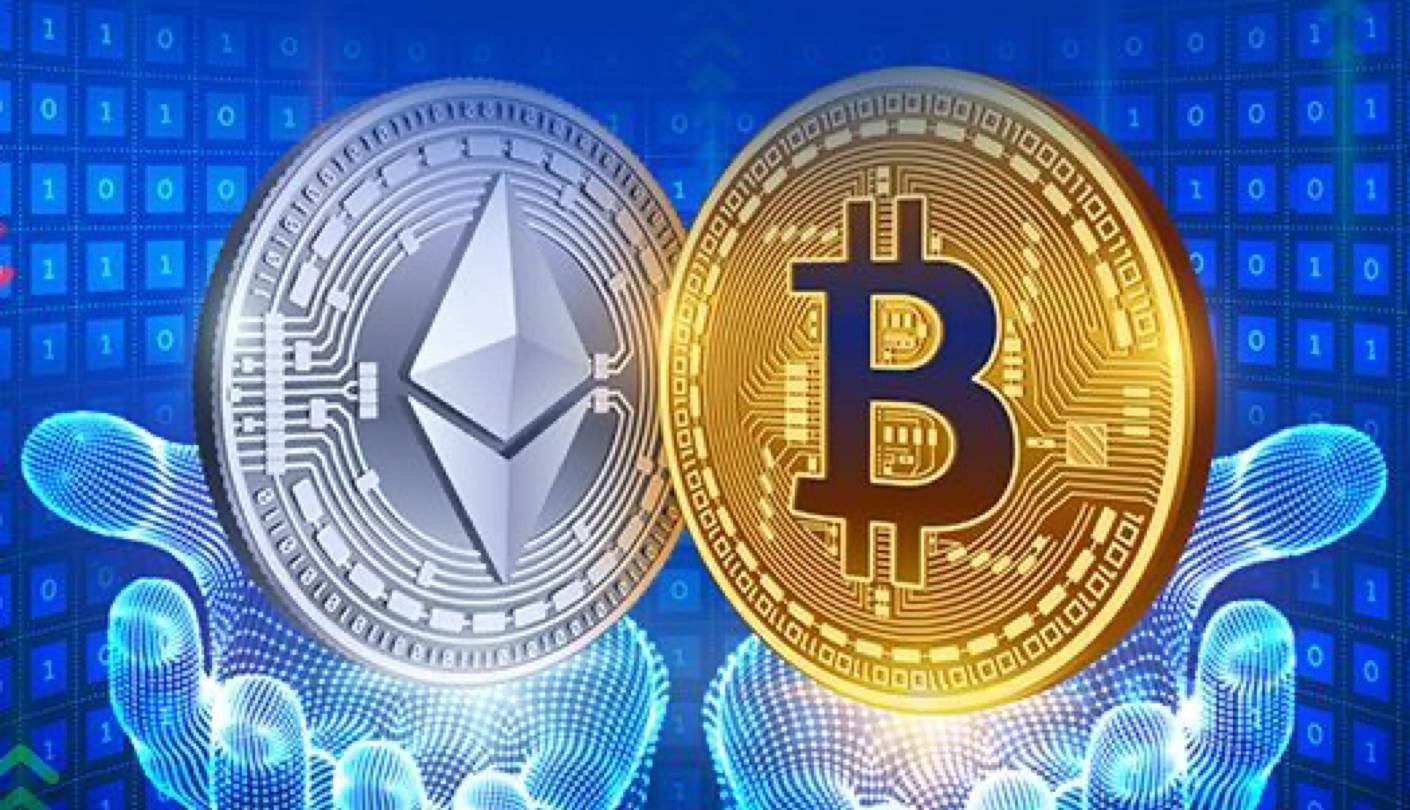
In 2025, the world of virtual currencies remains vibrant and diverse. Along with well-known cryptocurrencies like Bitcoin and Ethereum, there are also many popular coins such as Dogecoin, PEPE Coin, and Trump Coin. Each virtual currency has its own characteristics and applications. Some focus on payments and transfers, others emphasize community building and entertainment, while others focus on decentralized finance (DeFi). Understanding the latest rankings and trends can help investors seize potential opportunities while avoiding risks. This is the first step into the crypto market.

I. What are virtual currencies?
1) What is Bitcoin?
Simply put, Bitcoin is a form of money, a new type of currency.
Many people may wonder if only governments can issue currency, making it legal tender and usable in transactions. But isn’t Bitcoin challenging the authority of governments? Even if it isn’t a scam, it might still be banned by the government. Don’t jump to conclusions too quickly. Understanding how Bitcoin works might change your perspective.
2) How does Bitcoin work?
To make it easier for you to understand how virtual currencies like Bitcoin function compared to traditional banks, let’s look at some examples:
In fact, a bank operates as a centralized ledger, with all data stored in the bank’s central database.
For example, suppose Ah Q transfers $5,000 to Bob through a bank. At this point, Bob’s account balance would be $10,000, while Ah Q’s account balance would be $2,000. The transfer process would work like this:
① Bill submits a transfer request to the bank account;
② The bank verifies Bill’s identity using the account number and password, and checks whether the account balance is sufficient;
③ After the verification is successful, a transfer record is created in the system: Bill’s account transfers 5,000 yuan to Ah Q’s account. The balance on Bill’s account is then updated to 10,000 – 5,000 = 5,000 yuan, while Ah Q’s account balance becomes 2,000 + 5,000 = 7,000 yuan.
In essence, the entire transfer process involves the bank adding a transfer record to its ledger and adjusting the balances of both parties. Since banks have absolute control over these ledger entries and their modifications, this is considered a centralized ledger system.
Bitcoin operates similarly to banks, but the difference is that Bitcoin lacks a central authority. Instead, it is controlled by all participants in the Bitcoin network—that is, computers running Bitcoin clients, also known as nodes.
Using the same example as before, if Ah Q transfers 1 Bitcoin to Bill, the process goes like this:
① Ah Q broadcasts the transfer request to nearby nodes: Ah Q’s account transfers 1 Bitcoin to Bill’s account, and the transfer is signed with Ah Q’s private key (the private key serves as proof that Ah Q has the authority to access the funds in that account, similar to a bank password).
② The nearby nodes first verify Ah Q’s “identity” (by checking the authenticity of the signature using Ah Q’s public key), and then confirm that Ah Q’s account balance is sufficient.
③ After the inspection is completed, each node records the following in its ledger: “Aqiang transferred 1 Bitcoin to Biao’s account.” Additionally, the balances of both Aqiang and Biao’s accounts are updated accordingly.
④ The nodes broadcast this transaction to all surrounding nodes. This process continues until every node has received this transaction.
So, Bitcoin is essentially a kind of ledger, known as a blockchain. Unlike traditional banks, Bitcoin’s ledger is public and transparent. Any node can modify or verify the ledger. Of course, modifying the ledger isn’t easy; a node must gain the approval of most nodes in the network before the changes can be reflected in the public ledger.
3) How are virtual currencies issued? Take Bitcoin as an example.
A country’s legal currency is issued by its central bank. But since virtual currencies don’t have a central authority like central banks, how are they issued and how can they be withdrawn?
As mentioned earlier, Bitcoin operates as a decentralized ledger. Since it’s a ledger, it requires someone to keep track of transactions. Those who keep track of transactions won’t work for free. To do so, they need to receive payment in Bitcoin.
This is how Bitcoin is issued: new Bitcoins are created by rewarding nodes that diligently keep track of transactions. These nodes are what we call “miners”.
However, although every node can verify the authenticity of transactions, not every node is capable of “bookkeeping”. This power to bookkeep requires competition, which involves complex mathematical calculations and randomly generated numbers that meet certain conditions. This is why Bitcoin mining requires increasingly powerful computing capabilities and consumes more power.
4) Is virtual currency valuable? Take Bitcoin as an example.
A country’s legal currency is issued by its central bank and has government endorsement, so we naturally recognize its value. But Bitcoin is merely something created by a program. How then can its value be measured?
Speaking of this, we must discuss the nature of money. The essence of money is credit; for example, fiat currency is backed by government credit. As long as people believe that something has monetary value, agree on it, and are willing to use that thing for transactions, then that thing becomes a form of currency. However, Bitcoin is only recognized within the Bitcoin community, not by the entire society, and it lacks legal backing. From this perspective, Bitcoin currently does not have the same social status as fiat currency.
II. What are the advantages and disadvantages of virtual currency?
Virtual currency has attracted not only IT professionals but also became a favorite among investors. Let’s take a look at the advantages and disadvantages of virtual currency, and understand why investors are drawn to it. Then you can decide whether to continue hesitating or to enter the market now.
Disadvantages:
⭕ If lost, it cannot be restored.
It’s difficult to remember the passwords for virtual currencies. If they are lost, they cannot be recovered.
⭕ It’s impossible to track cryptocurrency transactions.
Cryptocurrencies use a decentralized network, which makes it possible for criminals to use them for money laundering. This is one of the reasons why cryptocurrencies are widely controversial internationally.
⭕ Cryptocurrency prices fluctuate greatly, and the investment risk is high.
Nowadays, many people view virtual currencies as an investment asset. Like stocks, the price of virtual currencies is highly influenced by market sentiment, making them risky investments with significant price volatility.
Advantages:
✔️ Simple and transparent trading process.
Many cryptocurrencies, such as Bitcoin, operate on a blockchain based on memory blocks. Traders can view all transactions on this blockchain, and the transaction data cannot be altered.
✔️ Secure transactions.
All transactions occur under anonymous identities, making it easy to detect any fraudulent or theft-related activities.
✔️ Helps prevent inflation.
When a government issues more currency, inflation may occur. However, the total amount of virtual currencies is constant. For example, Bitcoin has a limit of 21 million units that can be mined. It isn’t controlled by central authorities, so no one can increase its supply, thereby avoiding currency devaluation caused by excessive issuance.
III. Top five virtual currencies by market value in 2025
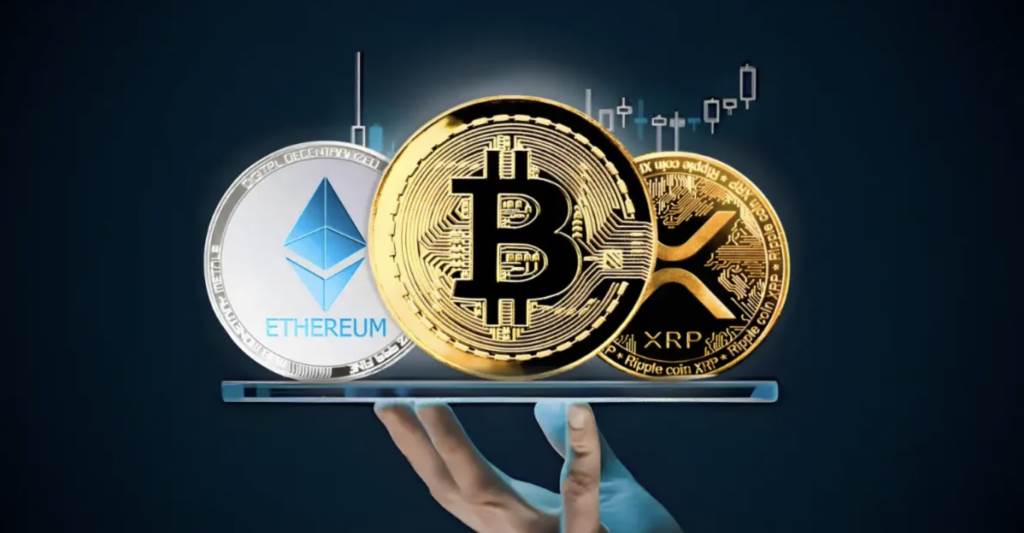
We have discussed many basic concepts related to virtual currencies. I believe now everyone has a clearer understanding of these currencies. Below is a list of the top five most valuable cryptocurrencies as of 2025. You can decide which currency to trade based on your own judgment.
First place: Bitcoin – Market value: $186.8 billion
Bitcoin is the cornerstone of the cryptocurrency world and also the most popular cryptocurrency. It was created in 2008, making it the first cryptocurrency in history. The identity of its creator remains unknown; we only know that his/her pseudonym is Satoshi Nakamoto.
Bitcoin is a digital currency based on distributed ledger technology (blockchain). Its most prominent feature is decentralization. If you want to pay a friend with 1 BTC, both parties can conduct the transaction directly, without involving any middlemen.
As the oldest cryptocurrency, Bitcoin has the largest community of developers and investors. There are numerous places and methods for trading Bitcoin, such as many top exchanges and wallets that support Bitcoin transactions. Currently, Bitcoin is becoming more and more accepted in mainstream economies. Well-known companies like Bloomberg, Microsoft, Overstock.com, Expedia.com, and many others have begun accepting BTC payments.
Advantages:
✔️ Bitcoin has high prestige.
✔️ Bitcoin is widely available; anyone with an internet connection can use it.
✔️比特币支付无佣金,可匿名。使用比特币支付可避开中介机构和银行,无需实名也无需产生服务银行账号的费用和佣金
✔️比特币没有通货膨胀一说,他是属于通货紧缩的
缺点:
⭕交易速度非常慢,比特币交易时长约10分钟
⭕比特币挖矿需要算力配置高,需要消耗的电力大
⭕比特币的交易费用也相对较高
第二名:以太币-Ethereum-市值217亿美元
以太币继比特币之后,市值排名第二的加密货币,也是比特币的最大竞争对手。由VitalikButerin于2015年创立。以太币实际上不仅仅是一种匿名交易的开源数字货币。以太币拥有自己的内存块链平台-以太坊,不同于比特币的内存块链,以太坊有一种为“智能合约”的关键技术,它不仅仅是追踪交易,而是会用程序指令自行制造交易。同时以太币是以太坊内存块链上所有交易的本地加密货币。
智能合约这种技术常被用于收付款。我们可以设想下,有了智能合约,钱就可以自己分配投资、花费等。智能合约不止能让你进行金钱交易,财产,股票或其他任何东西都可以被交易。并且交易不需要通过律师,公证人或其他服务商。完全去掉了中介,这也是为什么投资者会注意到它以及为什么以太币会被大家认为更加强大。
优点:
✔️以太坊拥有丰富的内存块链应用,如黄金和股票的数字化应用、金融衍生品应用、DNS和数字认证等等
✔️以太坊拥有可编程的内存块链,用户可根据自身需求创建更复杂的造作,为其他内存块链项目推出(ICO)提供了一个很好的平台
✔️以太币的交易速度为几秒钟,相对比特币来说要快很多
缺点:
⭕这与比特币使用的机制相同,像比特币一样,以太坊挖矿也需要大量的电力
⭕由于以太坊只支持一种编码语言- Solidity,很多矿工需要重新学习,这也会增加挖矿的难度
⭕以太币面临市场上的严峻竞争,比如NEO和Cardano也提供了类似的平台,但后面的二者技术更为先进
第三名:泰达币-Tether-市值147亿美元
泰达币(Tether)是一个基于区块链的稳定币,成立于2014年。它的核心理念是将法定货币(如美元)与数字货币挂钩,使其价值稳定在1:1的比例下。通过这种方式,用户可以在数字货币市场中享受稳定币的优势,同时避免价格波动带来的风险。
泰达币的显著特征是它的稳定性和流动性。在数字货币交易所中,Tether被广泛用作交易对,并且被许多用户用作将资金从波动性较大的加密货币转移到稳定状态的工具。
优点:
✔️由于与法定货币挂钩,Tether的价格波动非常小,用户可以更轻松地进行交易和投资决策
✔️用户可以轻松地在不同的交易所之间进行Tether的转移,快速完成交易
✔️虽然Tether是由中心化公司管理,但它通过区块链技术保障了交易的透明性和安全性
✔️Tether与多种法定货币一一对应,用户可以更好地进行合规性管理,尤其是在监管环境日益严格的情况下
缺点:
⭕尽管Tether声称每个发行的代币都有足够的法定货币担保,但其透明度曾受到质疑,用户对其储备情况存有疑虑
⭕随着监管对稳定币的关注不断增加,Tether的未来可能受到政策变化的影响
⭕ Although it is based on blockchain technology, trust in centralized issuing institutions remains a risk factor
. Fourth place: Ripple Coin - XRP, with a market value of $12.6 billion
. Ripple was established in 2012 and has focused on international payment transactions. The total supply of Ripple coins is 100 billion, of which 50 billion are reserved for use by the Ripple Labs. This differs from other cryptocurrencies, as most mainstream cryptocurrencies do not have large reserves of their own currency.
Advantages:
✔️ International transfers take about a week, while Ripple can complete transfers within seconds. Additionally, Ripple’s transaction fees are lower compared to those of international financial institutions and other cryptocurrencies.
✔️ Every field has its experts; Ripple clearly specializes in international payments. Its development team can also provide payment solutions tailored to specific industries.
✔️ Ripple has begun working with regulators, banks, and financial institutions. American Express and Santander already use Ripple’s services.
Disadvantages:
⭕ Decentralization is the core concept of cryptocurrencies, but Ripple has half of the total supply in its hands, which is considered too centralized. This is a major criticism.
⭕ Ripple targets financial institutions as its customers. However, these institutions are also developing their own virtual currencies, leading to a loss of potential customers and increased competition in the industry.
Fifth place: Binance Coin - BNB, with a market value of $8.4 billion
Binance Coin (BNB) is a native token launched by Binance, one of the world’s largest digital currency exchanges, in 2017. Initially, BNB was primarily used as a platform token on Binance’s exchange, allowing users to pay transaction fees using BNB and thus enjoying discounts.
Over time, the uses of BNB expanded, including participation in projects on the Binance chain, payment of transaction fees, and participation in dividends within the Binance ecosystem. Gradually, BNB became a multi-purpose digital asset.
**Advantages:**
✔️ Using BNB to pay transaction fees on Binance offers certain discounts, increasing its utility value.
✔️ As the Binance ecosystem continues to develop, the use cases for BNB are expanding, including payments for decentralized exchanges (DEXs).
✔️ As a token launched by the world’s largest exchange, BNB has relatively high liquidity in the market, making it easy for users to buy and sell.
✔️ BNB has a good reputation and support among Binance users, which has contributed to its popularity and usage.
**Disadvantages:**
⭕ Although BNB is somewhat influenced by decentralization, it still relies heavily on the performance of Binance’s exchange, posing a risk of centralization.
⭕ Like other cryptocurrencies, BNB also faces the risk of market price fluctuations, which could lead to losses for users’ assets.
⭕ The value of BNB is highly correlated with the success of the Binance platform. If the exchange encounters problems, the price of BNB could plummet.
五、投资虚拟货币注意事项
说到底,虚拟币的价值更多是一个认知问题,即便是上面说了那么多,即便是所有事实都摆在面前,仍然是有人认可、有人不认可,所以不必强求。如果你不认可虚拟币,就不要抱着投机的心态入市,如果你认可虚拟货币的价值,那么在交易过程中需要注意以下几点:
①优先入手优质虚拟币
这所谓股票有好股票和烂股票,虚拟币也是一样。而判断优质币可以从几个方面衡量:技术上有没有创新或改进、团队开发实力、应用场景潜质、投资人认可度等。
②炒币需理智,摆正心态
无论长短线投资,都需要保持理智的心态。因为即使长线,也总有回调机会的,很多人担心,万一被永远甩下车怎么办?怕什么?币市的币那么多,何必执着于一两个?所以不要相信别人给你画的饼,也不要相信自己给自己画的饼,少幻想。炒币需要信仰,却也需要理智。
③关注长期胜算
不要在乎一时的价格涨落,而是要关注长期胜算。利用历史数据,关注行业动态,推算期望收益,然后坚持下去
④切记要及时止损,做好风险管理
Those who are reluctant to cut their losses during a decline in virtual currency prices, and refuse to sell their positions, may face the risk of significant price drops. Cutting losses promptly is also important when investing in foreign exchange and stocks. Investors who buy virtual currencies during an uptrend should remember to focus on keeping their capital safe.
⑤ Cryptocurrency trading has become much more convenient with the advent of cryptocurrency contracts.
If you find the process of opening an account and trading on virtual currency exchanges cumbersome, or if you only consider cryptocurrencies as a investment asset, many CFD brokers now offer cryptocurrency products. These brokers allow traders to trade with a minimum lot size of 0.1 units, enabling both buying and selling operations. By opening an account on a CFD platform, traders can trade various virtual currencies and foreign exchange assets. For investors, this approach can greatly improve the efficiency of capital utilization. Choosing a CFD broker that operates in a compliant manner ensures the safety of your funds during transactions.