Exchange Ranking
 Top Exchanges
 24h Volume Ranking
 Popularity Ranking
 Exchange BTC Balance
 Proof of Reserves
 Decentralized Exchanges
 Funding Rate
 Funding Heatmap
 Liquidation Data
 Max Pain
 Long/Short Ratio
 Whale L/S Ratio
 Binance/Okex/Huobi L/S
 Bitfinex Margin L/S
 ETF Tracker
 Solana ETF
 XRP ETF
 Hong Kong ETF
 Bitcoin Treasuries
 Crypto Reversal
 Ethereum Reserves
 HyperLiquid Wallet Analysis
 Hyperliquid Whale Watch
 Large Transactions
 On-chain Movement
 Bitcoin ROI
 Stablecoin Market Cap
 Options Analysis
 News
 Articles
 Economic Calendar
 Features
 Wallet
 Contract Calculator


 Security
 Collections
 Watchlist
 Following
 BTC
Experts in hardware wallet security point out that ordinary users have difficulty identifying devices that have been tampered with.
Joe Grand, an expert in hardware wallet security, notes that ordinary cryptocurrency holders face significant challenges in detecting tampered hardware wallets. Grand has helped restore digital assets from compromised wallets, and is known for developing methods to bypass the security measures implemented by companies like Trezor and KeepKey.
Concerns about supply chain tampering have increased in the industry.
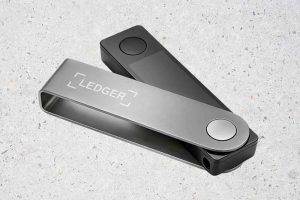
With reports of encrypted assets being lost due to Ledger wallets sold through CryptoBilis, concerns about the integrity of hardware wallets have further risen. CryptoBilis is an authorized distributor in Indonesia, Malaysia, and the Philippines. Ledger, a leading manufacturer of hardware wallets, confirmed that at least one of the affected devices contained unauthorized hardware implants.
According to Ledger, these implanted devices send users’ recovery phrases over cellular networks, thereby undermining the security model that hardware wallets are designed to protect against. Ledger’s devices are intended to keep private keys offline, thereby reducing the risk of exposure to online threats, which is a common issue with software wallets.
The high global demand for hardware wallets has expanded distribution channels, increasing the likelihood of supply chain attacks. Experts warn that since these devices go through multiple hands before reaching end-users, every link in the chain can become a vulnerability.
“It’s difficult to explain to people how they should check their devices. Even someone like me, who is a technician, won’t carefully inspect every device to ensure it hasn’t been tampered with,” explained Joe Grand. Mati Greenspan, a cryptocurrency analyst who has been active in the industry since 2013, expressed similar concerns. He pointed out that using hardware wallets introduces additional factors of trust, involving manufacturers and suppliers. He personally avoids using hardware wallets to avoid these additional variables.
Competitors in the industry also expressed similar concerns.
As a major competitor to Ledger and a provider of hardware wallets, Trezor claims that its wallets include authenticity verification features and only accept signed firmware. However, they also acknowledge that it’s difficult to completely prevent physical tampering. A spokesperson for Trezor said, “You can also check whether the packaging and hologram seals are intact, and look for any unusual markings on the device. But these checks alone cannot guarantee that the device hasn’t been modified.”
Trezor explains that the type of implants found in Ledger devices presents additional challenges, as they can extract data from the screen without changing the software. Trezor states that they haven’t detected such vulnerabilities in their products yet, but for preventive purposes, they have decided to limit the number of authorized distributors for their devices.
Nick Neuman, the CEO of Bitcoin security company Casa, emphasized that it is unrealistic to rely solely on hardware wallet manufacturers or dealers, as “you always need to trust intermediaries.” He suggested storing encrypted assets across multiple trusted providers.
Brief glossary: Casa is a Bitcoin security company based in the United States. They offer hardware and software solutions to help users protect their digital assets through multi-signature wallets and other security measures.
Design improvements and steps toward greater security
Joe Grand proposed several hardware design changes to reduce the likelihood of successful supply chain attacks. These measures include using transparent enclosures, allowing users to inspect internal components, and using tamper-proof packaging, requiring attackers to replicate the enclosure to hide any signs of modification.
Grand cited recommendations from electronic engineer Dave Jones regarding tamper resistance. He emphasized that while these design choices can deter attackers, they are not absolute guarantees against tampering. This researcher advocated for layered defenses among all participants in the hardware wallet ecosystem and maintaining vigilance.