Exchange Ranking
 Top Exchanges
 24h Volume Ranking
 Popularity Ranking
 Exchange BTC Balance
 Proof of Reserves
 Decentralized Exchanges
 Funding Rate
 Funding Heatmap
 Liquidation Data
 Max Pain
 Long/Short Ratio
 Whale L/S Ratio
 Binance/Okex/Huobi L/S
 Bitfinex Margin L/S
 ETF Tracker
 Solana ETF
 XRP ETF
 Hong Kong ETF
 Bitcoin Treasuries
 Crypto Reversal
 Ethereum Reserves
 HyperLiquid Wallet Analysis
 Hyperliquid Whale Watch
 Large Transactions
 On-chain Movement
 Bitcoin ROI
 Stablecoin Market Cap
 Options Analysis
 News
 Articles
 Economic Calendar
 Features
 Wallet
 Contract Calculator


 Security
 Collections
 Watchlist
 Following
Key Points
In September, the annual inflation rate in the United States accelerated to 3.7%.
The probability of the Federal Reserve raising interest rates in October increased to around 45%.
As bond yields rose, gasoline prices also increased significantly by 9.1%.
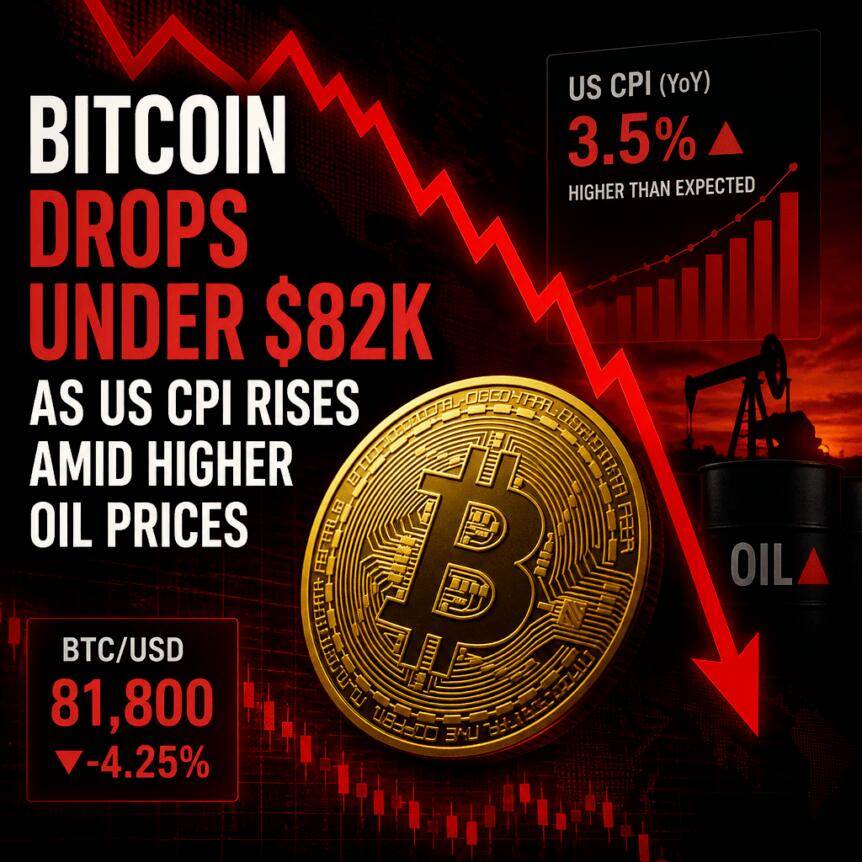
In September, the U.S. Consumer Price Index (CPI) rose by 3.7% year-on-year. The surge in gasoline prices contributed to an accelerating inflation trend.
The annual growth rate of the CPI in September accelerated to 3.7%, exceeding expectations from Wall Street investors. This trend increased the likelihood of the Fed raising interest rates again before the end of October. According to data from the U.S. Bureau of Labor Statistics, the CPI increased by 0.6% compared to August, while the annual inflation rate rose from 3.4% to 3.7%. Economists previously expected the annual inflation rate to be around 3.6%. These figures represent a new challenge for policymakers who are trying to curb rising prices.
Financial markets responded quickly to this situation. According to interest rate futures data cited by Reuters, traders now estimate the probability of the Fed raising interest rates during its meeting on October 27-28 to 45%, up from around 22% before the report was released.
Rising energy costs were the main factor behind the acceleration in inflation in September. Energy costs accounted for more than half of the increase in consumer prices. Gasoline prices rose by 9.1% in September, which is 34.2% higher than last year. The broader energy index increased by 5.2% in September, with an annual growth rate of 20.4%. This reflects the impact of high crude oil prices and supply disruptions in the Middle East.
However, inflationary pressures aren’t limited to the energy sector. The core CPI, excluding food and energy, rose from 2.4% in August to 2.6% in September, a month-on-month increase of 0.3%. This increase reversed the trend seen in August, when core inflation seemed to slow down despite rising fuel prices. Additionally, housing costs also increased by 0.4% in September. Rising prices of airline tickets, used cars, medical services, and education further exacerbated inflationary pressures. Bond yields rose, and expectations of interest rate hikes by the Federal Reserve almost doubled. The high CPI figures led to a rapid re-evaluation of Fed policies. Investors are increasingly questioning whether policymakers have the ability to keep interest rates stable. The yield on benchmark 10-year bonds climbed to around 5.29%, and yields on two-year bonds also increased. Markets began pricing in the possibility of more stringent monetary policy. Higher yields make borrowing more expensive and may put pressure on stock valuations, especially those tech stocks that focus on growth. This reaction continued the trend of bond sales caused by high energy costs and renewed inflation concerns. The dollar strengthened after the data was released, while stock index futures weakened as investors adjusted their interest rate expectations. What does the CPI report mean for future Fed decisions? Before the Fed’s meeting on October 27-28, it faces difficult policy choices. Raising interest rates can help curb inflation, but further tightening monetary policy will also increase the cost of financing for households and businesses.Another complex factor is that the Fed’s official inflation target of 2% is based on the Personal Consumption Expenditures (PCE) price index, rather than the CPI. Nevertheless, the latest consumer price data still serve as an important early warning of ongoing price pressures. The difference between CPI and PCE is significant because their calculation methods differ, which can lead to different inflation readings.