Exchange Ranking
 Top Exchanges
 24h Volume Ranking
 Popularity Ranking
 Exchange BTC Balance
 Proof of Reserves
 Decentralized Exchanges
 Funding Rate
 Funding Heatmap
 Liquidation Data
 Max Pain
 Long/Short Ratio
 Whale L/S Ratio
 Binance/Okex/Huobi L/S
 Bitfinex Margin L/S
 ETF Tracker
 Solana ETF
 XRP ETF
 Hong Kong ETF
 Bitcoin Treasuries
 Crypto Reversal
 Ethereum Reserves
 HyperLiquid Wallet Analysis
 Hyperliquid Whale Watch
 Large Transactions
 On-chain Movement
 Bitcoin ROI
 Stablecoin Market Cap
 Options Analysis
 News
News Articles
 Economic Calendar
 Features
 Wallet
 Contract Calculator


 Security
 Collections
 Watchlist
 Following
 BTC
BTC Core Points
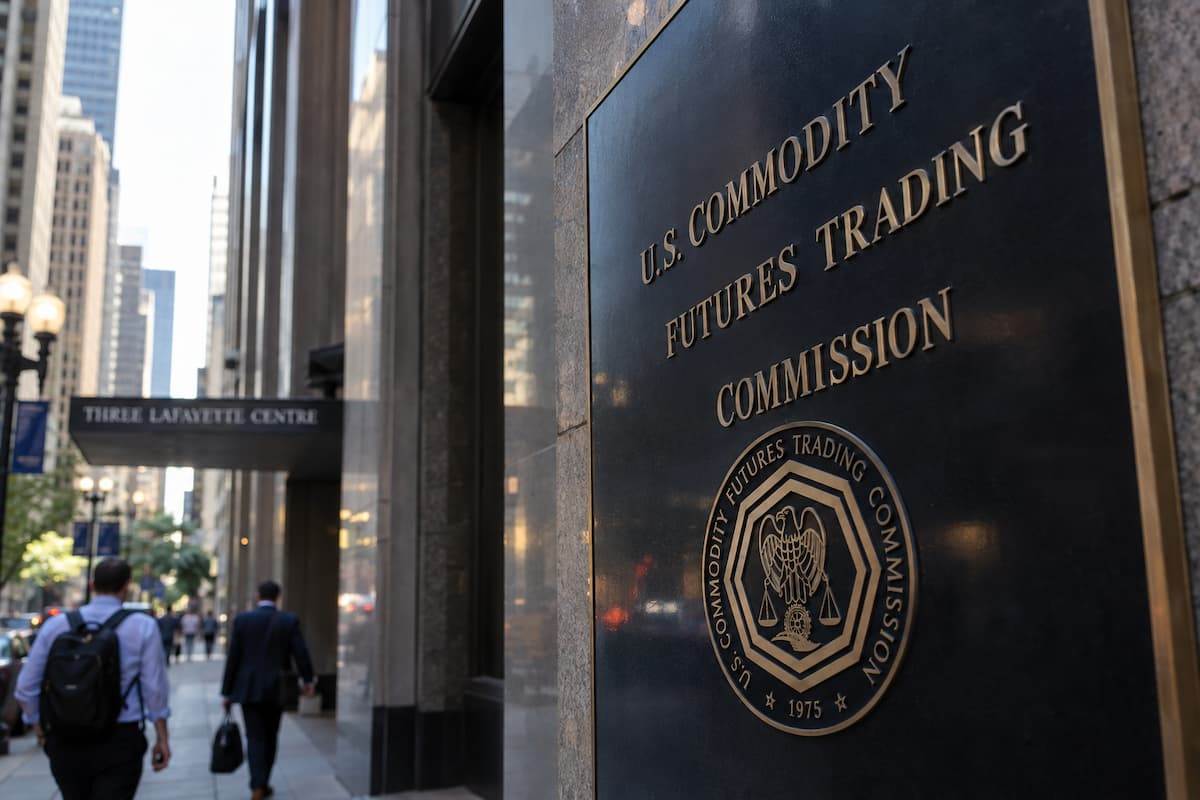
Kalshi has submitted an application with the Commodity Futures Trading Commission (CFTC) to list 60 stock perpetual contracts, including Tesla, Nvidia and Apple. Previously, the CFTC had approved Kalshi's Bitcoin perpetual contract.
Perpetual contracts can be traded 24/7 and have no expiration date. This structure is directly borrowed from cryptocurrency exchanges.
Why a "perpetual contract" is a product built on a crypto exchange rather than traditional finance
A perpetual contract is a derivative contract with no settlement date. It anchors targeted asset prices through regular funding rate payments between long and short positions, thereby avoiding the century-old practice of traditional futures contracts relying on expiration dates and month-exchange mechanisms. The reason why this structure is popular on cryptocurrency exchanges is that the cryptocurrency market is traded around the clock and has no closed time, so a contract that never expires and does not need to be exchanged for a month on Sunday night naturally fits this type of asset.
Kalshi describes the same funding rate mechanism familiar to crypto traders in his explanation of perpetual contracts. Introducing this structure to individual stocks such as Tesla and Nvidia means retail traders can gain continued leverage exposure to individual stocks while stock exchanges are closed. Existing options and futures markets do not provide such services in the same form. The real product innovation lies in this "all-weather, no-maturity" structural packaging, rather than the leverage itself, because investors can already obtain leveraged stock exposure through options and margin accounts. This is a new shape that the U.S. stock market has never seen before.
The approval basis Kalshi is relying on
This application is not Kalshi's first step into a perpetual contract. The CFTC's approval of the Kalshi BTC perpetual contract established a regulatory template, and the exchange is currently trying to expand the template to 60 individual stocks at a time. The core question facing regulators is: Can the logic that previously allowed Bitcoin perpetual contracts apply equally clearly to Tesla and Nvidia? Due to differences in regulatory history and investor protection assumptions between equity-related derivatives and crypto-related derivatives, this question needs to be answered urgently.
If approved, this will be one of the largest simultaneous expansion of sustainable products into traditional stock markets, and will also test how far regulators are willing to advance when the underlying asset is changed from token to stock.