Exchange Ranking
 Top Exchanges
 24h Volume Ranking
 Popularity Ranking
 Exchange BTC Balance
 Proof of Reserves
 Decentralized Exchanges
 Funding Rate
 Funding Heatmap
 Liquidation Data
 Max Pain
 Long/Short Ratio
 Whale L/S Ratio
 Binance/Okex/Huobi L/S
 Bitfinex Margin L/S
 ETF Tracker
 Solana ETF
 XRP ETF
 Hong Kong ETF
 Bitcoin Treasuries
 Crypto Reversal
 Ethereum Reserves
 HyperLiquid Wallet Analysis
 Hyperliquid Whale Watch
 Large Transactions
 On-chain Movement
 Bitcoin ROI
 Stablecoin Market Cap
 Options Analysis
 News
 Articles
 Economic Calendar
 Features
 Wallet
 Contract Calculator


 Security
 Collections
 Watchlist
 Following
 ETH
The failure of CLARITY Act is seen as an opportunity for DeFi
As a crypto market structure bill proposed by the 119th Congress, H.R. The failure of the 3633 CLARITY Act prompted a significant shift in industry stance. Crypto industry executives interpret the legislative setback as a window for decentralized finance (DeFi) to develop further without the constraints of a restrictive legal framework.
Why executives view the failure of the CLARITY Act as a breakthrough for DeFi
H.R. The 3633 CLARITY Act aims to resolve one of the most controversial issues in U.S. crypto regulation: whether digital assets are securities, commodities, or other categories. The bill's stagnation has left this definition open, and industry leaders believe that the lack of an established legal framework has created more room for operation for DeFi protocols, which are designed to avoid the centralized intermediary role the bill attempts to classify and regulate.
As previously reported, executives positioned the bill's failure as a time to consolidate on-the-chain activity rather than waiting for clear congressional guidance that may not appear until the end of the year. This positioning highlights the advantages of DeFi's permissionless architecture because it cleverly circumvents the definition of centralized participant that the CLARITY Act should have established.
Another analysis from Bitwise pointed out four types of crypto businesses that may benefit from the obstruction of the CLARITY Act. Among them, the DeFi protocol is considered one of the clearest beneficiaries because the bill's classification provisions mainly target custody and brokerage functions, which are exactly the links that the DeFi platform is structurally deliberately avoided.
Regulatory gaps accessible to DeFi
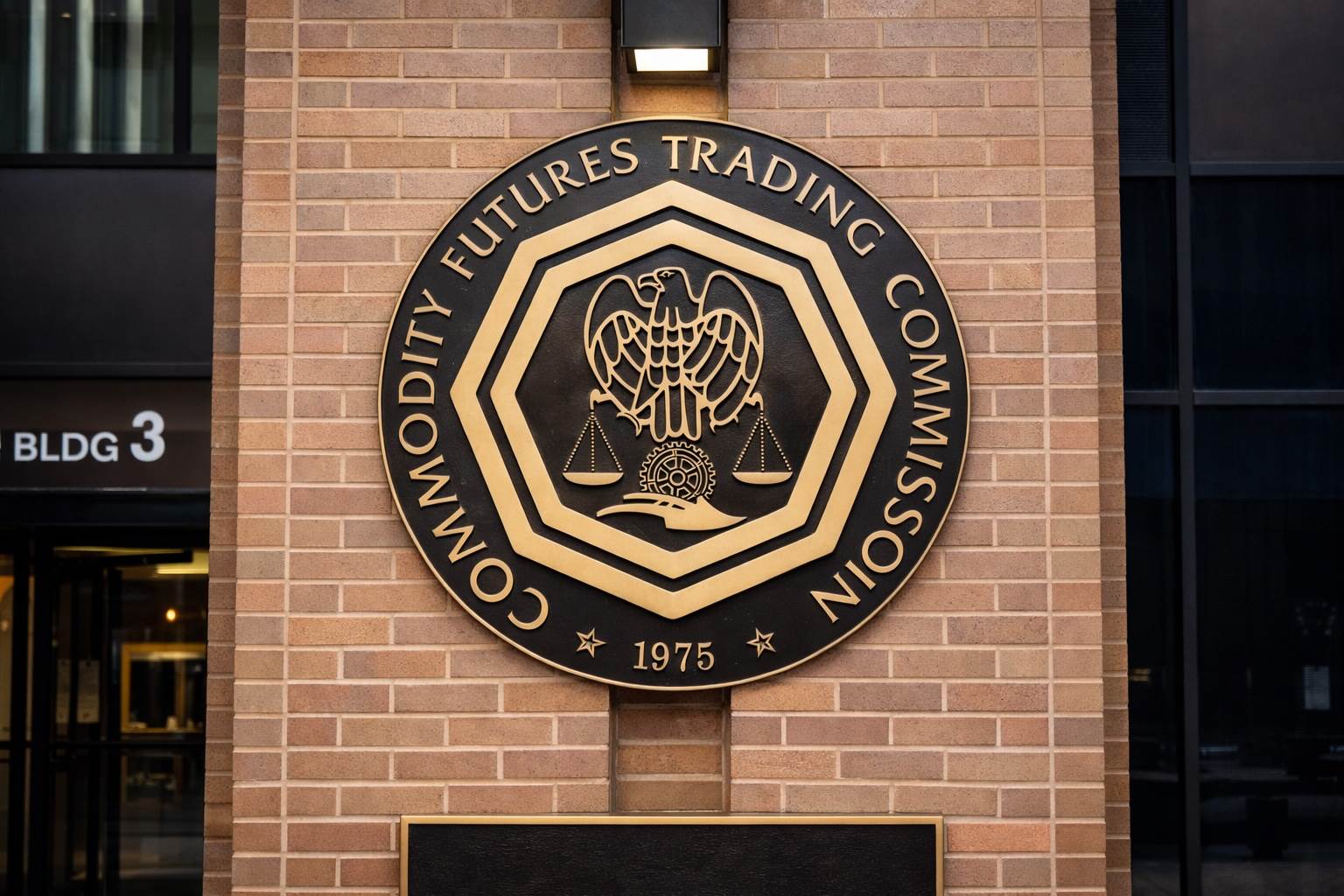
Because the CLARITY Act definitions are not written into law, the existing fragmented regulatory landscape of SEC enforcement guidelines and CFTC jurisdiction claims continues to function. Although this situation creates legal uncertainty, it also leads to the decentralization of law enforcement discretion. DeFi developers operating in this blank space are not legally exempt from existing rules; they live in an environment where which regulatory authority has authority remains controversial.
Key outstanding issues that the bill should have addressed include: Do protocol governance tokens constitute securities? Does the liquidity provider act as an unregistered broker or dealer? And which federal agency has primary jurisdiction over the spot crypto market? Each open issue represents a compliance decision point, and DeFi developers currently must address these challenges without statutory guidance, which creates both opportunities and accompanying enforcement risks.
This distinction is crucial: gaps in regulatory landscapes do not mean exemptions. Although Congress failed to pass new legislation, the SEC's enforcement powers have not disappeared under existing regulations. Executives who view legislative gaps as clearing the runway rather than unresolved risks are effectively betting that regulators will continue to exercise restraint. DeFi on Ethereum accounts for the largest share of the total lockup value (TVL) on all chains and is therefore most directly under the influence path of any subsequent enforcement gesture.
The impact of this shift on DeFi development and capital
For DeFi developers, the practical impact is that the product development cycle can continue within the current interpretation framework without having to wait for legal certainty to pause. Agreements that would otherwise have restructured businesses under the CLARITY Act could delay the work, but at the expense of continued exposure to the risk of enforcement action under existing securities laws, if regulators choose to take action.
DeFi's capital formation largely depends on the legal clarity of institutional participants, who face independent compliance obligations independent of the conduct of the agreement itself. The failure of the CLARITY Act has put agencies involved in DeFi in a state described by executives as "conditional", with deployment decisions based on enforcement signals rather than statutory texts. Monitoring relevant regulatory developments, including litigation over crypto trust licenses, will help market participants assess whether the overall enforcement posture is tightened or relaxed in the absence of legislation.
How businesses respond to this legislative setback
Industry associations that have mobilized political support for candidates with positions consistent with the CLARITY Act face a strategic reset, and future lobbying activities may target both the revised bill and executive branch interactions. The 32 House candidates previously identified by the Crypto Political Action Committee represent potential coalitions for any subsequent legislation, but the timetable for reintroduction depends on congressional calendar dynamics and has not been confirmed as of the release of this report.
On the product side, the executives that imply failure are an implicit commitment to continue development despite current legal ambiguity, a position that requires strong legal counsel support and jurisdiction-by-jurisdiction compliance reviews rather than relying on a single federal framework. The next specific signal to watch for is whether the SEC or CFTC will use the legislative vacuum to assert broader jurisdiction through enforcement action or formal rulemaking, both of which will redefine the contours of the "opening" that executives currently see.
FAQs: The failure of the CLARITY Act and DeFi
What does the failure of the CLARITY Act mean for DeFi?
Without the statutory classification of the CLARITY Act, the DeFi protocol continues to operate under existing securities and commodities laws, and the failure of the Act creates no new obligations or exemptions. The practical effect is that legal uncertainty persists, with some executives interpreting it as freedom of construction and others viewing it as an unresolved compliance risk.
Does failure make DeFi legal or exempt from regulation?
No. The existing regulatory framework remains fully effective. The SEC reserves the authority to take enforcement action under the Securities Act and the Exchange Act, and the CFTC retains jurisdiction over derivatives and spot commodity markets. The failure of the CLARITY Act removed a potential compliance framework, but did not remove existing regulatory powers.
What should cryptocurrency users and businesses focus on next?
The most influential signals in the near future include: SEC enforcement actions against the DeFi protocol, any CFTC rulemaking on spot encryption jurisdiction, and whether Congress will schedule a crackdown on H.R. before the end of the current session. 3633 Successor's hearing. A new round of legislative push, or high-profile enforcement actions on the main DeFi protocol, will materially change the favorable risk calculations executives are currently citing.