Exchange Ranking
 Top Exchanges
 24h Volume Ranking
 Popularity Ranking
 Exchange BTC Balance
 Proof of Reserves
 Decentralized Exchanges
 Funding Rate
 Funding Heatmap
 Liquidation Data
 Max Pain
 Long/Short Ratio
 Whale L/S Ratio
 Binance/Okex/Huobi L/S
 Bitfinex Margin L/S
 ETF Tracker
 Solana ETF
 XRP ETF
 Hong Kong ETF
 Bitcoin Treasuries
 Crypto Reversal
 Ethereum Reserves
 HyperLiquid Wallet Analysis
 Hyperliquid Whale Watch
 Large Transactions
 On-chain Movement
 Bitcoin ROI
 Stablecoin Market Cap
 Options Analysis
 News
News Articles
 Economic Calendar
 Features
 Wallet
 Contract Calculator


 Security
 Collections
 Watchlist
 Following
India launches "Demat 2.0" pilot infrastructure: a new era of corporate bond tokenization
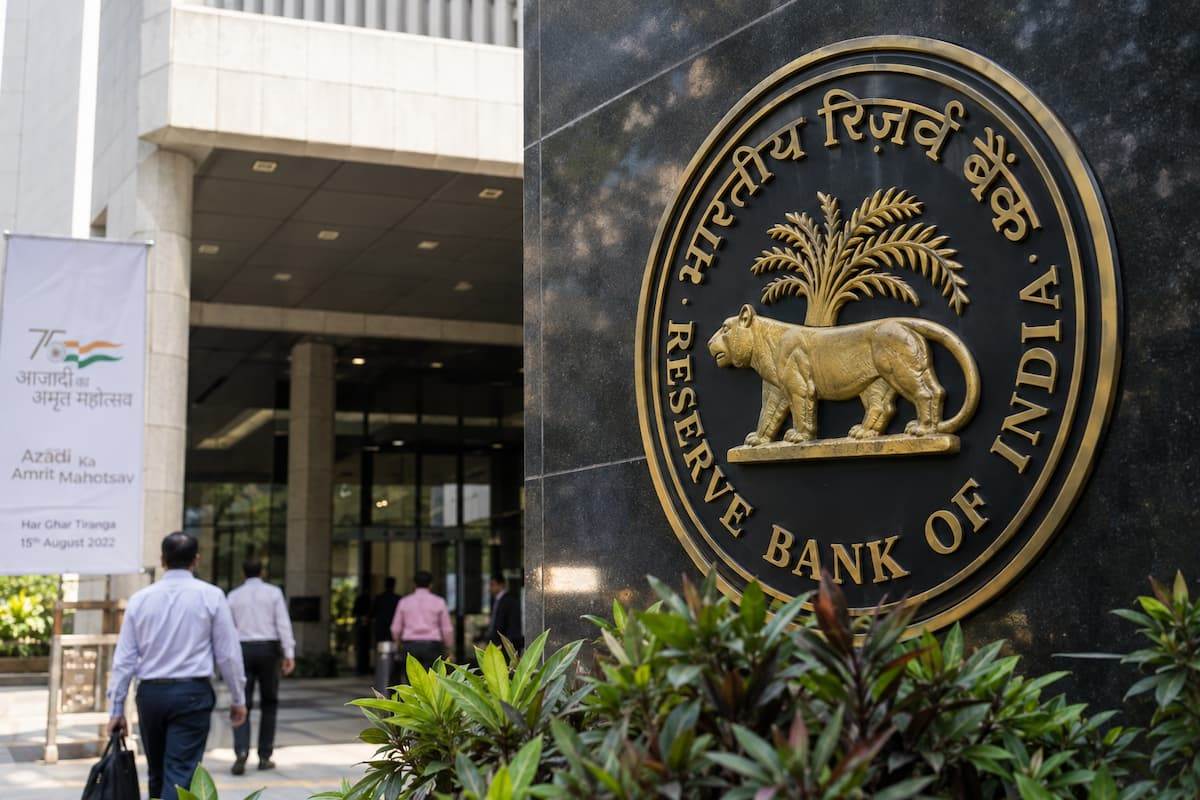
The Securities and Exchange Commission of India (SEBI) and the Reserve Bank of India (RBI) have jointly launched a pilot infrastructure called "Demat 2.0", which aims to enable the issuance, holding, trading and settlement of corporate bonds as digital tokens. Unlike many tokenization experiments that have traditionally been built on stand-alone blockchain platforms, this model is directly integrated into India's existing regulated securities markets.
US$116 million in tokenization continues to expand
This innovative path in India allows corporate bonds to be natively created on distributed ledgers maintained by corporate market infrastructure agencies, with ownership records kept by the country's statutory depository. According to relevant instructions, the system is connected to the Reserve Bank of India's wholesale digital rupee through a unified market interface, thereby ensuring that securities and cash can be settled simultaneously during the transaction process.
This so-called "Atomic Delivery-versus-Payment" model completely eliminates the risk of time lag in traditional transactions where one party transfers assets and has to wait for the other party to complete payment. An official statement pointed out that three companies have issued shares with a total value of Rs 1.025 billion.(approximately US$116 million) of tokenized bonds:
- REC Limited took the lead and became the first issuer on September 7, raising Rs 500 million from 18 investors;
- Larsen & Toubro followed closely, also raising Rs 500 million from four investors;
- IIFL Financial Services Limited raised Rs 250 million from a single investor on September 9.
SEBI stated that issuers can receive funds on the day of bidding, compared to two to three days for traditional processes. Secondary market investors can also gain immediate benefits. In addition, smart contracts can automatically transfer coupons and redemption monies directly into investors 'central bank digital currency (CBDC) wallets. At the same time, investors do not need to build a new blockchain wallet infrastructure, only need to use existing depository accounts.
Beyond Bonds: Future Outlook and Implementation Path
The statement emphasized that despite the adoption of new technologies, tokenized bonds are completely consistent with traditional bonds in terms of legal attributes, and current rules such as credit rating, information disclosure, debt trustee and investor protection still apply. In view of the significant growth in the real-world asset (RWA) industry, Indian authorities announced that the promotion of their local system will be carried out in three phases:
- Phase 1 : Focus on the issuance of institutional corporate bonds;
- Phase 2 : Introduce secondary market transactions and expand openness to retail investors;
- Phase 3 : Attract more regulated entities to the network and explore the possibility of tokenization of other financial instruments.
The infrastructure remains private and licensed, with nodes initially operated by depositaries and stock exchanges. This is crucial because India's move is not an attempt to migrate securities markets to public blockchains, but rather aims to organically integrate distributed ledger technology (DLT)-based ownership, smart contracts and central bank currency within its existing financial system to achieve a more efficient and secure evolution of the financial ecosystem.