Exchange Ranking
 Top Exchanges
 24h Volume Ranking
 Popularity Ranking
 Exchange BTC Balance
 Proof of Reserves
 Decentralized Exchanges
 Funding Rate
 Funding Heatmap
 Liquidation Data
 Max Pain
 Long/Short Ratio
 Whale L/S Ratio
 Binance/Okex/Huobi L/S
 Bitfinex Margin L/S
 ETF Tracker
 Solana ETF
 XRP ETF
 Hong Kong ETF
 Bitcoin Treasuries
 Crypto Reversal
 Ethereum Reserves
 HyperLiquid Wallet Analysis
 Hyperliquid Whale Watch
 Large Transactions
 On-chain Movement
 Bitcoin ROI
 Stablecoin Market Cap
 Options Analysis
 News
News Articles
 Economic Calendar
 Features
 Wallet
 Contract Calculator


 Security
 Collections
 Watchlist
 Following
 ADA
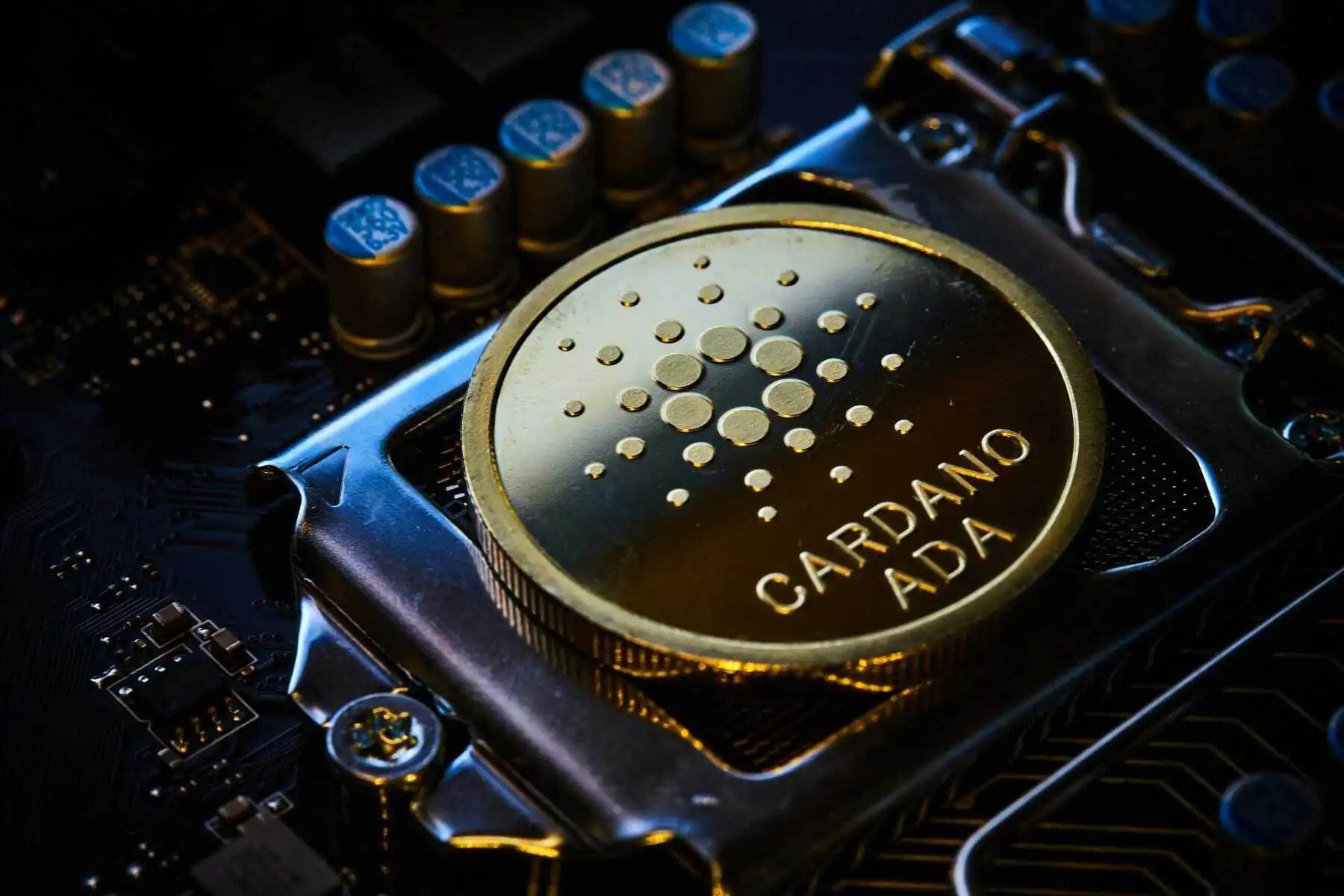
ADA Cardano is still far from all-time highs: It needs to rise 1,371% to return to $3.09
Although Cardano (ADA) has experienced multiple market cycles in the past few years, its price is still 93.19% lower than the all-time high of $3.09 set in 2021. This means that the ADA needs to achieve an increase of approximately 1,371.43% to regain its previous record. This large gap reflects weakening speculative demand, broader market uncertainty, and the challenges veteran cryptocurrencies face in rebuilding valuations from the previous cycle.
Technological evolution from Alonzo to Dijkstra era
According to CoinGecko's data, the ADA reached its all-time high exactly five years and eleven days ago, on September 2, 2021. This milestone follows Cardano's launch of the Alonzo upgrade, which introduces native smart contract capabilities through the Plutus platform. Alonzo launched online on September 12, 2021, marking a major achievement in the development phase of Cardano broker Goguen.
However, despite several rallies in subsequent market cycles, the ADA has never launched a recovery strong enough to challenge its record. Currently, the trading price of this cryptocurrency is close to $0.21.
With on-chain governance mechanisms in operation, Cardano is moving towards the "Dijkstra era", which will introduce more protocol and scalability improvements. In addition, ADA has joined the official x402 codebase through practical work, supporting blockchain-based digital payments across multiple network environments. Developers can access the x402 payment feature on the Cardano main network, pre-production environment, and preview testing network through official software packages available in various programming languages.
DeFi ecosystem expansion and throughput improvement goals
In terms of decentralized finance (DeFi), SundaeSwap plans to launch its v4 protocol on the Cardano main network on October 1 to expand decentralized transaction capabilities. The new protocol will have functions such as modular pools, automatic routing, centralized liquidity, multiple asset pools, custom vaults and support for some transactions. These characteristics are expected to improve capital efficiency and provide greater flexibility for traders and liquidity providers.
At the same time, Ouroboros Leios is also a core part of Cardano's expansion strategy. According to reports, the upgrade has reached 96% of the development progress required for the demonstration. The goal is to increase throughput to approximately 1,000 transactions per second while maintaining the security and decentralized features on which the Cardano Proof of Stake network relies. Developers expect to launch the upgrade on the main network in 2026, but the final deployment timeline will depend on the results of testing and technical verification.
Balancing technological breakthroughs and market value
Cardano's expanding infrastructure enhances its usefulness, but technological progress alone does not guarantee a proportional increase in ADA's market value. Continued demand, deeper liquidity, broader application scenarios and favorable market conditions remain necessary for any meaningful challenge to the $3.09 high. Cardano's historical peak remains a tough benchmark that clearly draws the line between the technological development of the network and the long-term price recovery of ADA.