Exchange Ranking
 Top Exchanges
 24h Volume Ranking
 Popularity Ranking
 Exchange BTC Balance
 Proof of Reserves
 Decentralized Exchanges
 Funding Rate
 Funding Heatmap
 Liquidation Data
 Max Pain
 Long/Short Ratio
 Whale L/S Ratio
 Binance/Okex/Huobi L/S
 Bitfinex Margin L/S
 ETF Tracker
 Solana ETF
 XRP ETF
 Hong Kong ETF
 Bitcoin Treasuries
 Crypto Reversal
 Ethereum Reserves
 HyperLiquid Wallet Analysis
 Hyperliquid Whale Watch
 Large Transactions
 On-chain Movement
 Bitcoin ROI
 Stablecoin Market Cap
 Options Analysis
 News
 Articles
 Economic Calendar
 Features
 Wallet
 Contract Calculator


 Security
 Collections
 Watchlist
 Following
巨头无上限:标普500指数为何对大型股依赖日益加深
在标准普尔500指数(S&P 500)中,一家公司可以变得极其庞大,而无需因“体量过大”被剔除。这是因为该指数采用自由流通市值加权的方式编制。公司规模越大,其在指数中的影响力就越高。即使某家公司的估值达到数万亿美元,也没有简单的规则强制降低其权重。
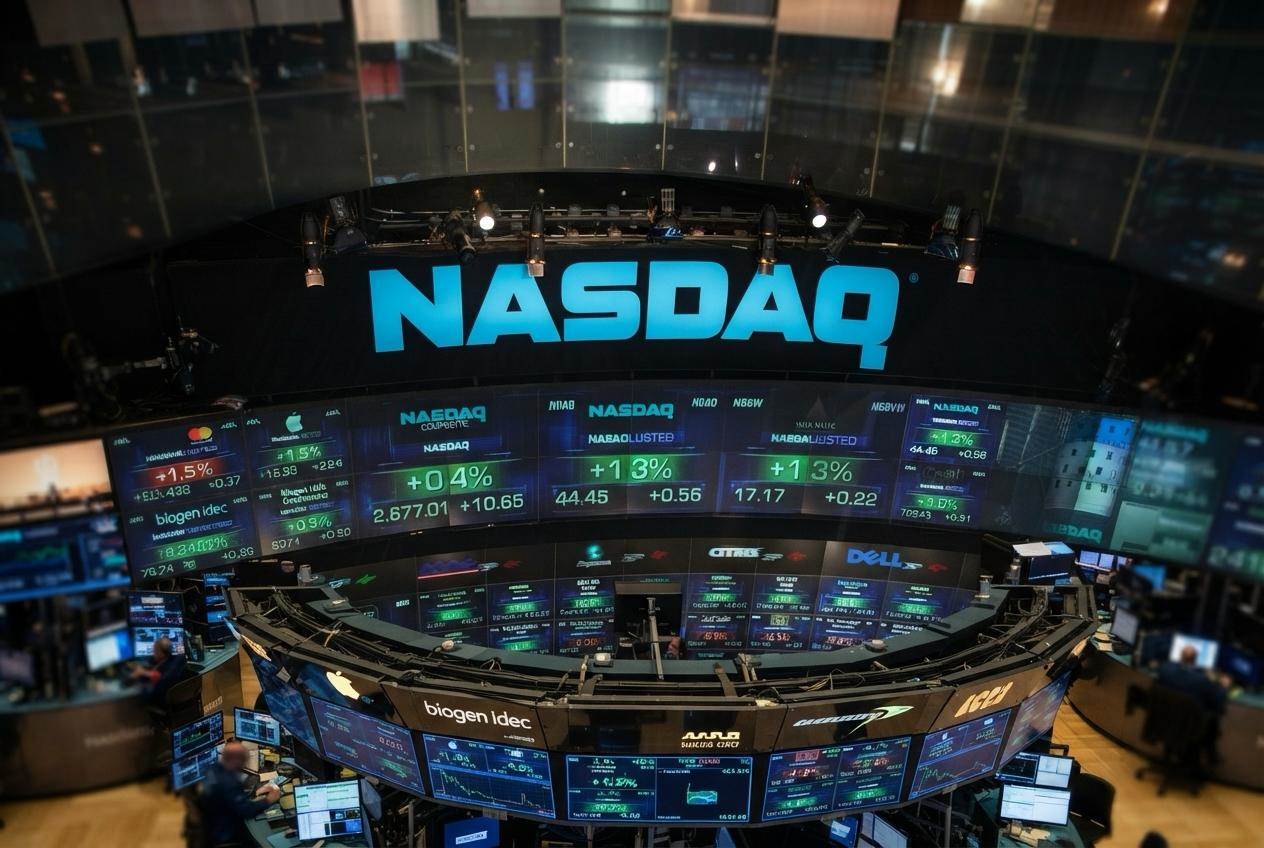
当少数几家公司的增长速度远超市场其余部分时,这种体系的重要性便凸显出来。截至2026年8月31日,标普500指数中最大的成分股约占指数的8.1%,而前十大成分股合计占比约为37.8%。这意味着,对于投资者而言,标普500指数的表现正日益像一个由少数几家超大型公司主导的投资组合。
为何大公司能更显著地推动指数走势?
标普500指数根据可公开交易股份的价值来确定每家公司的权重。假设一家公司占指数的8%,而另一家公司仅占0.2%。如果这两只股票都上涨10%,它们对指数的影响截然不同:
- 权重8.0% + 涨幅10% ≈ 指数影响+0.80%
- 权重5.0% + 涨幅10% ≈ 指数影响+0.50%
- 权重1.0% + 涨幅10% ≈ 指数影响+0.10%
- Weight 0.2% + Increase 10% ≈ Index impact +0.02%
As a result, the gains of individual ultra-large companies were enough to offset the declines of dozens of smaller components. This effect became particularly evident during the artificial intelligence (AI) boom. Large technology companies such as Nvidia, Microsoft, and Apple now account for a significant share of the benchmark index, and the impact of AI-related stocks on the performance of the entire index has also become extremely prominent.
Will the S & P 500 limit the weight of a single company?
In the standard S & P 500 index, does not impose restrictions. Standard & Poor's Dow Jones Indices does offer a separate restricted benchmark index, but the main index usually allows market value concentration to develop naturally. This means that as stock price and market value rise, a company's weight can continue to increase. Quarterly rebalancing does not automatically bring the most weighted companies back to equal weighting status.
Another option is the equal-weighted index , which contains basically the same companies as the S & P 500, but periodically resets each position to approximately the same size. Under this structure, Nvidia will not automatically gain dozens of times more influence than a small S & P 500 company due to its higher valuation. This makes the performance difference between the standard index and the equal-weight index an effective indicator of how much increase is driven by ultra-large stocks.
Concentration may conceal weakness in market breadth
A rise in the S & P 500 does not mean that most U.S. stocks are rising. If the top five or ten companies generate enough earnings, they can push the index higher even if hundreds of constituents fall. That's why investors should also focus on market breadth , the number of ups and downs data, and the proportion of companies trading above the 50-day or 200-day moving average.
This concentration can make the headline index look stronger than the underlying market. At the same time, it also creates greater downside sensitivity. When ultra-large stocks rise together, their huge weight amplifies returns; but if several large stocks fall simultaneously due to earnings falling short of expectations, slowing AI spending, or shrinking valuations, they could quickly pull the entire index lower.
Passive investment exacerbates this structure. Investors who buy the Standard & Poor's 500 ETF automatically put more money into the company with the largest market value. As a result, there is no moment in the S & P 500 when a company officially becomes "too big." Instead, as its weight grows, the benchmark index simply becomes more dependent on on what happens to the company .