Exchange Ranking
 Top Exchanges
 24h Volume Ranking
 Popularity Ranking
 Exchange BTC Balance
 Proof of Reserves
 Decentralized Exchanges
 Funding Rate
 Funding Heatmap
 Liquidation Data
 Max Pain
 Long/Short Ratio
 Whale L/S Ratio
 Binance/Okex/Huobi L/S
 Bitfinex Margin L/S
 ETF Tracker
 Solana ETF
 XRP ETF
 Hong Kong ETF
 Bitcoin Treasuries
 Crypto Reversal
 Ethereum Reserves
 HyperLiquid Wallet Analysis
 Hyperliquid Whale Watch
 Large Transactions
 On-chain Movement
 Bitcoin ROI
 Stablecoin Market Cap
 Options Analysis
 News
News Articles
 Economic Calendar
 Features
 Wallet
 Contract Calculator


 Security
 Collections
 Watchlist
 Following
 BTC
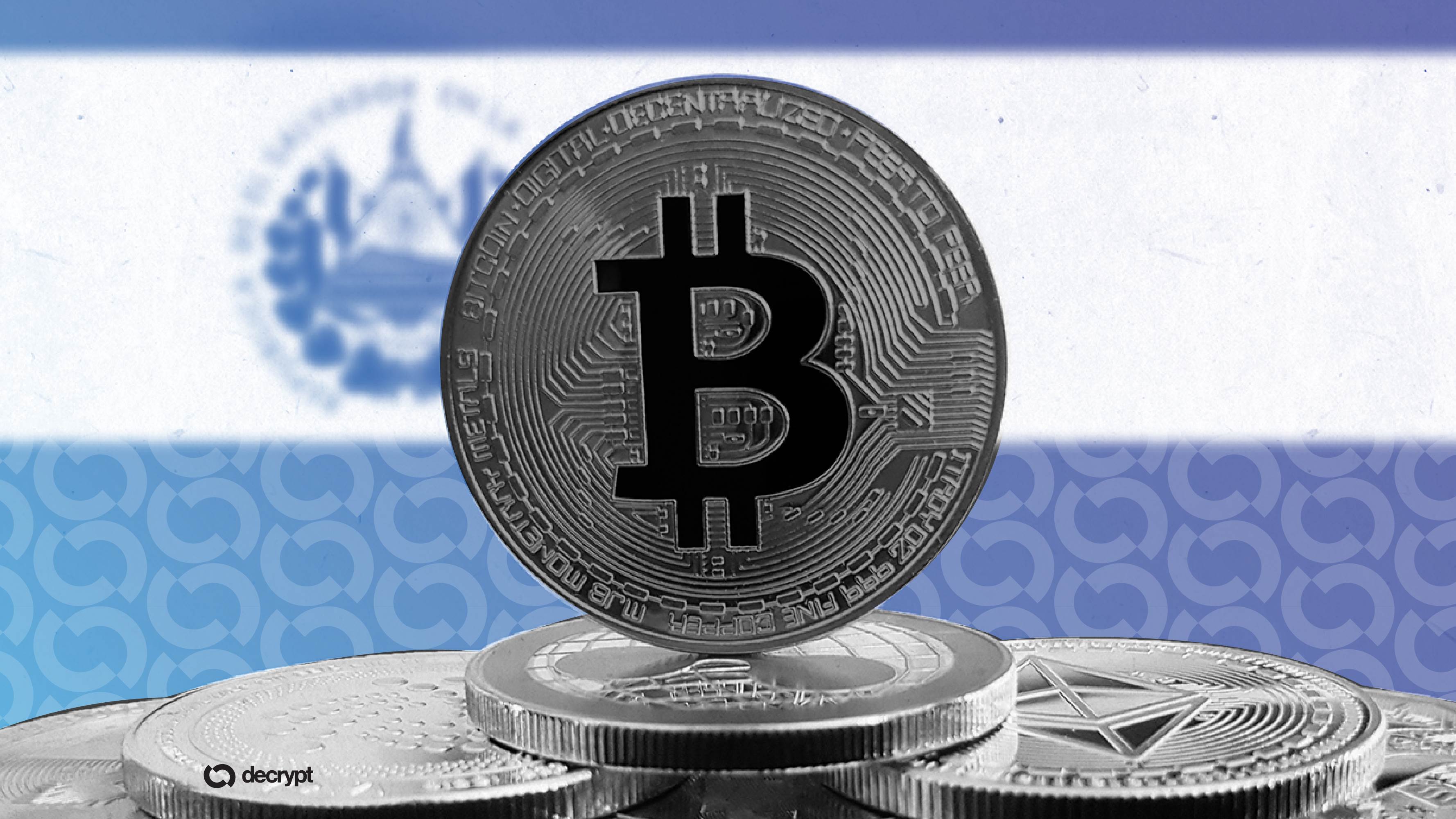
BTC International Monetary Fund: The increase in El Salvador's Bitcoin reserves stems from private donations
On Thursday, the International Monetary Fund (IMF) announced a staff-level agreement on the country's second and third joint plan reviews. The agency pointed out that since mid-2025, all new bitcoins in El Salvador's national reserves have come from private donations.
Documents provided by Salvadoran authorities confirmed that the accumulation since the first review "reflects the nature of private donations and the use of no public resources." The fund said it does not expect further increases in the future beyond the recorded donations.
This statement is different from the explanation given by the fund a year ago. In September 2025, an IMF communications official told Decrypt that the total amount of bitcoin owned by the government had not increased and that the growth of the El Salvador Strategic Bitcoin Reserve Fund was only due to the transfer of funds between state-controlled wallets.
Conflict between reserve data and official accounts
According to data from the Bitcoin Office of El Salvador, the reserve held 5,968 bitcoins when the project was launched in December 2024, and has now increased to 7,764. President Neib Bukele's government has always insisted that it purchases one Bitcoin per day, and announced in November last year that it had purchased 1,090 bitcoins for approximately $100 million.
Just last week, the Bitcoin Office still tweeted that El Salvador "just bought more Bitcoin," attaching a treasury chart showing that 31 coins have been added in the past 30 days, which contradicts the IMF's statement.
In addition, most ownership and operational control of the national wallet Chivo, launched along with the Bitcoin Act of 2021, has been transferred to an unnamed private operator. El Salvador still retains a minority stake and is responsible for ensuring the safety of client assets.
Loan Release and Reform Requirements
This review will release approximately US$140 million (or US$101.96 million in special drawing rights) once the executive board approves and completes the agreed preliminary actions. The funding is part of a 40-month, US$1.4 billion expanded financing facility approved in February 2025. The clause requires the country to make it voluntary for merchants to accept bitcoin, tax it in U.S. dollars, and stop public sector purchases.
Staff also reached consensus on modernizing digital asset regulation and strengthening governance and risk management of public sector crypto asset holdings.
The fund predicts economic growth to reach 4.5% this year, driven by investment, remittances and tourism, and hopes to reduce public debt to about 80% of GDP by 2030.
The IMF did not disclose who provided the bitcoins to El Salvador and how much each donor donated.