Exchange Ranking
 Top Exchanges
 24h Volume Ranking
 Popularity Ranking
 Exchange BTC Balance
 Proof of Reserves
 Decentralized Exchanges
 Funding Rate
 Funding Heatmap
 Liquidation Data
 Max Pain
 Long/Short Ratio
 Whale L/S Ratio
 Binance/Okex/Huobi L/S
 Bitfinex Margin L/S
 ETF Tracker
 Solana ETF
 XRP ETF
 Hong Kong ETF
 Bitcoin Treasuries
 Crypto Reversal
 Ethereum Reserves
 HyperLiquid Wallet Analysis
 Hyperliquid Whale Watch
 Large Transactions
 On-chain Movement
 Bitcoin ROI
 Stablecoin Market Cap
 Options Analysis
 News
 Articles
 Economic Calendar
 Features
 Wallet
 Contract Calculator


 Security
 Collections
 Watchlist
 Following
 BTC
 ETH
Nearly half of consumers in the Asia-Pacific region plan to use stablecoins within five years, but 41% mistakenly believe that they will only rise and not fall.
According to research data cited by Visa, nearly half of consumers in the Asia-Pacific region plan to use stablecoins within the next five years. The finding suggests that there is growing interest in digital currencies designed to maintain value stability as consumers explore alternatives to traditional payment systems.
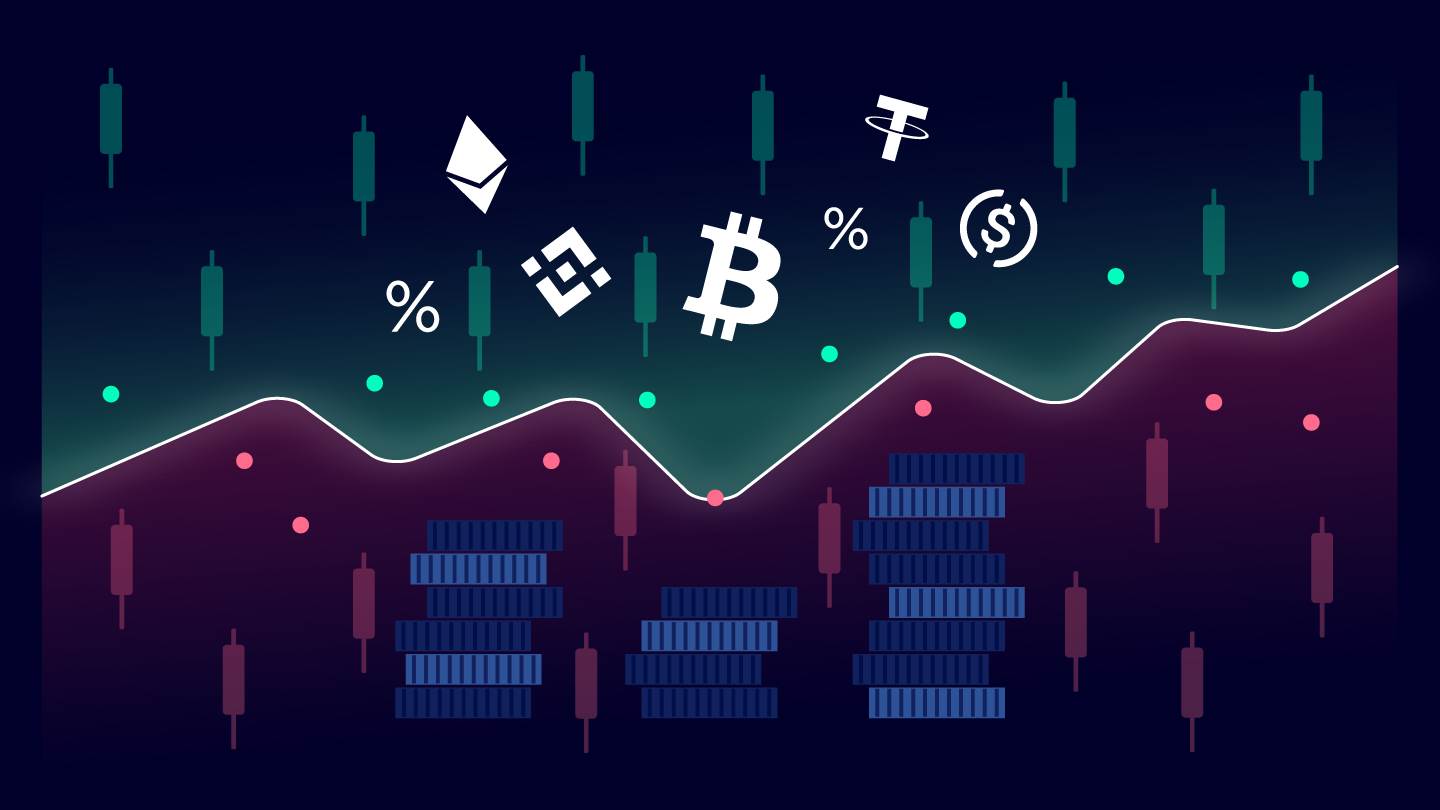
A stablecoin is usually a cryptocurrency pegged to assets such as the US dollar. Its main purpose is to provide more predictable value than volatile digital assets such as Bitcoin and Ethereum. These tokens can support daily payments, international transfers and other financial transactions. The interest in the report suggests that with the popularity of digital payment services, the adoption rate of stablecoins in the Asia-Pacific region may further expand.
41% of consumers misunderstand the price mechanism of stablecoins
However, Visa's research also revealed a surprising cognitive myth among consumers: 41% of consumers surveyed believe that the value of stablecoins will only increase. This belief runs counter to the basic design purpose of most stablecoins.
Unlike Bitcoin, whose price can fluctuate significantly, stablecoins anchored to the U.S. dollar are usually designed to trade around US$1. The main purpose is to maintain relatively stable prices rather than profit from continued appreciation. Despite this, the value of stablecoins may still fluctuate, and some stablecoins have even lost their anchor value during periods of market stress.
The misunderstanding identified in Visa's research raises the question: Do consumers truly understand the products they are considering using? This also highlights that as more and more people try to use stablecoins for payments, the importance of financial education will become increasingly prominent.
What does the rising adoption rate of Asia-Pacific stablecoins mean?
The contrast between consumer interest and financial perception is one of the most important implications of this survey results. Although nearly half of the consumers surveyed expressed interest in using stablecoins, this does not mean that the same proportion will become active users. Actual adoption rates will depend on factors such as regulatory clarity, availability of reliable services, transaction costs and consumer trust.
At the same time, the finding that 41% of consumers misunderstand stablecoin price behavior suggests that publicity campaigns may need to focus on basic concepts such as anchoring mechanisms, reserves and decoupling risks. For banks, payment providers and crypto platforms, the study points to potential demand for stablecoin-based services.
However, the widespread adoption of stablecoins in the Asia-Pacific region requires more than just consumer enthusiasm. Understanding how these digital assets work is also crucial. Visa's findings reveal a striking reality: Although interest in stablecoins is growing, misunderstandings about their value remain widespread.