Exchange Ranking
 Top Exchanges
 24h Volume Ranking
 Popularity Ranking
 Exchange BTC Balance
 Proof of Reserves
 Decentralized Exchanges
 Funding Rate
 Funding Heatmap
 Liquidation Data
 Max Pain
 Long/Short Ratio
 Whale L/S Ratio
 Binance/Okex/Huobi L/S
 Bitfinex Margin L/S
 ETF Tracker
 Solana ETF
 XRP ETF
 Hong Kong ETF
 Bitcoin Treasuries
 Crypto Reversal
 Ethereum Reserves
 HyperLiquid Wallet Analysis
 Hyperliquid Whale Watch
 Large Transactions
 On-chain Movement
 Bitcoin ROI
 Stablecoin Market Cap
 Options Analysis
 News
News Articles
 Economic Calendar
 Features
 Wallet
 Contract Calculator


 Security
 Collections
 Watchlist
 Following
 BTC
BTC  ETH
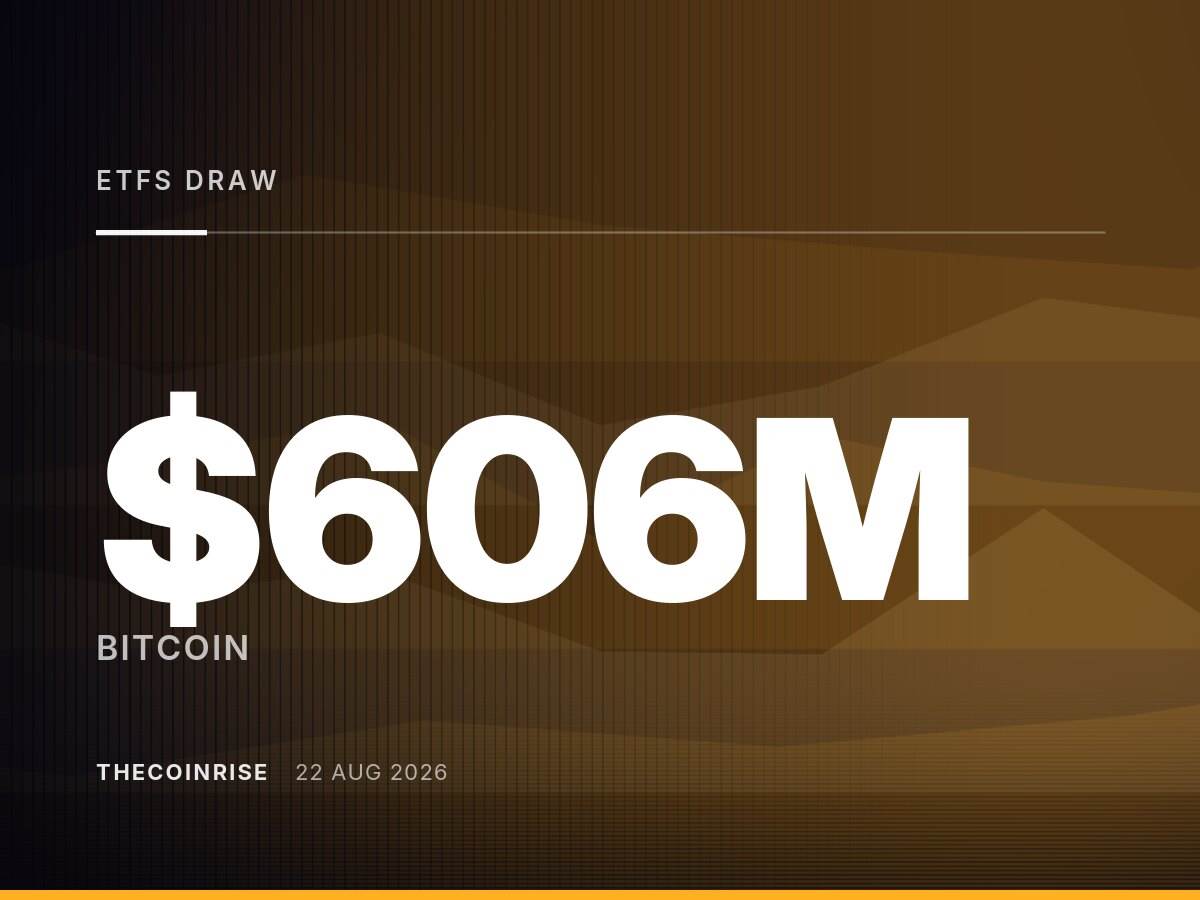
ETH The total trading volume of U.S. spot bitcoin and Ethereum ETF exceeded US$7.5 billion, signaling that market participation is increasing.
The total trading volume of U.S. spot bitcoin and Ethereum exchange-traded funds (ETFs) has exceeded US$7.5 billion. This turnover milestone demonstrates a significant increase in investor participation in the two largest regulated crypto products. For Bitcoin holders, it is also a new measure of the size of institutional order flow flowing through Wall Street channels rather than the native spot market.
The actual meaning of the US$7.5 billion trading volume data
This key figure reflects trading volume, which is the total dollar value of ETF shares changed hands, rather than the new capital entered the fund. The combined trading volume of spot Bitcoin and Ethereum ETF exceeds US$7.5 billion, a measure of market activity that is different from the nature of capital inflows or outflows. Trading volume and capital flow are independent indicators: a share being bought and sold during the trading day will increase the turnover rate but will not generate any substantial increase in net demand. Therefore, trading volume is more appropriately interpreted as a signal of market participation rather than a trend indicator.
Key information to know
Milestone data: The combined transaction volume of spot Bitcoin and Ethereum ETF exceeds US$7.5 billion. What needs to be clear is that trading volume measures the turnover of shares, not the new funds entering the fund. This joint statistical framework covers Bitcoin funds and newer Ethereum products, but the reported data is aggregate totals and does not separately reflect the respective transaction volume composition of the two assets.
High turnover rates point to investor engagement, but do not guarantee continued flow of funds into
ETFs. High trading volume is often interpreted as a signal of increased investor engagement, as active two-way trading requires buyers and sellers to reach deals on a larger scale. A regulated trading framework is key to this participation, allowing institutions to gain Bitcoin exposure through brokerage accounts without having to directly custody private keys or manage UTXOs. The participation of retail investors may also drive some trading activities, but transaction volume data alone cannot distinguish the ratio of institutional and retail investors, and existing reports lack conclusive capital flow data to confirm the identity of buyers. Bitcoin ETFs have previously set a record of more than $5.3 billion in single-day trading volume, highlighting the ability of regulated product transactions to expand rapidly. It should be noted that trading volume should not be confused with long-term willingness to hold. Trading days with high trading volume may be accompanied by huge inflows of funds (for example, the Bitcoin ETF recorded a net inflow of US$685 million in a single day), or there may be net redemptions (for example, a fund reduced its holdings of approximately 77000 bitcoins in a quarter due to retail withdrawals).
Why this milestone is crucial to Bitcoin's market position
ETF activity has shaped mainstream market attention to digital assets, while strong trading in regulated products has further consolidated Bitcoin's position in traditional market infrastructure. Trading volume of this magnitude keeps Bitcoin in view of the same exchange and order book that processes stock and bond orders. Continued trading volume in regulated products can also boost overall market sentiment, as brokers, market makers and index providers view these funds as enduring tools rather than novelties. This credibility adds further when trading volume breaks a threshold of $7.5 billion and does not fall back after a single pulse. Below the ETF layer, Bitcoin's monetary fundamentals still operate according to a fixed plan and are not affected by secondary market transaction volume. No matter how computing power changes, the network's difficulty adjustment mechanism keeps the block time at about ten minutes; the issuance path set by the 2024 halving event continues to tighten new supply-this is exactly the basic reality on which the ETF framework ultimately relies.