Exchange Ranking
 Top Exchanges
 24h Volume Ranking
 Popularity Ranking
 Exchange BTC Balance
 Proof of Reserves
 Decentralized Exchanges
 Funding Rate
 Funding Heatmap
 Liquidation Data
 Max Pain
 Long/Short Ratio
 Whale L/S Ratio
 Binance/Okex/Huobi L/S
 Bitfinex Margin L/S
 ETF Tracker
 Solana ETF
 XRP ETF
 Hong Kong ETF
 Bitcoin Treasuries
 Crypto Reversal
 Ethereum Reserves
 HyperLiquid Wallet Analysis
 Hyperliquid Whale Watch
 Large Transactions
 On-chain Movement
 Bitcoin ROI
 Stablecoin Market Cap
 Options Analysis
 News
News Articles
 Economic Calendar
 Features
 Wallet
 Contract Calculator


 Security
 Collections
 Watchlist
 Following
 ADA
ADA  AVAX
AVAX  BTC
BTC  DOGE
DOGE  ETH
ETH  HYPE
HYPE  LINK
LINK  SHIB
SHIB  SOL
SOL  XRP
XRP  ZEC
ZEC  RLUSD
RLUSD The SEC approves the expansion of the NASDAQ Texas crypto ETF, XRP is recognized as a digital commodity
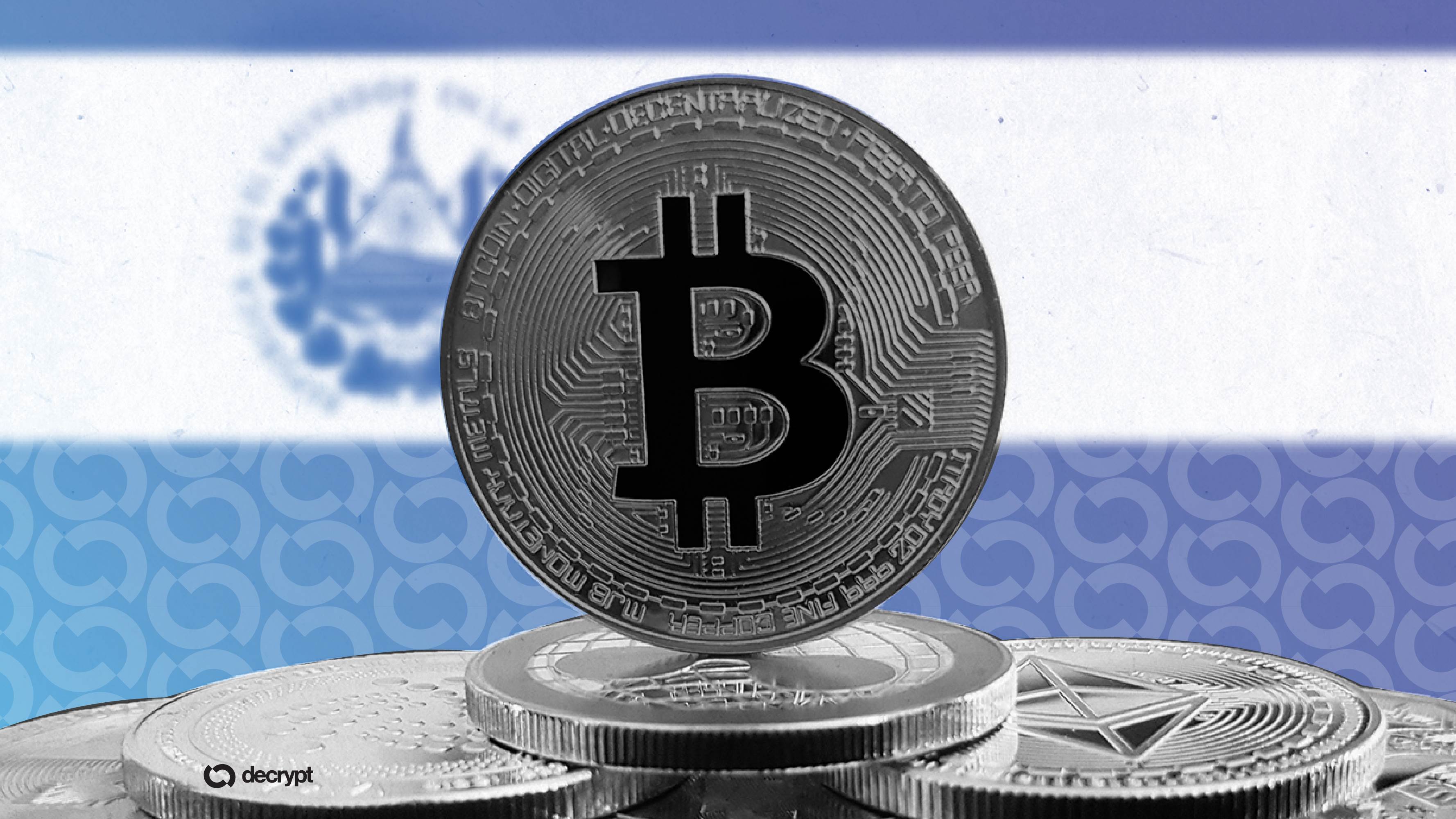
On Friday, September 4, 2026, the cryptocurrency market experienced a significant rebound. Market sentiment rose sharply as the main short squeeze unfolded and the Securities and Exchange Commission released key regulatory news. CoinGlass data showed that in the past 24 hours, a total of 105,019 traders had their positions cleared, with a total value of US$566.9 million, of which US$478.91 million came from short positions. The total market value of the crypto market reached US$2.711 trillion, and if the size of the derivatives market is included, it is as high as US$2.82 trillion.
Regulatory action reshapes the crypto landscape
The SEC issued Order No. 34-106268, accelerating approval for Nasdaq Texas LLC to amend Rule 5711(d) aimed at defining a "digital commodity," legalizing proactively managed crypto strategies, and allowing exchange-traded funds (ETFs) to hold up to 15% of their net asset value in instruments that did not initially meet strict eligibility criteria.
In the order, the SEC listed Bitcoin (BTC), Ethereum (ETH), Solana (SOL) and Ripple (XRP) as digital goods currently eligible for inclusion in these products. This represents formal recognition within the exchange governance framework, although it does not yet have national legal effect.
The SEC's move follows a series of decisions in 2025 and 2026, including shortening the approval time for crypto-ETPs from 240 days to 75 days in September 2025, and a joint explanation issued by the SEC and the Commodity Futures Trading Commission (CFTC) in March 2026 classifying a group of cryptocurrencies including BTC, ETH, SOL, XRP, ADA, AVAX, DOGE, SHIB and LINK as commodities.
In June this year, regulators approved T. Rowe Price's multi-asset crypto ETF TKNZ, which has the flexibility to rotate positions between the above currencies.
Despite the strong momentum, legal certainty remains to be clarified. The Senate will vote on the CLARITY Act on September 15, and the House of Representatives has hinted that it may delay the process after canceling the September legislative session. In addition, in a recent letter, the National Sheriff's Association withdrew its opposition to decentralized finance (DeFi) and adopted a neutral stance, thereby reducing some lobbying pressure. Brad Garlinghouse, CEO of Ripple, commented: "Making the United States the encryption capital of the world is within reach-let's get the job done."
Economic data and ETFs drove the market rally
The rally followed comments by Federal Reserve Governor Christopher Waller, who pointed to the continued deflationary trend and supported the Fed in keeping interest rates stable at its next meeting. This eased some market tensions, while the yen strengthened by 2%, influenced by speculation that the Bank of Japan might raise interest rates.
The U.S. spot Bitcoin ETF attracted a daily net inflow of $730.87 million, of which BlackRock's IBIT contributed $454 million, pushing the total assets of the BTC fund to exceed $103.34 billion-equivalent to 6.32% of all bitcoins in circulation.
The Ethereum ETF received $141.24 million in inflows, resulting in the liquidation of $115.08 million of short ETH positions.
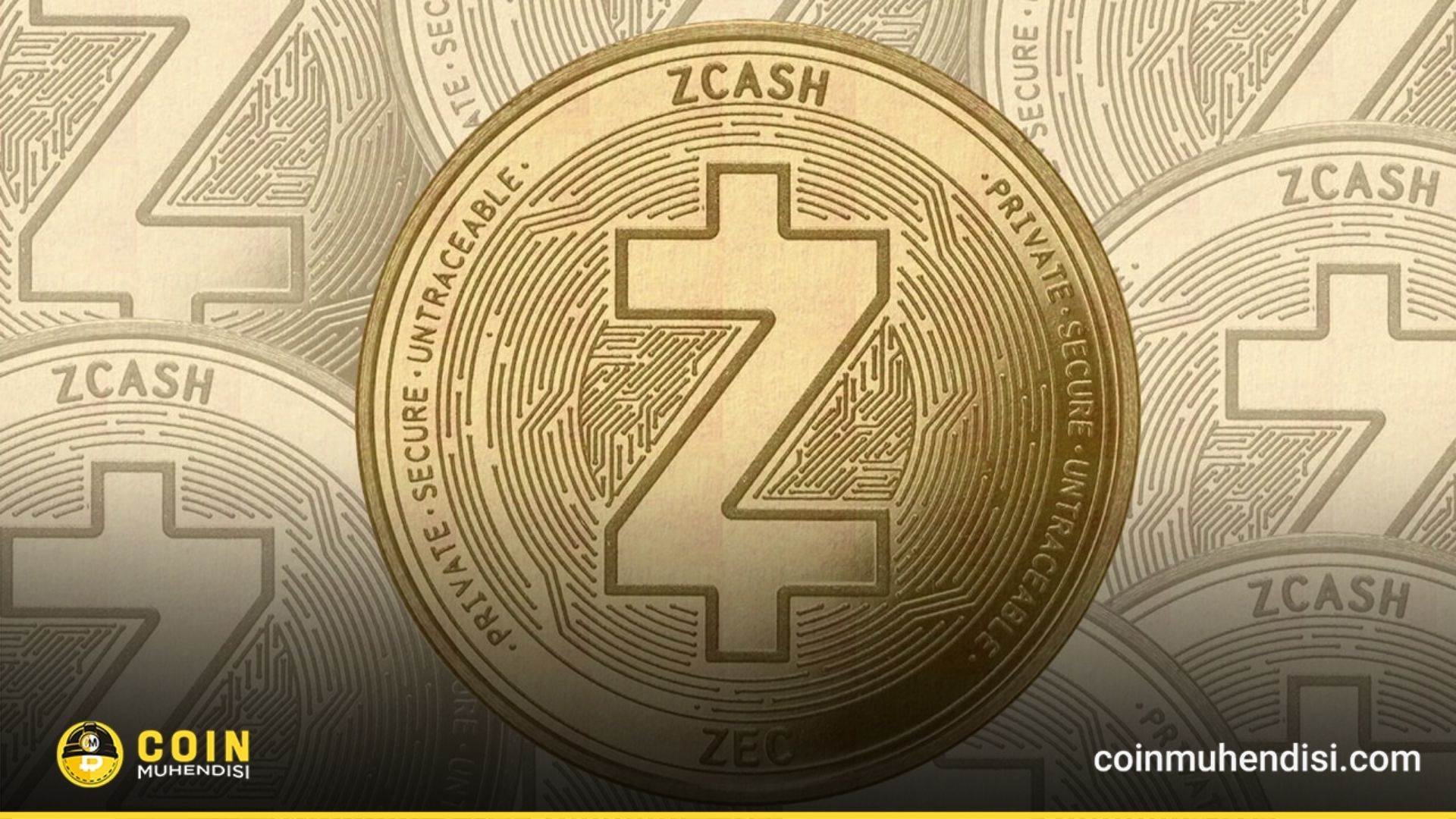
Zcash surged 2300% due to AI privacy needs and ETF inclusion
Zcash (ZEC) has risen 94% in the past 30 days and has risen more than 2300% in the past year, driven mainly by a sharp short squeeze and a new round of privacy concerns as artificial intelligence technology advances. CoinGlass reported that there were $36.46 million in ZEC mandatory liquidations, almost all of which came from short positions, with open contracts worth $2.3 billion.
The GPT-6 Astra model launched by OpenAI scored 98.6% in the ARC-AGI-3 benchmark and is capable of fully autonomous computer operations, a development that further attracted investors 'attention. After it was discovered in Germany that AI agents had made more than 15,000 unauthorized edits to the DseWiki database, privacy-minded investors turned to Zcash's zero-knowledge technology as a protection measure against automated surveillance.
Meanwhile, Nasdaq's new 15% net asset buffer rule allows asset managers to buy ZECs for regulated multi-asset funds, further exacerbating the short squeeze.
Micro Dictionary: Zero-Knowledge Technology A cryptographic protocol that allows one party to prove to another that a statement is true without disclosing anything other than the validity of the statement itself. Zcash uses this technology to provide enhanced privacy protection for blockchain transactions.
Institutional capital flows and industry restructuring
Spot XRP ETF continues to record capital inflows, which has increased for 11 consecutive trading days, with a cumulative total amount of US$1.68 billion, an increase of US$6.14 million in a single day. XRP's daily clearing amount remained low at US$11.39 million. The supply of RLUSD stablecoins on XRP's books has exceeded US$1 billion, and the network has been approved by the Bank for International Settlements (BIS) to record official statistics.
On-line data showed a large-scale Ethereum sell-off, with one institution selling 29,735 ETH units worth US$72.1 million. Abraxas Capital maintained a short hedge of $291.4 million on Hyperliquid, while Multicoin Capital transferred 150,000 HYPE tokens worth $12.8 million to Coinbase.
This area has also undergone ongoing risk management and listing adjustments. After a $1.7 million security breach in Notional Finance, Binance listed AVA, GNS, SCR and TOWNS as "surveillance tags" and announced the launch of MarsCoin (MARSCOIN) with a "seed tag". KuCoin and Kraken are also scheduled to conduct their respective reviews on September 7 and 11, respectively.
This period of explosive growth marks the industry's transition to maturity, with major crypto assets such as BTC, ETH, SOL and XRP guiding liquidity through regulated ETF products.
The ratio of bitcoin to gold climbed above 18, its highest level since January, although analysts pointed out that historic ETF inflows often signal a partial correction. What traders call the September seasonal risk-"Rektember"-is seen as a significant risk ahead of the Federal Reserve policy meeting and the Senate's CLARITY bill vote, both of which are scheduled to take place during the middle of the month.