Exchange Ranking
 Top Exchanges
 24h Volume Ranking
 Popularity Ranking
 Exchange BTC Balance
 Proof of Reserves
 Decentralized Exchanges
 Funding Rate
 Funding Heatmap
 Liquidation Data
 Max Pain
 Long/Short Ratio
 Whale L/S Ratio
 Binance/Okex/Huobi L/S
 Bitfinex Margin L/S
 ETF Tracker
 Solana ETF
 XRP ETF
 Hong Kong ETF
 Bitcoin Treasuries
 Crypto Reversal
 Ethereum Reserves
 HyperLiquid Wallet Analysis
 Hyperliquid Whale Watch
 Large Transactions
 On-chain Movement
 Bitcoin ROI
 Stablecoin Market Cap
 Options Analysis
 News
 Articles
 Economic Calendar
 Features
 Wallet
 Contract Calculator


 Security
 Collections
 Watchlist
 Following
 BTC
 ETH
加密货币“掩体模式”之争:谁在点燃这场年度安全辩论?
多年来,比特币加密体系面临的威胁有一个明确的名字和日期:量子计算机,预计将在2030年代的某个时间点到来。然而本周,以太坊联合创始人提出了不同的观点:真正的危险可能来得更早,且来自完全不同的方向。
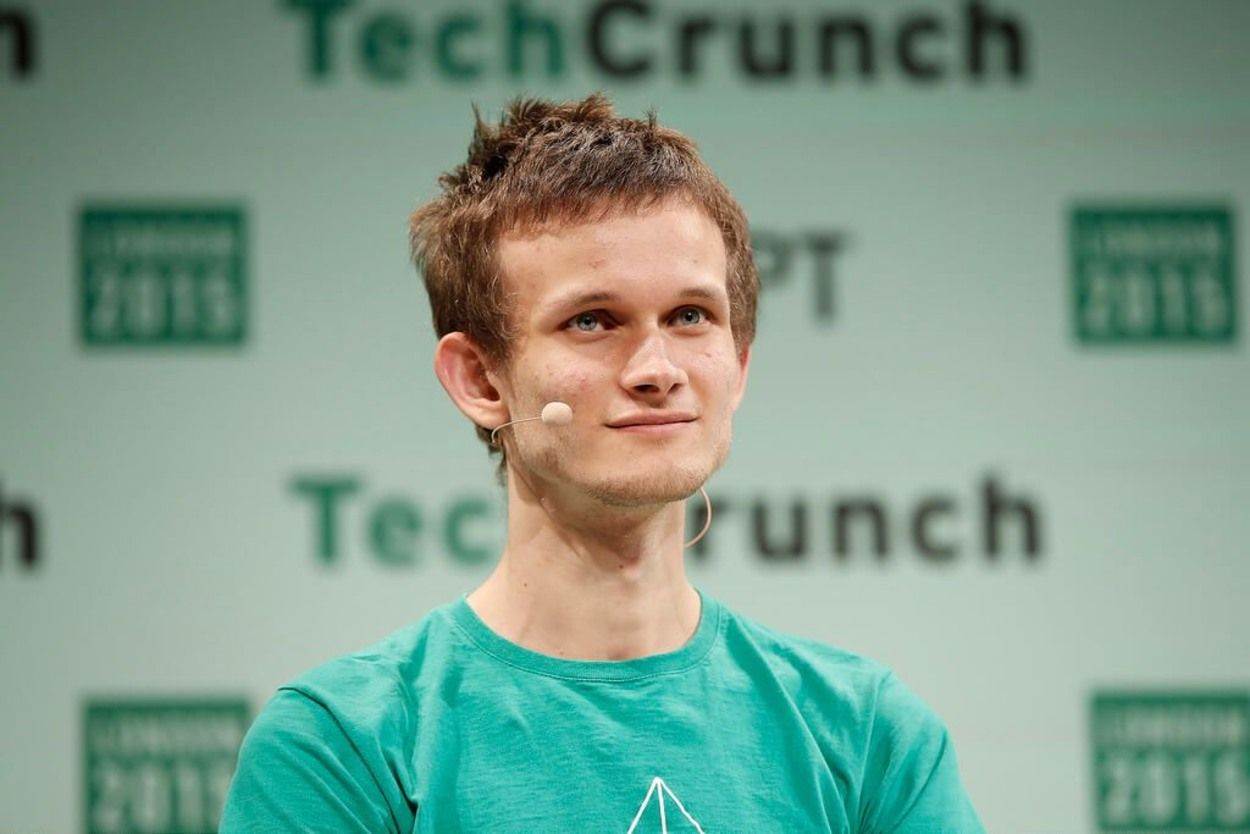
Vitalik Buterin 认为,人工智能(AI)可以将50年的数学进步压缩至两年内完成,而其中部分数学突破可能会破解你钱包的锁。Cardano创始人Charles Hoskinson在阅读了这一论点后,用了一个更尖锐的词来回应:“数字迷信”。由此引发了今年最重要的一场加密货币安全辩论,两位行业巨头在公开场合展开了激烈的交锋。
什么是加密货币“掩体模式”?又是谁发起的?
这场争论的导火索来自以太坊基金会研究员Justin Drake。周二,OpenAI在一次发布中公布了数百项新的数学成果。Drake警告称,由AI加速推进的数学研究最终可能在量子计算机成熟之前,就攻破目前用于保护比特币和以太坊钱包的ECDSA(椭圆曲线数字签名算法)。
他的建议是:进入“掩体模式”,即逐步将资金转移到那些公钥从未在链上暴露过的全新地址中。
Buterin对此表示支持,同时提醒用户不要恐慌性转移资产。他更大的意图在于针对行业的量子防御计划。目前,后量子世界主要建立在基于格(lattice-based)的密码学之上,包括NIST在2024年最终确定的ML-KEM和ML-DSA标准。但Buterin指出,未来两年的AI数学进展极有可能对格密码的具体安全性造成严重打击,因此以太坊的长期路线图已有意转向基于哈希的签名和证明方案。
为何Hoskinson称Buterin的警告为“数字迷信”?
Hoskinson于周四发布的反驳文章长且毫不留情。他的核心论点是:Buterin并未指出任何针对格问题的可信攻击方法。他认为,Buterin所依赖的历史案例——即在90年代彻底削弱RSA密钥长度的通用数域筛法(GNFS),源于整数分解中特定的算术结构。而在经过四十年的密码分析后,尚未发现针对格密码的可比机制。此外,NIST的安全参数已经包含了所有已知的格约简和筛分技术的改进空间。
Hoskinson还抨击了Buterin关于“将密钥大小乘以10就能抵御AI”的建议。他指出,这是典型的“数字迷信”。安全参数的调整应随攻击算法的可测量增益而变化,而非基于整数的随意猜测。
Later, he pointed the finger at Ethereum: the hash function had been breached many times, from MD5 to SHA-1. Poseidon is a hash function Ethereum is exploring for zero-knowledge proofs and is itself a target of AI-assisted algebraic attacks. If AI is a threat to trellis ciphers, why is the hash function immune?
There is no lack of personal color in the words. Hoskinson accused Buterin of being too invested in Ethereum's research direction to re-examine it, and reminded readers to review major past shifts in Ethereum, such as Plasma and the early Casper design, which were later re-evaluated and adjusted by developers.
Is Bitcoin safe now?
The answer is yes. In this debate, no one claimed that ECDSA or SHA-256 had been hacked, and no AI system had produced a viable attack. At the heart of the disagreement is where defense efforts should be directed over the next decade.
Buterin hopes that the industry will hedge both quantum risk and AI risk by preferring hash-based structures. Hoskinson warns that keeping developers away from code out of fear could delay quantum protection already deployed in network traffic and messaging, exposing everyone to risk for longer.
No matter which direction you misjudge, there will be a real price. While hash-based signatures can authorize transactions, trellis ciphers also support encryption and key exchange functions that are necessary for private systems and secure communications that cannot be provided by hashing alone.
How should cryptocurrency holders respond to the "bunker model" debate?
比你想象的少,但比什么都不做要多。双方都认可的唯一实际步骤是保持良好的卫生习惯:避免重复使用地址。因为一旦地址签署了交易,其公钥就会在链上暴露,而这正是未来攻击所需的数据。硬件钱包、强备份和自托管仍是基础防线。
除此之外,请关注研究人员而非意见领袖。如果AI驱动的数学研究在格约简方面取得真正突破,它首先会出现在同行评审的密码分析论文中,而不是出现在被盗的钱包里。在此之前,这只是一场关于技术路线图的争论,而非抛售的理由。值得一提的是,比特币和以太坊的价格对此几乎毫无波澜。