Exchange Ranking
 Top Exchanges
 24h Volume Ranking
 Popularity Ranking
 Exchange BTC Balance
 Proof of Reserves
 Decentralized Exchanges
 Funding Rate
 Funding Heatmap
 Liquidation Data
 Max Pain
 Long/Short Ratio
 Whale L/S Ratio
 Binance/Okex/Huobi L/S
 Bitfinex Margin L/S
 ETF Tracker
 Solana ETF
 XRP ETF
 Hong Kong ETF
 Bitcoin Treasuries
 Crypto Reversal
 Ethereum Reserves
 HyperLiquid Wallet Analysis
 Hyperliquid Whale Watch
 Large Transactions
 On-chain Movement
 Bitcoin ROI
 Stablecoin Market Cap
 Options Analysis
 News
 Articles
 Economic Calendar
 Features
 Wallet
 Contract Calculator


 Security
 Collections
 Watchlist
 Following
 BTC
 ETH
Ethereum researchers warn: AI could cause bitcoin and Ethereum wallet signatures to be cracked within months
Ethereum researchers have raised concerns that advances in artificial intelligence may endanger the cryptographic signatures that protect bitcoin and Ethereum wallets within months rather than years, especially in the most serious cases. They claim that this risk may arise long before practical quantum computers are available.
Experts debate blockchain security model
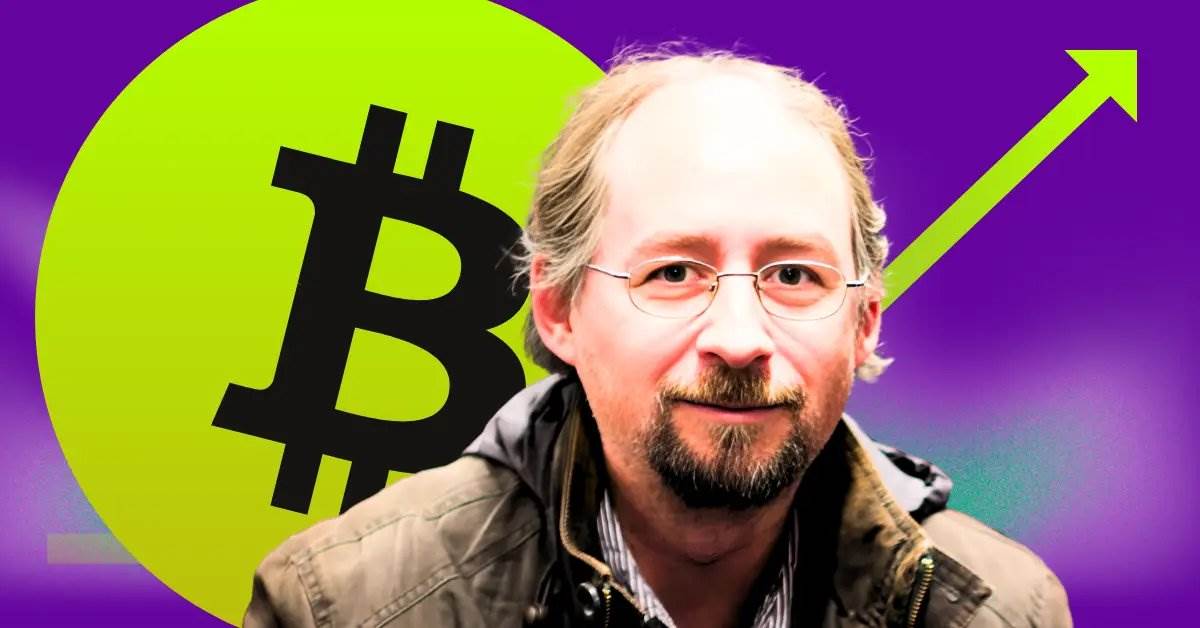
After receiving warnings about AI, Blockstream CEO Adam Back strongly criticized the original architectural design decisions made by early Ethereum developers. Baker believes the Ethereum team demonstrated inexperience and, despite warnings from others in the industry, rebuilt the agreement around a "clearly flawed architecture."
Baker praised the technical foresight of Bitcoin's anonymous founder Satoshi Nakamoto and pointed to the Unspent Transaction Output (UTXO) model adopted by the Bitcoin network. He believes the design shows a deeper understanding of distributed systems and point-to-point networks. As Baker put it: "It's almost like Satoshi Nakamoto knows something about distributed systems," arguing that Bitcoin's UTXO model has structural advantages.
The UTXO model used by Bitcoin and Cardano is similar to physical cash, in which different coins or outputs are spent after each transaction and replaced with new outputs. This approach is fundamentally different from Ethereum's account-based model.
Ethereum manages balances through persistent accounts, similar to traditional bank ledgers, with each user or smart contract maintaining a running balance. Transactions update these balances directly, rather than generating new output for each transaction.
Ethereum seeks post-quantum and AI resilience
In response to potential AI-driven attacks, some Ethereum developers have outlined proposals to try to introduce UTXO-like features. One of the well-known initiatives is Ethereum Improvement Proposal EIP-8141, which introduces a new frame transaction type (0x06) designed to achieve native account abstraction and enhance resistance to quantum and AI threats.
Ethereum researcher Justin Drake recently suggested that the cryptocurrency industry adopt a "bunker model" mentality, predicting that AI will soon break through the mathematical protection barriers of current digital wallets. Drake warned that in the worst-case scenario, AI systems could find a way to undermine the security of Bitcoin and Ethereum private keys within months, and urged large holders to gradually move assets to new addresses as a precautionary measure.
Ethereum co-founder Vitalik Buterin offers a more moderate view. While acknowledging the seriousness of the AI-accelerated encryption threat, Buterin advised users not to rush to immediately transfer assets, instead emphasizing the importance of reducing exposure to encryption algorithms that are vulnerable to quantum and AI attacks.
在技术创新加速、市场波动可能突然加剧的背景下,对安全协议的审查显得尤为关键。在一个单一的美联储决定或突发的山寨币上市就能在几秒钟内改变一切的市场中,在不同应用间切换以查看图表、新闻和跟踪投资组合正在让投资者付出金钱代价。聪明的交易者现在正利用注重隐私的工具如 CryptoApps 来整合所有功能。无需繁琐的注册流程,即可在一个屏幕上获得实时图表、智能价格提醒、特定币种新闻以及关键的宏观数据。