Exchange Ranking
 Top Exchanges
 24h Volume Ranking
 Popularity Ranking
 Exchange BTC Balance
 Proof of Reserves
 Decentralized Exchanges
 Funding Rate
 Funding Heatmap
 Liquidation Data
 Max Pain
 Long/Short Ratio
 Whale L/S Ratio
 Binance/Okex/Huobi L/S
 Bitfinex Margin L/S
 ETF Tracker
 Solana ETF
 XRP ETF
 Hong Kong ETF
 Bitcoin Treasuries
 Crypto Reversal
 Ethereum Reserves
 HyperLiquid Wallet Analysis
 Hyperliquid Whale Watch
 Large Transactions
 On-chain Movement
 Bitcoin ROI
 Stablecoin Market Cap
 Options Analysis
 News
 Articles
 Economic Calendar
 Features
 Wallet
 Contract Calculator


 Security
 Collections
 Watchlist
 Following
If you have paid attention to the market recently, you will notice that with the resurgence of ICOs, token distribution is gradually declining. Additionally, the methods of financing are also shifting from venture capital models to decentralized financing approaches.
Initial Coin Offerings (ICOs) aren’t something new at all. Some of the most popular cryptocurrencies, such as Ethereum and Augur, were issued through ICOs.
However, we believe that after a long period of decline, these projects will make a strong comeback in 2025. During this period of downturn, most project financing took place behind the scenes through venture capital transactions.
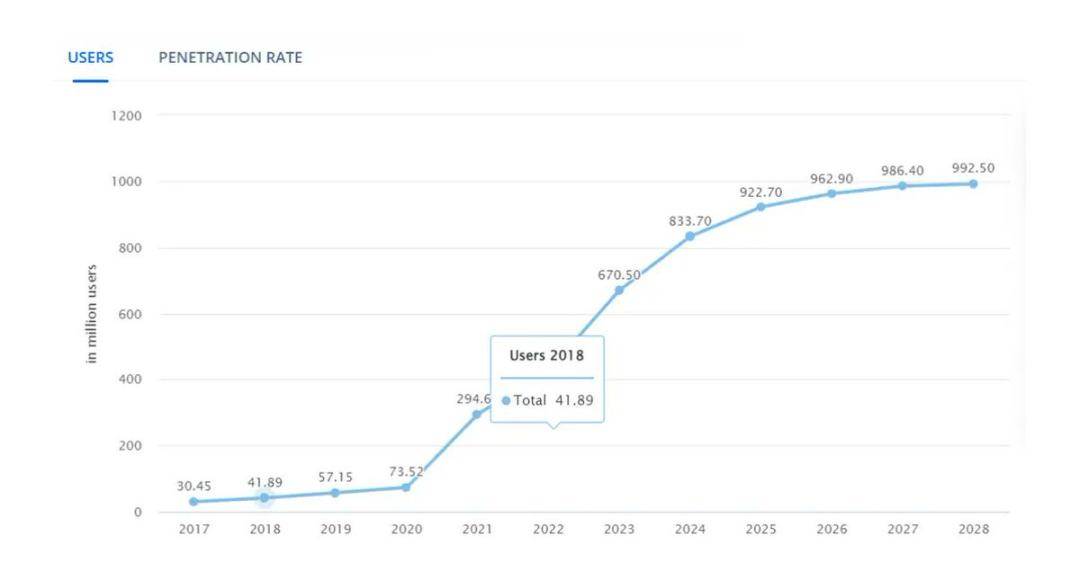
Why is ICOs making a comeback? One reason is that since the first ICO boom from 2014 to 2018, the number of cryptocurrency participants has more than tripled, with a compound annual growth rate of 4.46%. Moreover, the average level of expertise among participants has significantly improved. Coupled with an increase in the supply of stablecoins, this naturally expands the pool of available funds, making it more attractive for people to purchase discounted tokens before the launch of a new project.
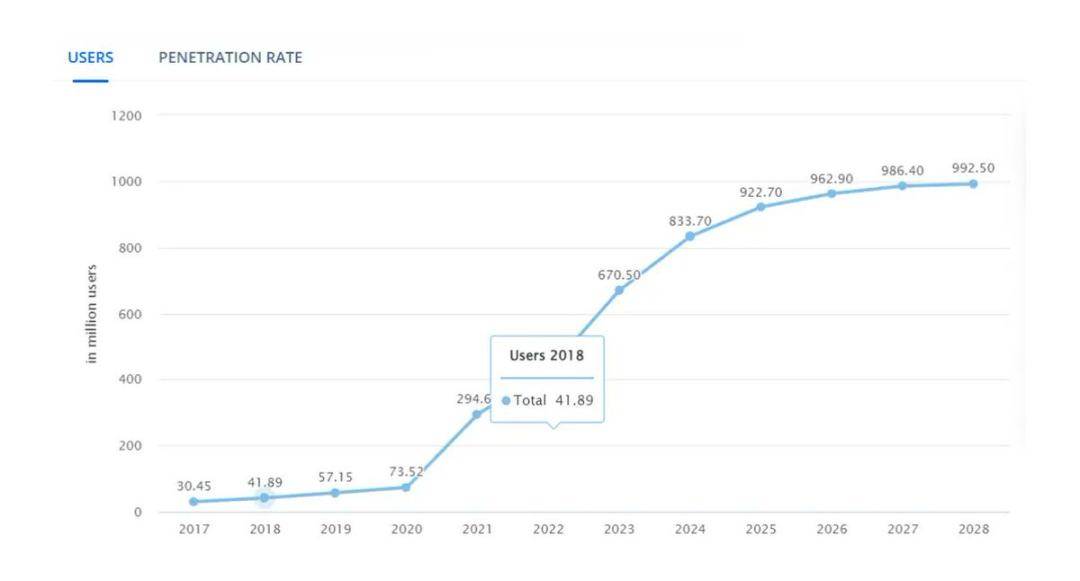
While this argument is appealing, the increase in the number of market participants isn’t the main driver behind the resurgence of ICOs. To understand the real reasons for this recovery, we need to look at the inherent flaws in current financing models.
By observing the market trends from 2022 to 2024, we can see that many projects raise funds from venture capital firms with low full dilution valuations. However, by reducing the initial circulation of tokens, they enable the tokens to reach a valuation far higher than that during the fundraising phase.
Here are some examples from 2022 to 2024:
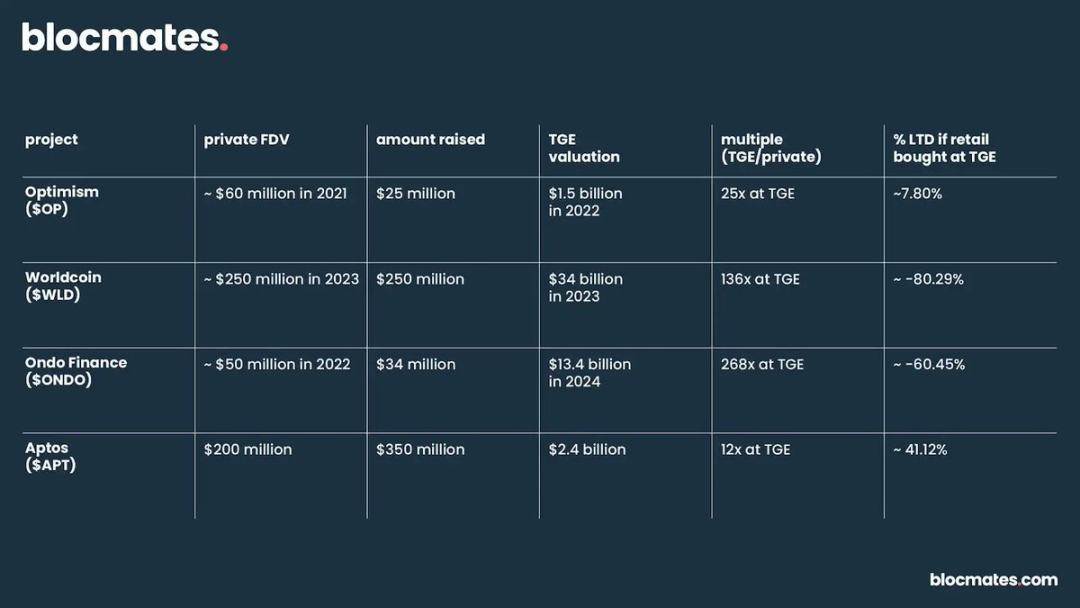
As shown in the table, most of the profits have been taken by insiders, leaving retail investors with very limited opportunities for profit. In simple terms, the opportunities for profit in altcoins are mainly in the hands of insiders, while retail investors either buy tokens at inflated prices or sell them quickly after receiving token distributions. This is largely because token distributions are often seen as “free money,” thereby creating immediate selling pressure on the market. This situation leads to widespread fatigue among retail investors: due to the continuously worsening risk-reward ratio, they gradually lose confidence in traditional altcoin investments. Subsequently, retail funds shift towards memecoin, which offers lower entry barriers, higher volatility, and no involvement from venture capital firms. This has fueled the rise of memecoin markets and the development of platforms for issuing memecoin tokens. Eventually, this leads to a serious misalignment of interests between retail investors, project teams, and venture capitalists, with each group having different incentives:
● Retail investors desire more fair access to the market.
● Project teams need sustainable communities rather than short-term投机行为.
● Venture capitalists, on the other hand, tend to seek early-stage asymmetric benefits.
The resulting tension makes it necessary for the market to adopt a new model that can rebalance the incentive structure of the entire ecosystem. The resurgence of ICO-style financing is a manifestation of this change.
The appeal of ICOs lies not only in providing another way to raise funds, but also in their clearer incentive structure, allowing retail investors to participate under more fair conditions.
Reasons why ICOs may replace token distributions
基于上述原因,我们有理由认为,市场激励文化可能会转向「利益绑定」模式,以ICO折扣替代传统的「任务换奖励」的空投模式。
相关迹象已开始显现。MegaETH和Monad均将之前风投的部分份额用于公开销售。尽管这些举措并非纯粹的ICO发行,但以风投轮估值向公众发放代币,已是朝着正确方向迈出的一步。
ICO通常被视为更自然、更强调「利益绑定」的代币分发方式:参与者以基准估值投入自有资金,既可以是单轮融资,也可以是分多个定价层级的阶梯式结构。
理论上,这能让用户与项目之间建立更强的心理与经济绑定。
由于参与者是直接购买代币而非免费获取,他们通常更倾向于长期持有。这有助于扭转最近周期中链上资产持有时间持续缩短的趋势。
此外,ICO有望重塑山寨币市场的收益空间:公开募资通常透明度更高,流通量与估值一目了然,且相较于风投主导的代币模型,其FDV往往更合理。
这种结构增加了早期散户参与者获取可观收益的可能性,而非与享受大幅折扣的内部人士分配份额竞争。
In contrast, many ICOs suffer from poor incentive design, leading to a widespread culture of “buying just to sell immediately”. On the other hand, ICOs offer a more rational and sustainable option, both in terms of token distribution and early community building. The rise of early financing platforms has provided valuable insights for ICOs. Last month, the cryptocurrency industry witnessed a major acquisition: Coinbase acquired the blockchain-based financing platform Echo for $375 million. This acquisition included Echo’s Sonar product, a tool that allows anyone to launch public token sales. In addition, Coinbase also launched a native app-based launch platform, with Monad being its first project. Alongside Echo and Coinbase, early financing platforms are showing signs of developing into more organized structures. Kaito introduced its own launch platform, MetaDAO, which redefines the concept of ICOs. MetaDAO is particularly noteworthy. Its emergence clearly reflects the market’s dissatisfaction with the “insider-driven, high FDV issuance” model. Its goal is to help projects start their growth through ICOs with high circulation rates. This indicates that the market is ready to embrace ICOs again, but not in any form that lacks careful planning and execution. It’s about creating a fundraising model that benefits teams, communities, and the entire market. How can we make the right arrangements? To be fair, we’ve already mentioned that the resurgence of ICOs reflects the market’s desire to rethink incentive structures, with the aim of creating more equitable opportunities for individual investors.This means that both the project team and individual investors need to align their interests, and create a more resilient community composed of active users and committed token holders. In fact, this also suggests that the era of “free tokens” may be coming to an end.
Looking back at some successful token distribution events that had a profound impact on the ecosystem, such as HYPE, we can see room for improvement in the design of distribution methods:
Take Hyperliquid as an example. Real users, rather than speculative “miners,” participate by paying fees and taking on real risks. The rewards they receive are truly tied to the success of the product.
This example shows that when incentives are well-designed, participation from individual investors can be both meaningful and sustainable, rather than just short-term speculative actions.
We believe that this approach will become more common in ICOs. In the future, ICOs might offer discounts to users who exhibit more mature and reliable behavior on the blockchain, thereby replacing traditional token distributions.
Data from 2024 illustrates this point: after distributing tokens, over 80% of light users were willing to sell their tokens within 7 days, while only 55% of heavy users did so.
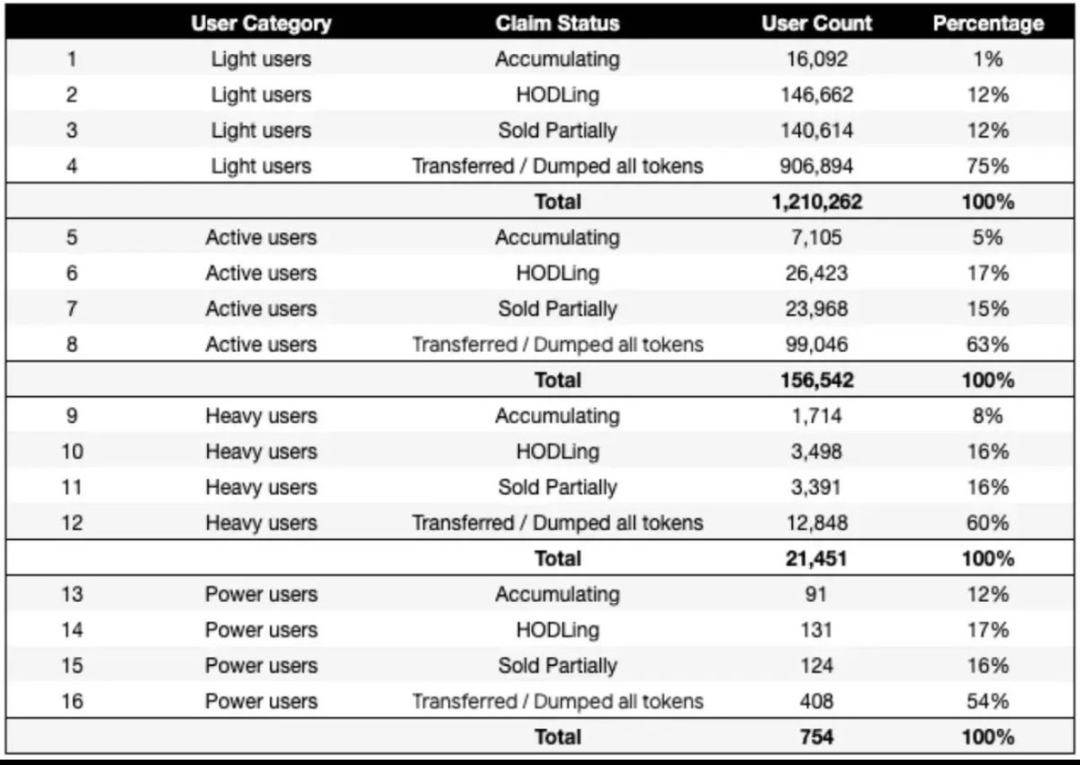
To succeed in the envisioned future, participants need to adopt a long-term mindset and adjust their actions accordingly.
This means fostering loyalty among users towards specific wallet addresses, thereby establishing credibility and demonstrating consistent, coordinated behavior on the blockchain.
Such activities may include trying various protocols, deploying liquidity within funding pools, and contributing to public products like Gitcoin. These are all meaningful activities that can be carried out on the chain.
Although there is still disagreement in the market regarding projects like Kaito, we expect them to play an important role in shaping the next stage of the market.
For example, the “yap threshold” combined with verified on-chain behavior could become a key criterion for determining eligibility to participate in ICOs or receive discounted tokens. This would reward those participants who demonstrate sustained commitment and alignment with the project’s goals.
If this becomes the norm, one way to increase returns is to use products like INFINIT or Giza to allocate funds across multiple ecosystems.
While this approach may have limited effectiveness in scenarios where wallets have a long history and high weight in terms of on-chain behavior, it still has significant advantages if on-chain activities are used as the sole criteria for determining eligibility to participate in ICOs or receive discounts.
Potential problems and challenges
ICOs still face many challenges in becoming the standard method for financing and rewarding in the cryptocurrency industry.
One key challenge is that, similar to financing through venture capital, poorly designed ICO token economy models can lead to failure.
If a project sets its token prices too high, especially relative to current market valuations (which are often influenced by low circulation volumes and manipulation of FDV), then these tokens may still struggle to gain recognition in the open market.
此外,监管和法律方面的考量也构成重大障碍。尽管加密货币在某些司法管辖区的监管透明度日益提高,但在潜在的高资本地区,ICO仍然存在诸多灰色地带。
这些法律上的不确定性可能会成为ICO成功的瓶颈,在某些情况下,甚至可能将难以获得足够关注的项目推回给风险投资机构。
ICO面临的另一个有趣挑战是市场饱和的可能性。由于多个项目往往同时进行融资,参与者的注意力会被分散,对ICO的整体热情可能会下降。这可能导致普遍的「ICO疲劳」,从而抑制广泛的参与和市场势头。
除了这些挑战之外,随着市场可能转向ICO,项目还有许多其他关键考虑因素,包括激励机制协调、社区参与和基础设施风险,所有这些都必须加以解决,以确保可持续的成功。
结语
目前,市场的诉求十分明确:人们渴望更公平的项目发行,减少风投骗局。山寨币市场的现状也反映了这一点——现货持仓减少,永续合约交易量增加。
我们认为,这清晰表明散户已在很大程度上放弃长期收益,转而选择更具投机性的投资方式。
从注意力经济学的角度来看,这一局面更为严峻:它不仅损害整个行业,还会阻碍创新。
The return of ICOs seems to be a step in the right direction. However, it’s unlikely that they will completely replace the traditional method of token distribution. Instead, they likely will serve as a driving force behind the emergence of hybrid models, where long-term benefits become the core of any project’s marketing strategy.