Exchange Ranking
 Top Exchanges
 24h Volume Ranking
 Popularity Ranking
 Exchange BTC Balance
 Proof of Reserves
 Decentralized Exchanges
 Funding Rate
 Funding Heatmap
 Liquidation Data
 Max Pain
 Long/Short Ratio
 Whale L/S Ratio
 Binance/Okex/Huobi L/S
 Bitfinex Margin L/S
 ETF Tracker
 Solana ETF
 XRP ETF
 Hong Kong ETF
 Bitcoin Treasuries
 Crypto Reversal
 Ethereum Reserves
 HyperLiquid Wallet Analysis
 Hyperliquid Whale Watch
 Large Transactions
 On-chain Movement
 Bitcoin ROI
 Stablecoin Market Cap
 Options Analysis
 News
News Articles
 Economic Calendar
 Features
 Wallet
 Contract Calculator


 Security
 Collections
 Watchlist
 Following
Key Insights
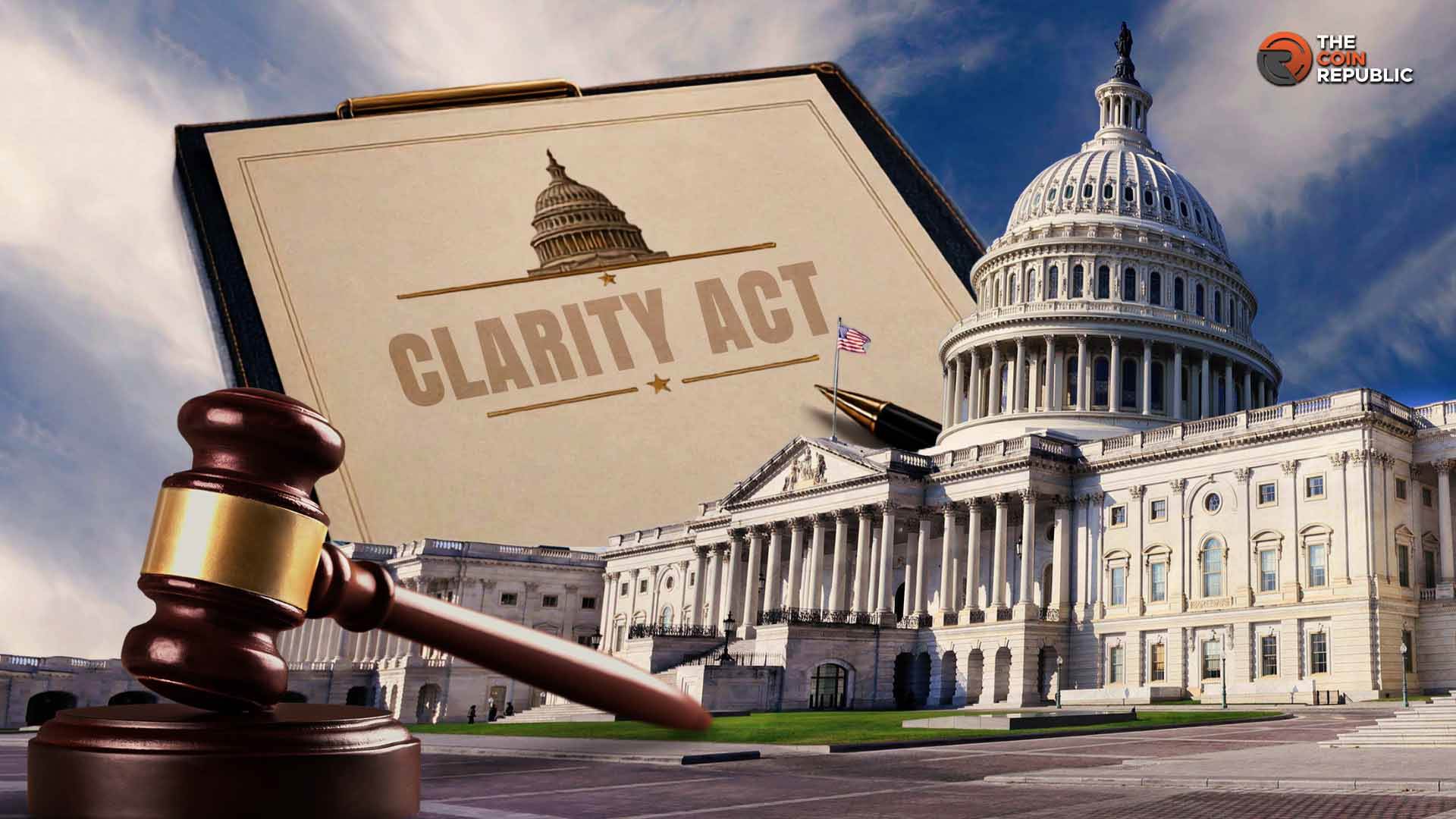
An updated version of the CLARITY Act retains controversial ethics provisions and stablecoin earnings provisions.
The revised text adds regulatory rules for non-decentralized financial (Non-DeFi) transaction protocols.
The Senate vote to end the debate is still scheduled for September 15.
Senate Republicans release new draft of the CLARITY Act ahead of legislative process test
Before the legislative process test on September 15, Senate Republicans released a new draft of the CLARITY Act. The 630-page draft revises relevant provisions for decentralized finance (DeFi) and credit unions, while retaining controversial ethics and stablecoin benefits. These outstanding issues will determine whether supporters can muster enough votes to move the encryption bill forward.
The Senate does not schedule a vote on final passage of the bill on September 15. Instead, for entering H.R. The motion to close debate on Bill 3633 will take effect at 2:15 p.m. EST. A successful vote would limit debate on whether to accept the bill and allow the Senate to proceed to its formal consideration.
CLARITY Act Update Revises DeFi and Credit Union Rules
Revised Senate text expands its decentralized financial framework. It defines a decentralized financial protocol by identifying parties 'control over rules or usage. The bill also directs the Commodity Futures Trading Commission (CFTC) to establish specific rules for regulated agreements. 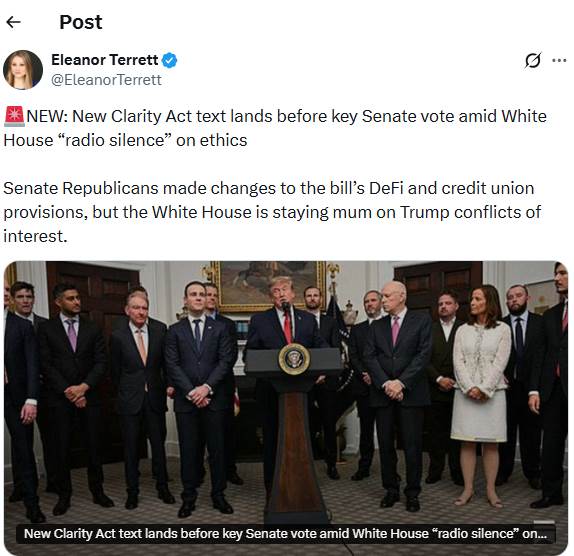
This approach brings certain decentralized financial activities closer to intermediation supervision. The text requires regulators to clarify the compliance obligations of those controlling regulated agreements. It also retains separate treatment of decentralized governance systems and incident response committees.
The revised bill also gives federal credit unions clear digital asset rights. They can use digital assets or distributed ledgers to engage in activities that are already allowed under existing laws. These activities are still subject to other applicable legal requirements.
The same chapter also extends similar authorities to insured credit unions and certain subsidiaries. This wording expands institutional participation but does not create a separate crypto banking license. Regulatory power remains with federal and state credit union regulators.
Updates to the CLARITY Act still face procedural obstacles
Procedural issues are independent of these technical amendments. Senate calendar records show that "termination debate" will apply to motions entering the review process, but this does not constitute final passage of the encryption bill.
Under Senate rules, three-fifths of sworn senators are typically required to propose closure debate on legislation. In the case of a full Senate, this threshold equals 60 votes. Therefore, the scheduled vote is aimed at testing whether the negotiations have generated enough bipartisan support.
The ethics clause remains another source of opposition. The latest draft still contains a separate section covering the ethical requirements of digital assets.
Senator Elizabeth Warren has previously criticized the Republican Party for loopholes in its moral language that involve the president's cryptographic interests. Subsequently, Warren and Senator Richard Blumenthal asked the Securities and Exchange Commission (SEC) to investigate the issuance of memecoin by President Donald Trump. In a letter dated August 4, they sought a review of possible fraud or unjust enrichment involving the coin.
Disputes over ethics and stablecoin earnings remain
The revised legislation also retains restrictions on stablecoin earnings. Article 10404 prohibits relevant parties from paying income solely because of holding a payment type stablecoin. It allows rewards based on qualifying activities, but these rewards cannot be economically equivalent to interest on bank deposits.
Banking groups continue to pressure senators for stricter language. The American Bankers Association and State Associations filed objections on September 10. They believe that certain rewards may still be similar to interest and draw deposits from community banks.
Their intervention shows why the issue of stablecoin gains is separated from the broader debate on market structure. Banking groups support clearer restrictions rather than lifting the ban. The issue remains unresolved until senators return to legislative work.
Treasury Secretary Scott Bessant urged senators on September 9 to continue negotiations. He called on lawmakers to support the motion to enter the review process. Basent believes failure could weaken U.S. digital asset policies and law enforcement tools.
CLARITY Act moves towards Senate vote on September 15
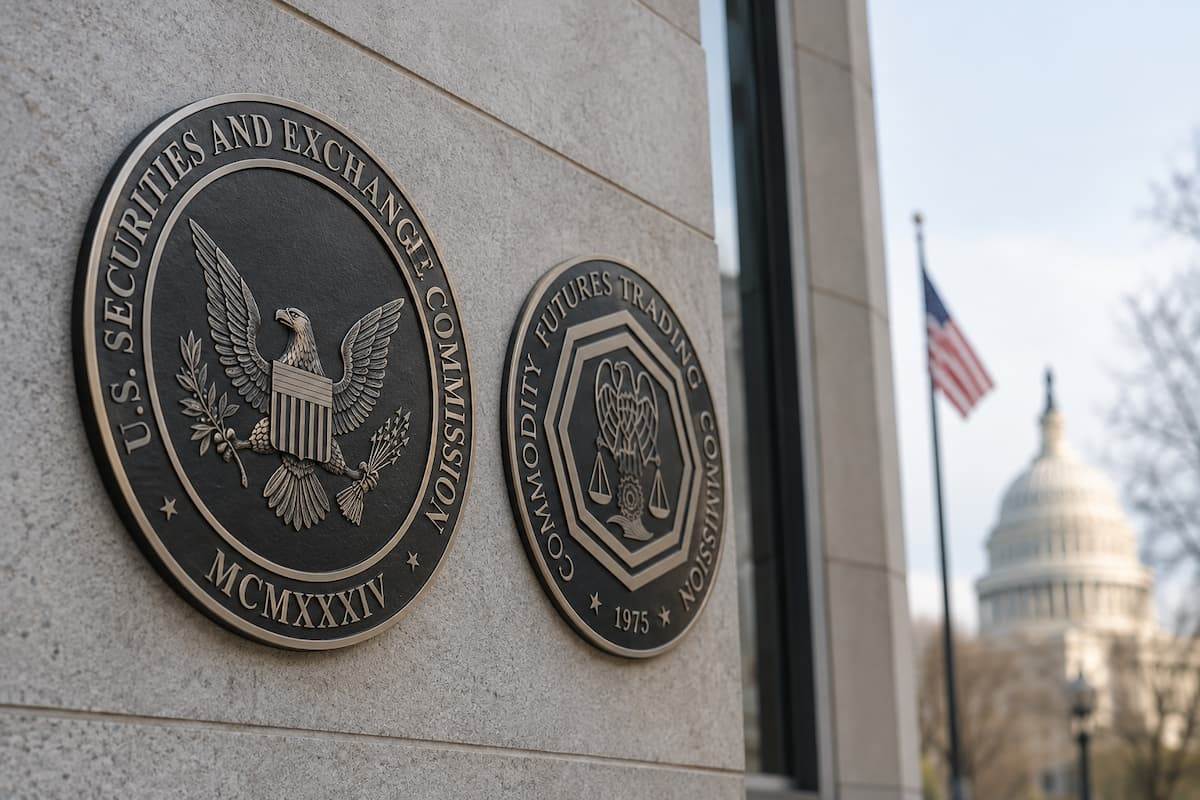
The legislative text will further divide the supervisory responsibilities of federal market regulators over digital assets. Its terms allocate new responsibilities between the Securities and Exchange Commission (SEC) and the Commodity Futures Trading Commission (CFTC). This division of labor is at the heart of the crypto bill's market structure framework.
Federal regulators have resolved some crypto asset classification issues through existing powers. In March this year, the SEC and CFTC released a framework clarifying how several types of crypto assets are handled. The two agencies said the guidelines did not change their legal powers.
The next verifiable milestone is the September 15 closing debate vote at 2:15 pm EST. If the senator invokes cloture, the debate will continue and negotiations on ethics and stablecoin gains will remain open. If the vote fails, the current motion will be blocked unless Senate leaders bring it back on the agenda.