Exchange Ranking
 Top Exchanges
 24h Volume Ranking
 Popularity Ranking
 Exchange BTC Balance
 Proof of Reserves
 Decentralized Exchanges
 Funding Rate
 Funding Heatmap
 Liquidation Data
 Max Pain
 Long/Short Ratio
 Whale L/S Ratio
 Binance/Okex/Huobi L/S
 Bitfinex Margin L/S
 ETF Tracker
 Solana ETF
 XRP ETF
 Hong Kong ETF
 Bitcoin Treasuries
 Crypto Reversal
 Ethereum Reserves
 HyperLiquid Wallet Analysis
 Hyperliquid Whale Watch
 Large Transactions
 On-chain Movement
 Bitcoin ROI
 Stablecoin Market Cap
 Options Analysis
 News
 Articles
 Economic Calendar
 Features
 Wallet
 Contract Calculator


 Security
 Collections
 Watchlist
 Following
 SOL
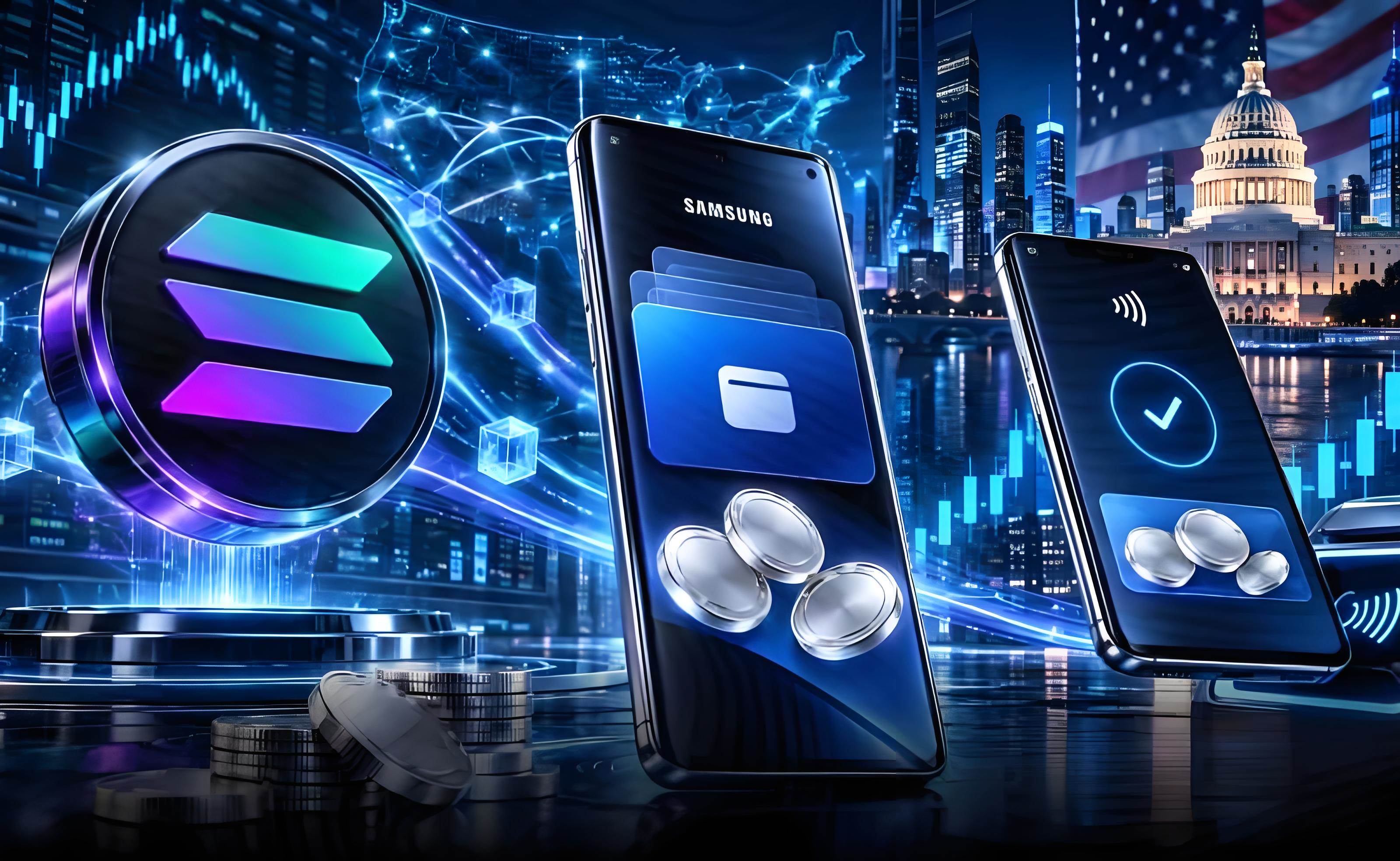
Samsung cooperates with Solana: 82 million devices may support stablecoin trading
According to news released by WatcherGuru on the X platform, Samsung is working with Solana to implement stablecoin trading functions on its devices. If the cooperation is confirmed, it will become one of the largest consumer hardware integration cases in the blockchain network. However, key implementation details have not yet been publicly disclosed.
Core Points
- Cooperation parties: Samsung and Solana announced a cooperation and plan to enable stablecoin trading on Samsung devices.
- Coverage: claims to cover 82 million devices, but has not yet announced a specific launch date or supported stablecoins.
- Details to be confirmed: Critical deployment information, including applicable regions, fee structure, hosting arrangements, and security architecture, remains unconfirmed.
Samsung and Solana announce support for stablecoin trading
News reported by WatcherGuru states that Samsung is working with the Solana blockchain to bring its stablecoin trading capabilities to its device ecosystem. The 82 million device data mentioned in the announcement will make this cooperation one of the most extensive hardware-level cryptocurrency integration projects announced to date.
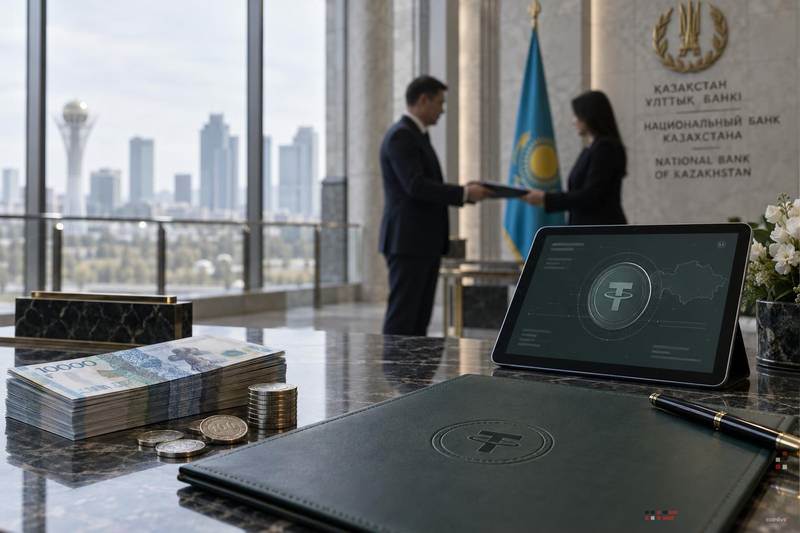
Stabiloins, a cryptocurrency designed to maintain a fixed value with assets such as the U.S. dollar, have become the focus of consumer payment partnerships. Due to its high transaction throughput and low-cost structure, the Solana network is often mentioned as an ideal candidate for such use cases. At the same time, Tether recently signed a memorandum of understanding (MoU) with the National Bank of Kazakhstan to explore a stablecoin framework, further demonstrating the broad interest of institutions in integrating stablecoins into established financial and consumer infrastructure.
As of writing, neither Samsung nor the Solana Foundation has issued official press releases. Apart from initial social media reports, the announcement has not yet been independently verified, and substantive details about the partnership structure remain unknown.
Why access rights to 82 million devices matter
This number means "distribution" rather than "adoption." Enabling stablecoin transactions on 82 million Samsung devices does not mean that 82 million users will actually trade; it means that these hardware already in the hands of consumers has corresponding technical capabilities. The gap between "having access capabilities" and "actual user adoption" is a question that no announced cooperation cannot answer in advance.
If device-level integration is achieved through native methods rather than third-party applications, it will reduce the frictional barriers that have historically restricted consumers 'use of cryptocurrencies. For example, native integration may involve hardware wallet functionality, biometric authentication tied to transaction signatures, and preloaded wallet infrastructure, although these specific details are not confirmed in this partnership.
For Solana, a consumer hardware collaboration of this scale will significantly expand its accessible user base far beyond current DeFi and NFT participants. However, the bearish view is that in previous hardware wallet and payment integrations by other manufacturers, consumer adoption of device-side stablecoin features has repeatedly been lower than expected.
Unsolved mysteries about the Samsung-Solana deployment
The announcement reportedly leaves a number of implementation questions unanswered. No launch date or timetable for phased rollouts has been disclosed. It is unclear which stablecoin assets (such as USDC, USDT, or others) are supported, the transaction channels or custody models that support this feature.
Geographical availability is also an outstanding factor. stablecoin payments face different regulatory treatment in different jurisdictions, which means that the global footprint of Samsung devices is not automatically equated with global availability. The fee structure, security architecture, and whether funds remain in a user-managed state or are transferred through a managed intermediary are additional details that determine the actual utility of the product.
Until official documents were released by Samsung or the Solana Foundation, this claim was based on a single social media report. Readers interested in this matter should wait for an official announcement from either party before reaching a conclusion on the scope or timetable of the cooperation. Broader stablecoin adoption efforts, such as rating agency coverage of the DeFi protocol, suggest that institutional and infrastructure interest in the space is real, but the gap from announcements to functional products in cryptocurrency cooperation is always an ongoing risk.