Exchange Ranking
 Top Exchanges
 24h Volume Ranking
 Popularity Ranking
 Exchange BTC Balance
 Proof of Reserves
 Decentralized Exchanges
 Funding Rate
 Funding Heatmap
 Liquidation Data
 Max Pain
 Long/Short Ratio
 Whale L/S Ratio
 Binance/Okex/Huobi L/S
 Bitfinex Margin L/S
 ETF Tracker
 Solana ETF
 XRP ETF
 Hong Kong ETF
 Bitcoin Treasuries
 Crypto Reversal
 Ethereum Reserves
 HyperLiquid Wallet Analysis
 Hyperliquid Whale Watch
 Large Transactions
 On-chain Movement
 Bitcoin ROI
 Stablecoin Market Cap
 Options Analysis
 News
News Articles
 Economic Calendar
 Features
 Wallet
 Contract Calculator


 Security
 Collections
 Watchlist
 Following
 SOL
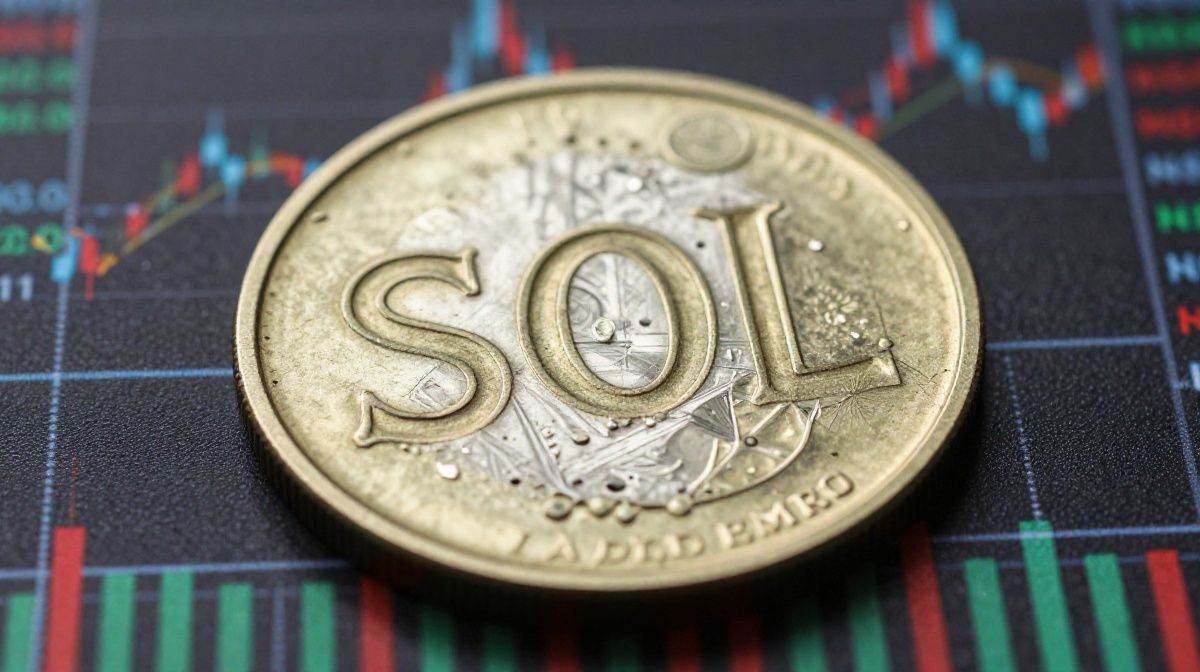
SOL Solana's inflation-reduction proposal is close to passage, with the majority vote
The Solana community is approaching a major adjustment to its online monetary policy. Governance proposal SGP-0002, which aims to accelerate the reduction of SOL's annual inflation rate, has reached a quorum, with the yes vote overwhelmingly leading the no vote.
Current voting status and next steps
According to the latest statistics, the proposal has received 112.03 million SOL votes in favor, accounting for 25.84% of the voting weight; the votes against were 24.01 million SOL (5.54%); and another 11.5 million SOL (2.65%) abstained. Voting is still in progress, with about a day and two hours before the deadline window closes.
If current trends continue and a quorum is maintained, the proposal will enter the implementation stage. This marks a significant shift in the way Solana manages the supply of tokens, which could affect pledge rewards and the overall network economy.
Understand SGP-0002
SGP-0002 aims to double the rate of decline in the SOL annual inflation rate. Under the current system, inflation would be reduced by 15% per year, but the proposal would instead be reduced by 30% per year. The goal is to reduce the volume of new token issuance more quickly, which could have an impact on supply dynamics and long-term value.
The proposal sparked active discussions among verifiers, pledgers and other community members. Proponents believe that accelerating issuance reduction is in line with the maturity of the network and can reduce the selling pressure brought by newly minted coins. However, critics have expressed concerns about the impact of pledge yields and believe that if pledges become less attractive, they may weaken network security.
What this means for SOL holders
For SOL holders and pledgers, the result of this vote may affect the actual return on the pledge. A deeper reduction in inflation means less new SOL is entering circulation, which could increase scarcity in the long run. But it also means that pledge rewards, partly from newly issued tokens, may be reduced earlier than originally planned.
The decision also reflects a broader trend in the crypto industry: mature networks are re-examining their monetary policies to adapt to changing market conditions. Solana's approach may provide a reference case for other proof-of-stake networks considering similar adjustments.
What happens after the vote
If the proposal is approved, implementation will not proceed immediately. The proposal outlines a phased roll-out plan that could involve code changes and network upgrades. The Solana Foundation and core developers need to coordinate with validators to ensure a smooth transition. No specific timetable has been announced, but such changes typically take months of testing and deployment.
Until then, the community will pay close attention to the final voting results. An overwhelming yes vote would signal a strong community consensus on a more deflationary path; a narrow margin could spark further debate and potential revision.
Conclusion
SGP-0002 represents a critical moment in Solana governance. With a quorum reached and the yes vote leading, the network appears ready to adopt a faster inflation-cutting plan. The ultimate decision lies in the hands of the community, and the results will have a lasting impact on SOL's supply, pledge economy, and the overall trajectory of the network.
FAQs
Q: What is the current inflation rate in SOL?
Solana's inflation rate starts at 8%, falling by 15% every year. If SGP-0002 is passed, the rate of decline will double to 30% per year, which means that inflation will fall faster over time.
Question: What is the voting mechanism in Solana governance?
Solana governance uses on-chain voting. SOL holders can vote directly or delegate voting rights to verifiers. Proposals need to reach a quorum-the minimum participation ratio of total supply-to be considered valid. The current quorum threshold is set at 33% of the total SOL supply.
Question: What happens if the proposal is not passed?
If SGP-0002 fails to reach a quorum or does not obtain a majority of the votes, the current inflation plan remains unchanged. Proposal authors or other community members may revise and resubmit the proposal at a later date.