Exchange Ranking
 Top Exchanges
 24h Volume Ranking
 Popularity Ranking
 Exchange BTC Balance
 Proof of Reserves
 Decentralized Exchanges
 Funding Rate
 Funding Heatmap
 Liquidation Data
 Max Pain
 Long/Short Ratio
 Whale L/S Ratio
 Binance/Okex/Huobi L/S
 Bitfinex Margin L/S
 ETF Tracker
 Solana ETF
 XRP ETF
 Hong Kong ETF
 Bitcoin Treasuries
 Crypto Reversal
 Ethereum Reserves
 HyperLiquid Wallet Analysis
 Hyperliquid Whale Watch
 Large Transactions
 On-chain Movement
 Bitcoin ROI
 Stablecoin Market Cap
 Options Analysis
 News
News Articles
 Economic Calendar
 Features
 Wallet
 Contract Calculator


 Security
 Collections
 Watchlist
 Following
 BTC
BTC  ETH
ETH Senate Democrats prepare to file a counter-proposal on the Republican Party's "final" CLARITY bill
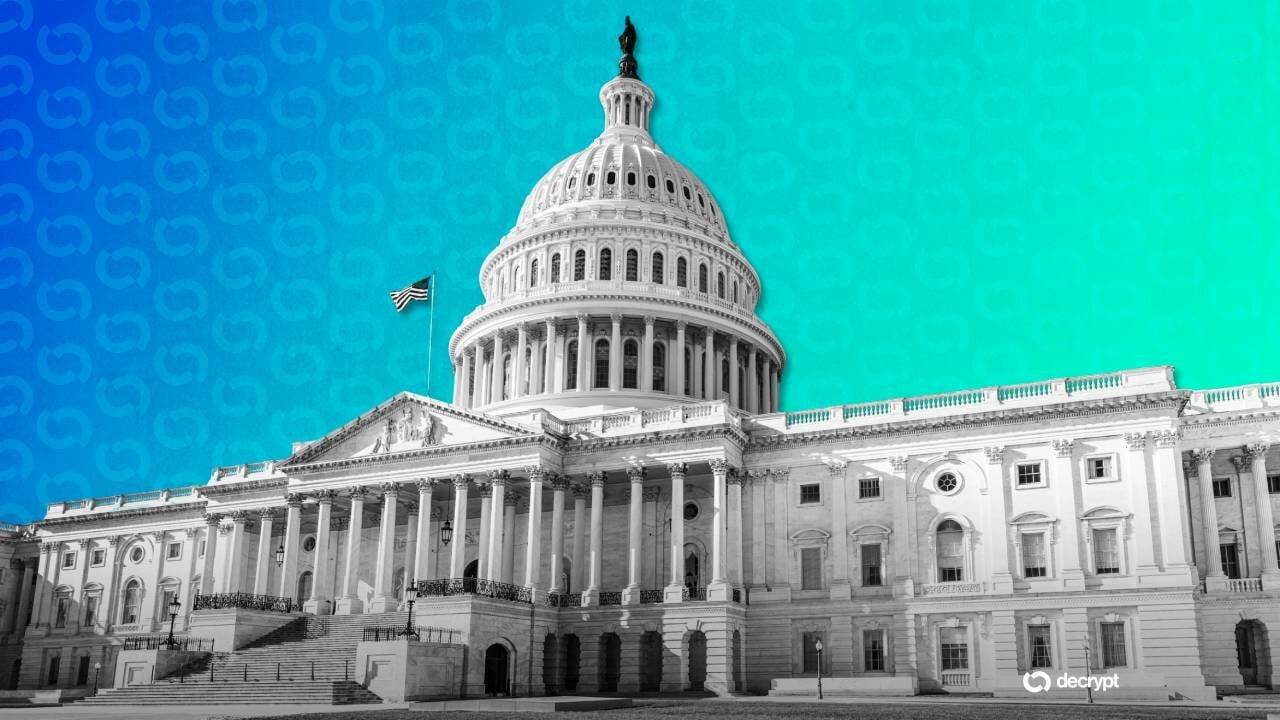
According to Politico, Senate Democrats plan to file a counter-proposal on the CLARITY bill to Republicans. The move follows a Republican offer that is seen as "final" and paves the way for last-minute negotiations ahead of the upcoming closing debate vote.
The move comes a day before a vote on a scheduled closing debate on a bill on the structure of the crypto market. The CLARITY Act is one of the most closely watched crypto legislation currently before Congress. The bill aims to clarify which federal agency-the Securities and Exchange Commission (SEC) or the Commodity Futures Trading Commission (CFTC)-has primary regulatory authority over digital asset markets. This jurisdictional issue has been around for years, resulting in a lack of clear compliance frameworks for exchanges, token issuers and custodians.
The bill received bipartisan support and passed the House earlier in the legislative session, but the process in the Senate is more cautious. Democrats have expressed concerns in previous negotiations about consumer protection provisions, anti-money laundering standards and how the bill will deal with stablecoin issuers within broader market structure rules. Republicans are pushing to finalize terms as soon as possible, positioning their latest offer as a final position rather than a preliminary proposal.
Legislative Process and Market Impact
A closing debate vote is scheduled to take place the day after the counter-proposal is expected to be delivered to determine whether the bill can reach the final vote in the Senate by limiting debate. This timetable shortens the window for the two sides to reconcile their differences. If Democrats 'new terms are rejected or ignored, closing debate votes may still fail to obtain the 60 votes normally needed to advance most Senate legislation.
This back-and-forth tug reflects the broader pattern facing this Congress in terms of digital asset policy. While support for clearer rules is bipartisan, differences remain on issues such as investor protection details, institutional authority and how existing securities laws apply to tokens. Industry groups lobbied for rapid passage of the bill, arguing that continued regulatory ambiguity could push innovation and trading activities into jurisdictions where established frameworks exist.
Market participants pay close attention to the CLARITY Act because its results will shape custody arrangements, exchange registration requirements and disclosure obligations for token issuers operating in the United States. A stalled or weakened bill could prolong the current period of regulatory uncertainty, affecting the way domestic companies build their operating models.
At present, Politico's reports and other coverage content do not detail the specific content of the Democratic Party's counter-proposal. It is unclear what terms Democrats are seeking to change, or whether Republicans will use the response as a basis for further negotiations. The results of the closing debate vote are expected to clarify whether negotiations continue or whether the bill faces longer delays before reaching the Senate podium.
Overall, given the bill's potential to formally regulate the regulation of exchanges, custodians and token issuers, the crypto market's response to the development of the CLARITY Act is cautiously optimistic. If the closing debate vote is delayed or failed, it could lead to longer existing uncertainty about which federal agency oversees specific digital asset activities. Previously, industry participants have listed this uncertainty as a factor in deciding where to list tokens or set up trading operations at headquarters.
Investors and companies tracking legislation may closely watch the closing debate vote as a signal to determine whether a bipartisan compromise can still be achieved this session. Any further delay could push the bill's timetable into subsequent legislative calendars, extending the waiting period for businesses before receiving clearer federal guidance. The upcoming closing debate vote will show whether Senate Democrats and Republicans can bridge remaining differences on the CLARITY Act as the legislative window narrows further.
FAQs
What is the CLARITY Act?
This is proposed federal legislation that aims to clarify which regulatory agency (the SEC or CFTC) is responsible for overseeing different types of digital asset activity in the United States.
What are Senate Democrats proposing?
According to Politico, Senate Democrats plan to send Republicans a counter-proposal in response to what is described as the "final" Republican offer before a scheduled vote on closing debate.
What happens if the closing debate vote fails?
A failed closing debate vote would prevent the bill from advancing to a final vote in the Senate under normal procedures, potentially delaying any resolution of the market structure debate.
Why is this important for the crypto market?
The bill would establish federal rules for exchanges, custodians, and token issuers whose passage or delay would affect the regulatory certainty on which companies rely to operate in the United States.