Exchange Ranking
 Top Exchanges
 24h Volume Ranking
 Popularity Ranking
 Exchange BTC Balance
 Proof of Reserves
 Decentralized Exchanges
 Funding Rate
 Funding Heatmap
 Liquidation Data
 Max Pain
 Long/Short Ratio
 Whale L/S Ratio
 Binance/Okex/Huobi L/S
 Bitfinex Margin L/S
 ETF Tracker
 Solana ETF
 XRP ETF
 Hong Kong ETF
 Bitcoin Treasuries
 Crypto Reversal
 Ethereum Reserves
 HyperLiquid Wallet Analysis
 Hyperliquid Whale Watch
 Large Transactions
 On-chain Movement
 Bitcoin ROI
 Stablecoin Market Cap
 Options Analysis
 News
 Articles
 Economic Calendar
 Features
 Wallet
 Contract Calculator


 Security
 Collections
 Watchlist
 Following
 BTC
库斯蒂迪亚银行CEO凯特琳·朗警告:代币化存款可能超越稳定币
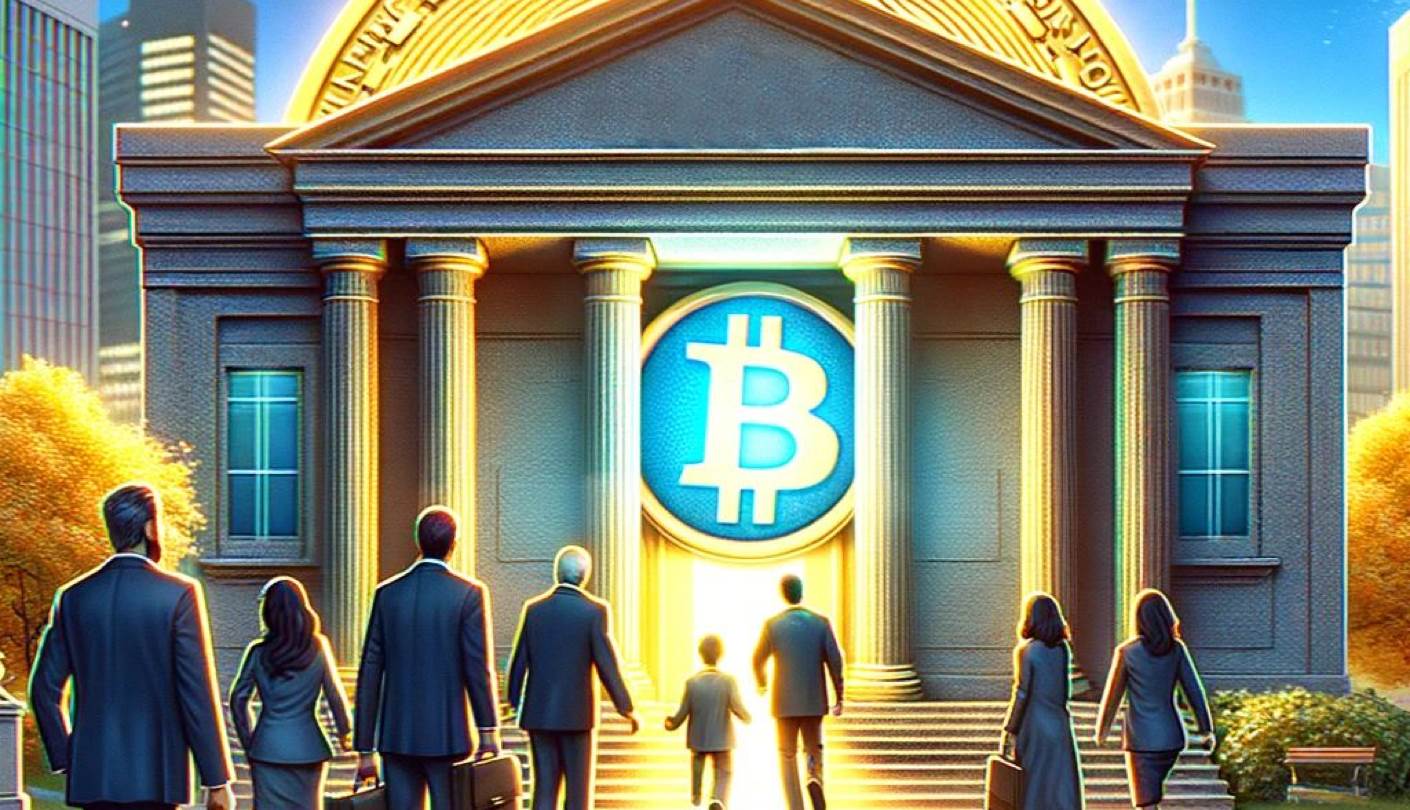
作为库斯蒂迪亚银行(Custodia Bank)的创始人兼首席执行官,凯特琳·朗(Caitlin Long)对稳定币的未来提出了诸多质疑。随着代币化银行存款在金融行业和监管层面前受到越来越多的关注,她认为这一趋势将对市场格局产生深远影响。
稳定币与传统银行存款的对比
朗指出,目前稳定币市场的价值约为3000亿美元,这一数字远小于银行业中持有的5.7万亿美元传统活期存款。她强调,尽管稳定币已在数字资产领域站稳脚跟,但将代币化存款引入主流银行业务,可能预示着更广泛、更深刻的变革。
所谓“代币化存款”,是指由受监管银行发行并担保的资金数字化表现形式。这与通常锚定法定货币或其他资产、且不一定在传统银行框架内管理的稳定币有着本质区别。
概念解析:代币化银行存款
代币化银行存款(亦称代币化存款)是指在受监管银行持有的、可主张资金的数字化代币。这些代币可以在区块链网络上进行转移和结算,提供实时交易速度和更高的透明度,同时由银行系统中的传统存款作为支持。
Lang said that by integrating U.S. dollar tokenization into the existing financial system and taking advantage of banks 'huge deposit bases, it may "squeeze out" market space for stablecoins. She emphasized that the importance of this integration process may even outweigh the rise of stablecoins themselves.
Kustidia Bank is a Wyoming based financial institution focused on digital assets known for advocating regulatory clarity in cryptocurrencies and providing professional services to institutional clients.
Regulatory motivation and official views
Lang explained that U.S. Treasury officials support dollar tokenization as a way to maintain supervision and control of digital currencies. According to her, the Fed is cautious about the tokenization trend, reflecting concerns about potential risks and their impact on the broader monetary system.
Lang described this scenario as follows: "The size of stablecoins is about US$300 billion, but considering the US$5.7 trillion in regular demand deposits, the movement to tokenize these funds could become a bigger development. The challenge is whether stablecoins will gradually lose importance if deposit tokenization becomes popular."
She further outlined the current regulatory environment, citing new policy initiatives such as GENIUS Act rules designed to address the use and transparency of digital assets in the banking industry. Lang observed that regulators want tokenized deposits to provide the benefits of blockchain efficiency while keeping digital finance within established regulatory boundaries.
Community banks and large institutions reportedly hold different views on deposit migration, and the debate about deposit losses and competitive pressure on small banks continues.
Macroeconomic impact of digital assets
Talking about macroeconomic issues, Lang pointed out that the Treasury Department's desire to promote dollar tokenization is a strategy to strengthen supervision and management of U.S. government debt demand. The Fed's approach has been described as deliberately slow, and officials are assessing the long-term consequences of the new deposit model and its impact on financial stability.
Lang also commented on the "digital gold" narrative surrounding Bitcoin, suggesting that despite market uncertainty, retail and institutional investors are increasingly using Bitcoin as a long-term store of value.
Lang said that fluctuations in the treasury bond market, changes in monetary policy and advances in artificial intelligence are also putting pressure on existing banking models. She cited historical events, such as past Fed policy shifts, as analogies to highlight potential risks in the evolution of the financial system.
Currently, discussions are ongoing in regulatory and industry circles on how to best balance digital asset innovation, ensure financial stability, and clarify the rules for new digital currencies.