Exchange Ranking
 Top Exchanges
 24h Volume Ranking
 Popularity Ranking
 Exchange BTC Balance
 Proof of Reserves
 Decentralized Exchanges
 Funding Rate
 Funding Heatmap
 Liquidation Data
 Max Pain
 Long/Short Ratio
 Whale L/S Ratio
 Binance/Okex/Huobi L/S
 Bitfinex Margin L/S
 ETF Tracker
 Solana ETF
 XRP ETF
 Hong Kong ETF
 Bitcoin Treasuries
 Crypto Reversal
 Ethereum Reserves
 HyperLiquid Wallet Analysis
 Hyperliquid Whale Watch
 Large Transactions
 On-chain Movement
 Bitcoin ROI
 Stablecoin Market Cap
 Options Analysis
 News
News Articles
 Economic Calendar
 Features
 Wallet
 Contract Calculator


 Security
 Collections
 Watchlist
 Following
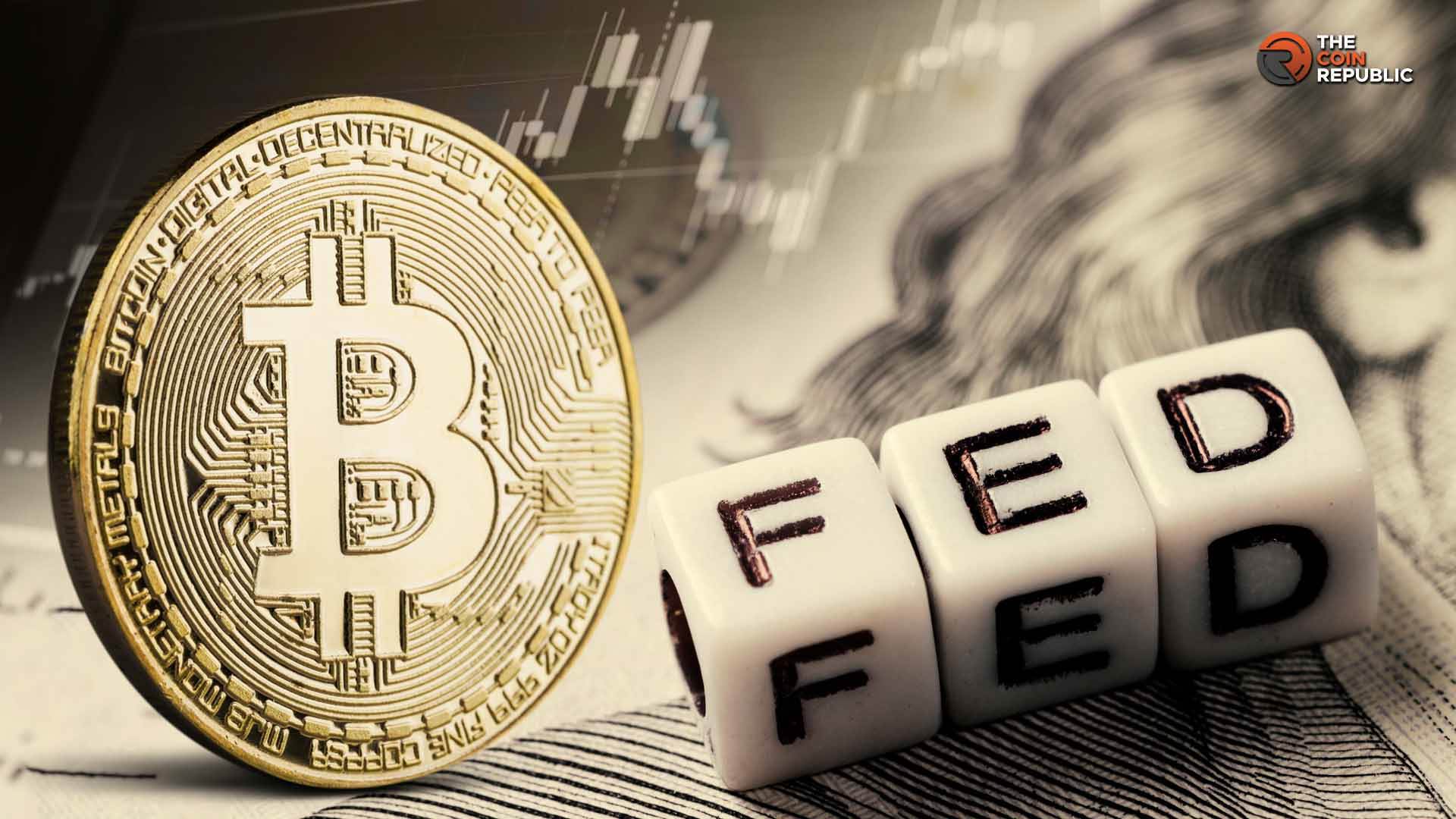
The U.S. CPI rose 0.4% month-on-month in August, core inflation climbed, and expectations for interest rate hikes warmed up.
The U.S. consumer price index (CPI) rose 0.4% month-on-month in August, accelerating from the 0.1% increase in July, in line with the Dow Jones Consensus forecast. Annual inflation data was also in line with market expectations, with overall prices rising 3.4% year-on-year. The release of the latest data comes on the eve of the Federal Reserve's policy meeting, where markets expect the central bank to decide whether to adjust the benchmark interest rate.
Core inflation and inflationary pressures
Core CPI, which excludes volatile food and energy categories, rose 0.3% month-on-month in August, higher than economists 'expectations of 0.2% and higher than July's 0.2% increase. From an annual perspective, core inflation fell slightly back to 2.4%, which was in line with forecasts but still above the Fed's target.
The monthly rise in core prices has intensified calls for tighter monetary policy. Fed officials continue to monitor for signs of persistent inflation before making their next decision. The outcome of the upcoming Federal Reserve meeting, which ends on Wednesday, is seen as a key indicator of the central bank's policy stance.
Gasoline and energy prices drove overall increases
Energy costs were the main driver of overall inflation in August, with gasoline prices soaring 3.9% during the month, accounting for more than one-third of the total increase in consumer prices. The broad energy index rose sharply by 2.1% in August, 16.3% higher than the same period last year.
Food prices remained relatively stable, with the food index rising only slightly by 0.1%, unchanged from the previous month, with household food prices remaining unchanged. However, the combination of stubborn core inflation and high energy costs has further complicated the policy outlook facing the Fed.
Stock market futures initially responded positively to the data, with S & P 500 futures rising 0.5% and Nasdaq futures rising 0.7%. However, market participants remain closely watching the possibility of rising interest rates.
Following the release of the producer price index (PPI) last week, traders raised the probability of a 0.25 percentage point rate hike at the next meeting of the Federal Reserve to more than 73%, according to data from CME Group's FedWatch tool.
Brent crude oil prices remained above US$100 a barrel amid escalating geopolitical tensions involving Iran, further fueling concerns that higher input prices would ripple into the wider economy.
Mini Dictionary: CME FedWatch--A widely used future-based tool that helps traders assess expectations for future policy decisions of the U.S. Federal Reserve system, especially interest rate movements.
Economists call for action as inflation risks increase
Joseph Brusuelas, managing director and chief economist at RSM America, emphasized that recent inflation readings suggest the Fed needs to take more stringent policy measures. He not only mentioned rising oil and diesel prices, but also pointed to the combined impact of war-driven energy shocks, tariffs and increased demand for commodities from investment in artificial intelligence.
Bruselas believes that the ongoing impact from energy, tariffs and commodities extracted for artificial intelligence infrastructure is strengthening the inflationary effect in the U.S. economy, affecting costs in everything from groceries to transportation.
He called on policymakers to move beyond traditional methods of responding to supply shocks, noting that continued increases in gasoline, diesel and jet fuel prices are being passed on to consumer and service industry prices nationwide.
Concerns about the credibility of the Fed
Brusielas said that given strong economic growth and corporate profits, the Fed should reverse the three interest rate cuts implemented at the end of 2025 and focus on curbing demand. He pointed out that nominal GDP growth in the second quarter exceeded 6%, and the deficit to GDP ratio exceeded 6%, which are signs of overheating.
He warned that leaving interest rates unchanged after the latest data is released and in the face of expected upcoming inflation readings could damage the Fed's credibility with market participants.
While acknowledging that the decision requires a delicate balance, Bruselas believes that the current inflation pattern leaves little room for policymakers to view shocks as temporary. The central bank's next move will reflect whether officials view these pressures as short-lived phenomena or as entrenched evidence of inflation.