Exchange Ranking
 Top Exchanges
 24h Volume Ranking
 Popularity Ranking
 Exchange BTC Balance
 Proof of Reserves
 Decentralized Exchanges
 Funding Rate
 Funding Heatmap
 Liquidation Data
 Max Pain
 Long/Short Ratio
 Whale L/S Ratio
 Binance/Okex/Huobi L/S
 Bitfinex Margin L/S
 ETF Tracker
 Solana ETF
 XRP ETF
 Hong Kong ETF
 Bitcoin Treasuries
 Crypto Reversal
 Ethereum Reserves
 HyperLiquid Wallet Analysis
 Hyperliquid Whale Watch
 Large Transactions
 On-chain Movement
 Bitcoin ROI
 Stablecoin Market Cap
 Options Analysis
 News
 Articles
 Economic Calendar
 Features
 Wallet
 Contract Calculator


 Security
 Collections
 Watchlist
 Following
 BTC
 ETH
泰国敲定11项法规,允许比特币和以太坊ETF在主要证券交易所上市
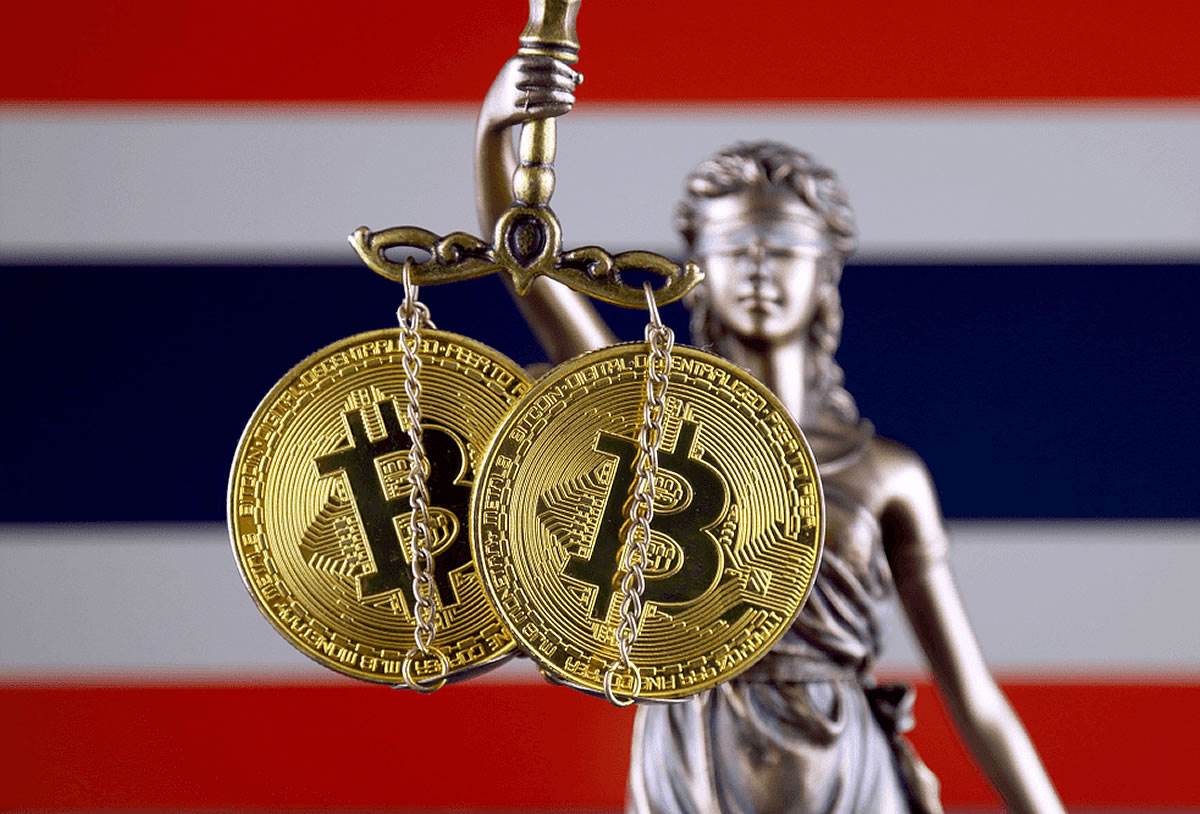
泰国已正式确定11项监管规定,允许比特币(Bitcoin)和以太坊(Ether)交易所交易基金(ETF)在其主要证券交易所上市。新规将于2026年10月16日正式生效。
核心要点摘要
- 泰国已完成相关法规制定,允许比特币和以太坊ETF在该国证券交易所进行交易。
- 10月16日标志着泰国新的加密货币ETF框架及投资者保护措施的生效日期。
- 每只符合条件的ETF每年平均必须有至少80%的仓位投资于单一加密货币。
- 泰国券商不得为加密货币ETF提供保证金贷款,也不得向零售客户销售海外替代品。
监管框架与初始阶段限制
泰国证券交易委员会(SEC)于10月8日宣布了这一框架,确认本地设立的加密货币ETF将在泰国证券交易所(SET)独家交易。在初始阶段,仅比特币和以太坊符合资格。基金经理必须满足新的投资、托管及投资者保护要求。
The rules are designed to give Thai investors indirect access to the two cryptocurrencies through regulated securities products without having to directly purchase or store digital assets. It should be noted that the October 16 effective date does not mean that individual ETFs will start trading on that day, as fund managers must first meet applicable requirements.
Position ratios and passive investment strategies
Under the approved framework, each cryptocurrency ETF must operate as a passive investment fund designed to track the price movements of its underlying cryptocurrency. The SEC requires funds to have an average net exposure to a single eligible cryptocurrency no less than 80% of their net asset value during each fiscal year.
In the first phase, regulators only allowed investments in Bitcoin and Ethereum. Whether to add other currencies in the future will depend on factors such as liquidity, market acceptance, blockchain network security and investor protection standards.
Asset management companies and custody requirements
Asset management companies seeking to establish such funds must demonstrate that they have qualified employees, adequate operating systems, and appropriate arrangements with service providers. The application must comply with the governing rules of ordinary ETFs and meet additional requirements for digital assets.
The SEC requires cryptocurrency ETFs to deposit fund assets in a licensed and regulated digital asset custodian in Thailand. Although fund managers can outsource digital asset investment management, they can only outsource it to companies holding appropriate digital asset fund management licenses.
托管提供商和其他合格的数字资产企业可根据《泰国证券交易法》第121条申请成为加密货币ETF的监督方。申请人必须证明其具备足够的财务资源、合格的人员和运营系统。框架允许监督方任命次级托管人,前提是任何数字资产托管服务必须由持牌托管人执行。SEC保留了在未来认为适当时允许合格海外托管人的可能性。
零售投资者的限制与保护措施
尽管国内加密货币ETF符合上市资格,但在初步推出期间,泰国当局对外国产品的访问保持限制。证券公司不得为非机构或非超高净值客户的客户提供海外加密货币ETF的投资便利。泰国禁止发行和销售与外国加密货币ETF挂钩的替代产品,包括存托凭证。
即使外国产品追踪的是比特币或以太坊,该限制依然适用,SEC保留国内上市渠道供本地设立的基金使用。与此同时,泰国的共同基金和私募基金将被允许投资于国内加密货币ETF。此前,在适用投资规则的约束下,这些基金可以投资于外国加密货币ETF。
The SEC confirmed that existing investment restrictions will continue to apply when mutual funds and private equity funds purchase locally established products. For retail customers who purchase cryptocurrency ETFs on SET, brokers must explain the characteristics and risks of the product before trading. Investors need to confirm that they understand these risks, and fund issuers must disclose detailed information about investment structures, service providers and custody arrangements.
In addition, regulators prohibit securities companies from providing margin loans to purchase cryptocurrency ETFs. Brokers must advise clients on asset allocation, avoid excessive exposure to digital assets, and choose investments that are consistent with their risk tolerance.
Industry Reaction and Market Preparation
Digital asset companies operating in Thailand expressed support for new products after the regulatory announcement. Attakrit Chimphlapibul, co-founder of Bitkub Group, pointed out that U.S. spot Bitcoin and Ethereum ETF have created new ways for institutional and retail investors to access cryptocurrencies. He believes that Thailand's framework could provide opportunities for local asset managers, custody providers and other financial institutions to participate in cryptocurrency ETF operations, but the actual results will depend on the readiness of operators and the response of investors.
Bitkub Online, which operates the Bitkub exchange, said it is ready to support trading activities by asset management companies planning to issue Bitcoin and Ethereum ETFs, provided it complies with applicable regulations. Binance TH by Gulf Binance CEO Nirun Fuwattananukul welcomed the regulatory decision and said the company will fully support fund issuance through liquidity services and cooperation with asset management companies.
The Digital Assets Association of Thailand raised concerns about investor participation. Its chairman, Nares Laopannarai, said institutional and traditional stock market investors have limited interest in digital assets and ETFs have not yet attracted a lot of popularity in Thailand. The association intends to encourage asset management companies, brokerages and digital asset companies to strengthen cooperation in cryptocurrency ETFs and tokenized investment products.
Background of Regulation Implementation
The implementation on October 16 is the result of several months of work by Thailand's securities regulator on cryptocurrency investment products. In January this year, Deputy Secretary-General Jomkwan Kongsakul outlined plans to finalize Thailand's domestic cryptocurrency ETF framework in 2026. At the time, authorities were preparing detailed rules covering investment structure and operations.
Subsequently, in February, Thailand expanded its legal framework for cryptocurrency derivatives to recognize digital assets such as Bitcoin as qualifying basic instruments for regulated futures and options contracts. The SEC later proposed allowing retail customers access to certain overseas cryptocurrency derivatives through licensed intermediaries, and the public consultation ended on September 30.
The October 8 announcement confirmed the completed cryptocurrency ETF regulations, including rules on fund establishment, outsourcing, custody and securities trading. The framework was issued through five notices from the Capital Markets Supervisory Committee and six notices from the SEC Office. These include Sor Nor. Notice No. 15/2569 clarifies the types of qualified cryptocurrencies that cryptocurrency ETFs can invest in. The remaining notices cover fund management, prospectus disclosure, customer services, supervision and margin lending.
Currently, the SEC's announcement has not yet determined the approved ETF issuer, the exact trading start date or the stock code of the first batch of products. Asset managers seeking to introduce Bitcoin or Ethereum ETFs must comply with the requirements after the regulations take effect.