Exchange Ranking
 Top Exchanges
 24h Volume Ranking
 Popularity Ranking
 Exchange BTC Balance
 Proof of Reserves
 Decentralized Exchanges
 Funding Rate
 Funding Heatmap
 Liquidation Data
 Max Pain
 Long/Short Ratio
 Whale L/S Ratio
 Binance/Okex/Huobi L/S
 Bitfinex Margin L/S
 ETF Tracker
 Solana ETF
 XRP ETF
 Hong Kong ETF
 Bitcoin Treasuries
 Crypto Reversal
 Ethereum Reserves
 HyperLiquid Wallet Analysis
 Hyperliquid Whale Watch
 Large Transactions
 On-chain Movement
 Bitcoin ROI
 Stablecoin Market Cap
 Options Analysis
 News
 Articles
 Economic Calendar
 Features
 Wallet
 Contract Calculator


 Security
 Collections
 Watchlist
 Following
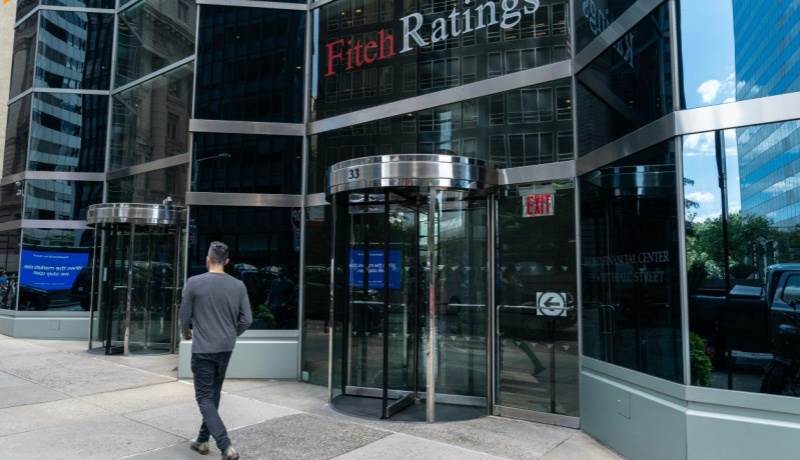
A new wave of concerns has arisen within the traditional American financial sector. Fitch Ratings has issued a warning: U.S. banks are becoming increasingly involved in digital assets, and this trend could pose “substantial risks.” With Bitcoin prices fluctuating wildly, stablecoins undergoing rapid regulation, and Wall Street institutions continuing to expand their exposure to cryptocurrencies, rating agencies are particularly concerned. This concern is especially valid for banks that rely too heavily on cryptocurrency-related revenues. Fitch even indicated that it might need to reevaluate the credit ratings of such banks. As the boundaries between traditional banks and the crypto world become increasingly blurred, risks and opportunities are being redefined.
Common Questions
● Why do U.S. banks enter the field of digital assets?
They see potential for increased fee income and efficiency from custody and trust services.
● What risks does Fitch identify for banks?
Volatility in the crypto market could damage a bank’s credit status and reputation during periods of low activity.
● How do U.S. regulations affect adoption?
Laws like GENIUS and CLARITY have contributed to mainstream adoption, but strict security controls are still necessary.
● Why is the stablecoin market a focus of global attention?
A surge of $2 trillion could put pressure on U.S. government bonds and affect global financial stability.
Regulatory acceptance drives mainstream adoption
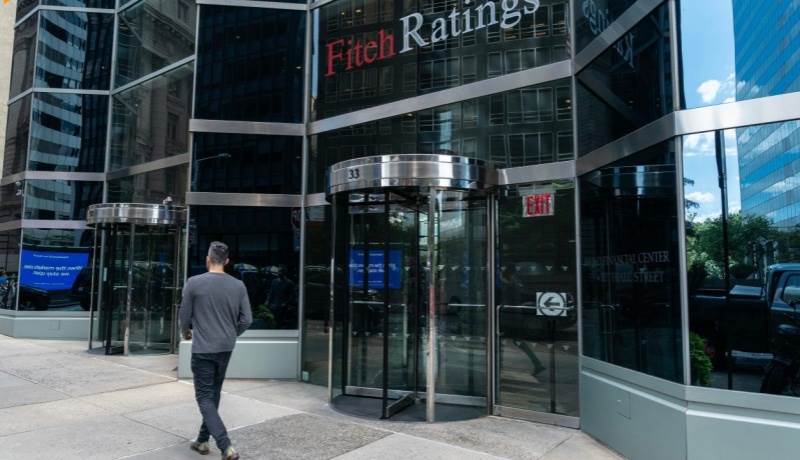
The US banking industry has recently expanded its involvement in digital asset ecosystems, attracted by the promising fee income and improved operational efficiency offered by these products. However, compared to broader markets, the high volatility of digital assets poses significant risks, potentially jeopardizing the creditworthiness of institutions that are overly exposed to such assets, according to Fitch Ratings.
While US banks can earn profits through new products such as trust and custody services, Fitch notes that associating themselves with such unstable asset classes may increase their reputational risks. Even indirect exposure to unstable assets can weaken a bank’s ability to fulfill its obligations during market crashes.
Despite these risks, the regulatory environment in the US has changed, paving the way for the adoption of digital assets. Major institutions such as JPMorgan Chase, Bank of America, Citibank, and Wells Fargo have announced plans to engage in digital assets, indicating their intention to gain market share, Fitch points out. At the same time, cryptocurrency companies are seeking federal trust banking licenses, further blurring the boundaries between traditional finance (TradFi) and decentralized finance (DeFi).
A key factor driving this trend is the stablecoin market, which currently values at $265 billion. Treasury Secretary Scott Bessent predicts that this market could grow to an astonishing $2 trillion, a figure that Fitch believes significantly increases the risks to the financial system.
Critics argue that since stablecoin reserves are largely invested in U.S. government bonds, a large-scale collapse of stablecoins could force issuers to sell billions of dollars worth of government bonds in the market under pressure. Such a sudden sell-off could significantly impact the global financial system, particularly the bond markets, and potentially exacerbate market pressures within the broader financial system.
Although the GENIUS and CLARITY bills provide a regulatory framework, banks still face significant operational and security challenges before they can fully benefit from these measures, according to Fitch. This includes managing the volatility of cryptocurrencies and protecting digital assets from loss or theft, especially regarding the security of private cryptographic keys.
The Fitch report concludes that, despite strong demand for digital assets, the rating agency may need to reevaluate the business models and risk profiles of U.S. banks that invest heavily in digital assets.