Exchange Ranking
 Top Exchanges
 24h Volume Ranking
 Popularity Ranking
 Exchange BTC Balance
 Proof of Reserves
 Decentralized Exchanges
 Funding Rate
 Funding Heatmap
 Liquidation Data
 Max Pain
 Long/Short Ratio
 Whale L/S Ratio
 Binance/Okex/Huobi L/S
 Bitfinex Margin L/S
 ETF Tracker
 Solana ETF
 XRP ETF
 Hong Kong ETF
 Bitcoin Treasuries
 Crypto Reversal
 Ethereum Reserves
 HyperLiquid Wallet Analysis
 Hyperliquid Whale Watch
 Large Transactions
 On-chain Movement
 Bitcoin ROI
 Stablecoin Market Cap
 Options Analysis
 News
 Articles
 Economic Calendar
 Features
 Wallet
 Contract Calculator


 Security
 Collections
 Watchlist
 Following
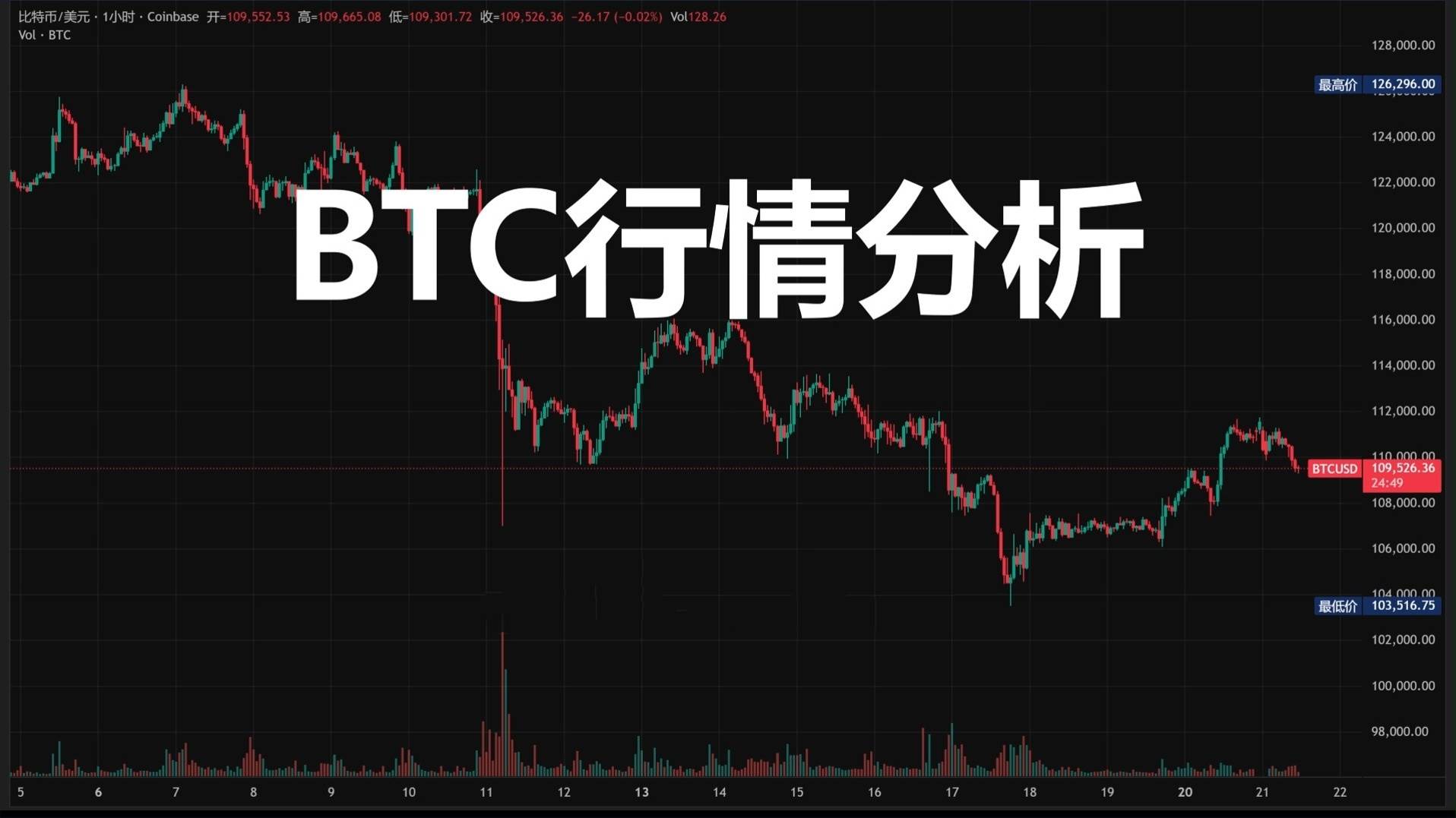
Just yesterday, Federal Reserve Board member Christopher Waller’s words triggered a surge in the value of Bitcoin—it jumped to $112,413 within 24 hours. The market value of the entire crypto industry reached over $4.6 trillion!
Waller said at the Payment Innovation Conference, “Payment methods are constantly evolving, and the Federal Reserve must keep up.” He revealed that the Federal Reserve is introducing a new type of account called the “simplified master account.” This account allows fintech and crypto companies to directly access the Federal Reserve’s payment system, eliminating the need for intermediaries like banks. This means that crypto companies in the United States will enjoy unprecedented convenience when it comes to payments and settlements, which has greatly excited the market.

First, a groundbreaking initiative: the Federal Reserve’s “limited access” accounts.
The “simplified master account” is essentially a payment account with limited permissions. While it allows non-bank institutions to access the system directly, it also sets clear limits on their capabilities.
This carefully crafted balance reflects the Federal Reserve’s careful balance between encouraging innovation and preventing risks.
Compared to traditional bank master accounts, this new type of account has distinct advantages.

Waller clearly stated during his speech, “This isn’t a traditional master account. It’s a specialized tool designed to meet the needs of specific institutions.” This statement suggests that the Federal Reserve may have realized that excluding non-bank institutions from the payment system entirely no longer meets the needs of financial systems.
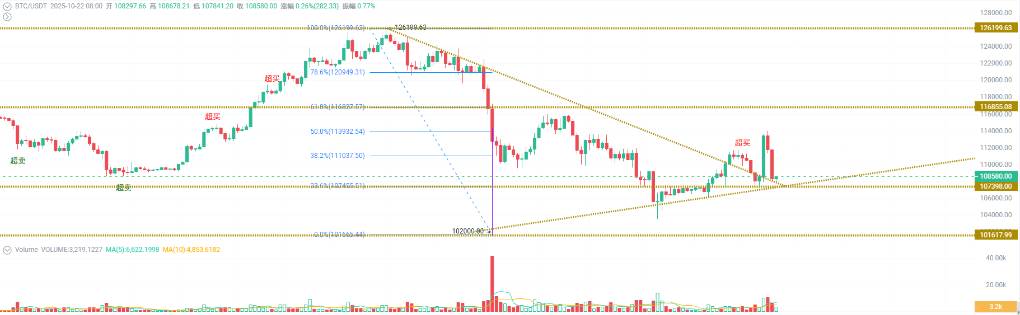
II. Immediate Reactions: The frenzy and rationality in the crypto market after the announcement of these news items were both intense and complex. Bitcoin prices skyrocketed by $3,000 within 15 minutes of the news being reported, and within an hour, it exceeded the $112,000 mark.
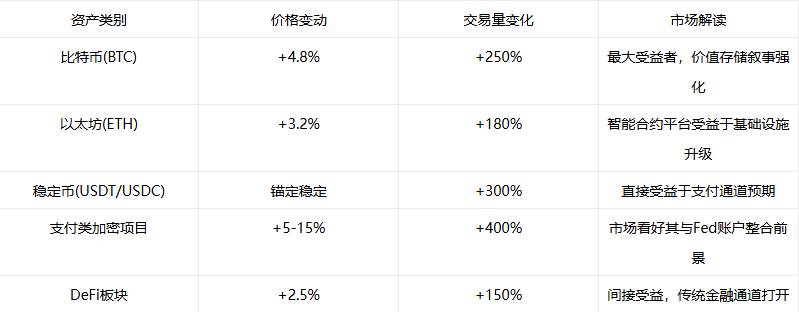
Different sectors of the market responded differently:
"This isn’t simply a situation where all positive factors have been exhausted," said Li Mingyuan, analyst at Pantera Capital, a crypto fund management firm."What we’re seeing is the market re-evaluating the relationship between crypto assets and traditional financial systems,"he added.
Data from CryptoQuant, a provider of blockchain-related information, shows that within one hour after the news was announced, only 850 Bitcoins flowed into exchanges, far below expectations. This indicates that large holders are reluctant to sell their assets.
Meanwhile, the Bitcoin Fear-Greed Index rose sharply from 68 yesterday to 82, entering the "extremely greedy" zone.
III. Far-reaching Consequences: Reconstructing the Financial Ecosystem
The Fed’s decision could become a historic turning point in the evolution of financial infrastructure.
For the crypto industry, this means that it has finally received official approval for using the Fed’s payment system. For a long time, companies like Kraken and Ripple have been striving to gain access to the Fed’s system directly. Some even filed lawsuits against the Fed.
“We have always known that there is a large but low-profile faction within the Federal Reserve that supports us,” said Caitlin Long, CEO of Custodia Bank, in response to this matter. “I’m glad to see that Governor Weller has openly acknowledged this.”
More specifically, this change could have profound effects at three levels:
● Payment Efficiency Revolution: Once crypto companies are able to access the Federal Reserve’s payment system, the settlement efficiency of stablecoins could improve from hours to minutes, or even seconds. Ripple Labs’ lead developer stated, “This could change the way we handle cross-border payments.”
● Reduced Regulatory Arbitrage: The regulatory disparities between traditional banks and crypto companies will be reduced, creating a more fair competitive environment.
● Accelerated Innovation: Fintech and crypto companies can now innovate their products in a predictable regulatory environment, without having to worry about the uncertainties of payment channels.
The actions of the Federal Reserve have also triggered complex reactions from traditional banks. An unnamed Wall Street bank executive said, “We understand the need for innovation, but we hope that regulations will ensure a fair competitive environment.”
Fourth, Market Perspectives: From Doubt to cautious Acceptance
There are various perspectives on the Federal Reserve’s actions.
● Spencer Bogart, partner at Blockchain Capital, pointed out: “This could be the most significant fundamental positive for the crypto market since 2023. It not only reduces operational costs, but also gives crypto assets legitimacy within the traditional financial system.”
● Anthony Pompliano, co-founder of Morgan Creek Digital, said: “ ‘The Federal Reserve has actually recognized the importance of the crypto financial ecosystem. This is a key turning point in regulatory attitudes, from rejection to acceptance.’”
● David LaValle, head of research at Graycliff Investments, is more cautious: “ Investors should understand that this is still a prototype concept. The details and timeline for implementation remain unclear. The market may have priced this news too highly.”
● Ryan Selkis, CEO of Messari, offered a technical perspective: “ From a systems architecture standpoint, this means that the Federal Reserve is opening up its payment infrastructure to non-bank institutions, similar to how the internet transitioned from a closed network to an open protocol.”
● Overall market sentiment has shifted from cautious observation a month ago to cautious optimism. Data from the options market shows that the number of open positions in Bitcoin call options increased by 40% after the announcement. The strike prices are concentrated between $120,000 and $130,000.
V. Forward Path: Key Challenges from Concept to Implementation
The Federal Reserve’s proposal still faces many implementation challenges, and the future development path requires close attention.
1. Regulatory approval hurdles:According to the U.S. Administrative Procedures Act, such significant policy changes require a public comment period. It is expected that hundreds of organizations will submit their opinions. The Federal Reserve then needs to consider these feedbacks and make adjustments to its plans. This process could take 6 to 9 months.
2. Technical integration challenges: The Fedwire payment system was established in the 1970s, and its last major update was in 2012. Integrating it with blockchain systems involves addressing a series of technical issues, including transaction finality, settlement time, and system compatibility.
3. Risk management measures: The Federal Reserve must ensure that the new accounts do not become channels for money laundering, terrorist financing, or sanctions evasion. This means that applicants are likely to need to meet strict KYC, AML, and CFT requirements.
The following key dates deserve attention from market participants:
● November 2025: The Federal Reserve will release a concept document detailing the plan.
● January 2026: The public comment period is expected to begin.
● Second quarter of 2026: The Federal Reserve will analyze public feedback.
● Third quarter of 2026: Final rules may be released.
● Early 2027: The first accounts may be approved.
“It won’t be a quick process,” warned Randall Kroszner, former chairman of the Federal Reserve. “But the direction is clear—the integration of traditional finance and digital assets is inevitable.”
The actions taken by the Federal Reserve are not merely technical adjustments to regulations. They also represent a shift in the attitude of traditional financial institutions towards the crypto world—from rejection to acceptance. In the coming weeks, markets will pay close attention to which institutions will be among the first to adopt this “simplified master account” system. Whether this change can truly achieve the balance between fostering innovation and maintaining financial stability, as Waller hopes, remains to be seen. Whether Bitcoin can seize this historic opportunity and break through the $120,000 barrier to begin a new bull market is still uncertain. The answer lies in every trading decision that we make.