Exchange Ranking
 Top Exchanges
 24h Volume Ranking
 Popularity Ranking
 Exchange BTC Balance
 Proof of Reserves
 Decentralized Exchanges
 Funding Rate
 Funding Heatmap
 Liquidation Data
 Max Pain
 Long/Short Ratio
 Whale L/S Ratio
 Binance/Okex/Huobi L/S
 Bitfinex Margin L/S
 ETF Tracker
 Solana ETF
 XRP ETF
 Hong Kong ETF
 Bitcoin Treasuries
 Crypto Reversal
 Ethereum Reserves
 HyperLiquid Wallet Analysis
 Hyperliquid Whale Watch
 Large Transactions
 On-chain Movement
 Bitcoin ROI
 Stablecoin Market Cap
 Options Analysis
 News
 Articles
 Economic Calendar
 Features
 Wallet
 Contract Calculator


 Security
 Collections
 Watchlist
 Following
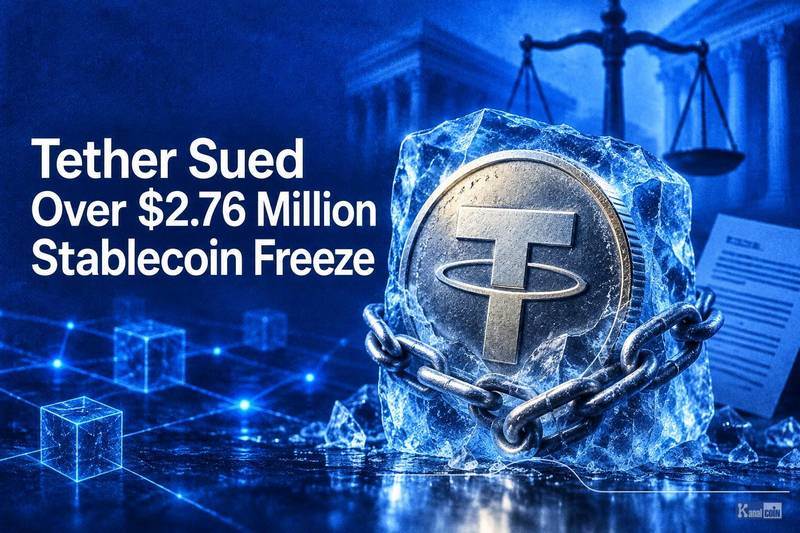
Tether faces litigation for freezing US$2.76 million in stablecoins, governance and business are again under regulatory attention
Tether, the world's largest stablecoin issuer, is facing a new legal lawsuit over its freezing of US$2.76 million worth of stablecoins. The move has once again plunged the company, which has attracted much attention in the eyes of regulators and lawmakers, into the forefront of legal review.
The core of this case lies in the fund freeze measures. Under Tether's terms of service, it retains the right to block or blacklist specific wallet addresses holding USDT. As of the time of publication of this article, the available information has not confirmed the specific parties involved, the jurisdiction where the lawsuit was filed, the case number and the exact circumstances that triggered the freeze. This article will continue to be updated as relevant details are disclosed.
Impact of stablecoin freezing on token holders
Unlike bank accounts under the consumer protection framework that most Southeast Asian users are familiar with, stablecoin positions mainly bear counterparty risks defined by the issuer's own policies. Tether can freeze USDT at the smart contract level, making tokens unable to move and users unable to access any central clearing house or deposit insurance plan.
对于东南亚约7亿人而言,他们使用稳定币进行汇款、跨境贸易结算和储蓄。在这种背景下,发行人的控制权成为了该资产的结构化特征。包括Indodax和Tokocrypto在内的区域平台将USDT作为主要交易对,这意味着任何钱包被冻结都会直接中断用户提取或转移价值的权利。
涉案的276万美元金额对相关各方具有实质性意义,具体展示了冻结可能带来的财务敞口。至于此次冻结是源于合规请求、法院命令还是Tether的内部决定,目前尚未经证实。
Tether面临日益严峻的法律与政治审视
这起诉讼的发生正值Tether在多方面受到审视之际。美国参议员就Tether的商业关系提出质疑,参议员沃伦(Warren)和怀登(Wyden)就一笔引发利益冲突担忧的家庭信托贷款,向Tether及商务部长卢特尼克(Lutnick)施压。此外,一起与向奈杰尔·法拉奇(Nigel Farage)捐赠670万美元相关的标准调查,也使该公司持续占据国际头条新闻。
与此同时,Tether也在积极拓展商业版图。最近,其与内罗毕证券交易所签署了一项代币化协议,这一举动释放出其在非洲和亚洲新兴市场扩张雄心的信号。这种扩张使得围绕其冻结权力的法律清晰度,对新机构合作伙伴变得愈发重要。
Within the company, Bloomberg reported that the former chief information officer tried to sell his stake in a stablecoin issuer, making ownership issues another challenge Tether needs to deal with.
Key details still need to be clarified
The following facts have not been confirmed, but will have a significant impact on how the case is interpreted. Readers and market participants should pay close attention to verification reports at every point:
- Courts and jurisdictions: The place where litigation is filed determines the legal standards that apply to Tether's freezing of authority.
- Case number and date of filing: This is required to obtain public court records.
- Plaintiff identity: Whether the claimant is an individual, business or other institution will affect the legal theory involved.
- Frozen status: US$2.76 million is still frozen or was released during the litigation.
- Tether's official response: As of this publication, no statements from Tether have been confirmed.
For Southeast Asian exchanges and users holding USDT, this case deserves close attention. If the court rules to limit or review Tether's unilateral freezing powers, it would set an important precedent; if the ruling upholds these powers, it would reinforce counterparty risks already present in the centralized stablecoin design. Singapore, Indonesia Regional financial regulators in the Philippines and the Philippines are developing their own stablecoin licensing frameworks, and they may also pay close attention to developments in the case.