Exchange Ranking
 Top Exchanges
 24h Volume Ranking
 Popularity Ranking
 Exchange BTC Balance
 Proof of Reserves
 Decentralized Exchanges
 Funding Rate
 Funding Heatmap
 Liquidation Data
 Max Pain
 Long/Short Ratio
 Whale L/S Ratio
 Binance/Okex/Huobi L/S
 Bitfinex Margin L/S
 ETF Tracker
 Solana ETF
 XRP ETF
 Hong Kong ETF
 Bitcoin Treasuries
 Crypto Reversal
 Ethereum Reserves
 HyperLiquid Wallet Analysis
 Hyperliquid Whale Watch
 Large Transactions
 On-chain Movement
 Bitcoin ROI
 Stablecoin Market Cap
 Options Analysis
 News
 Articles
 Economic Calendar
 Features
 Wallet
 Contract Calculator


 Security
 Collections
 Watchlist
 Following
 BTC
Morgan Stanley predicts that by the 2030s, the market for tokenized real-world assets could reach $10 trillion in size.
Morgan Stanley estimates that by 2030, the market for tokenized real-world assets could reach $10 trillion. This latest forecast from the US-based investment bank further supports the growing consensus on Wall Street that blockchain technology is transforming the way financial assets are issued, traded, and settled.
Amy Oldenburg, head of Morgan Stanley’s digital asset strategy, told media at the Token2049 conference that the market size could range between $3 trillion and $10 trillion by the end of this century.
What is tokenization?
Additionally, Morgan Stanley plans to support tokenized stocks within its Alternative Trading System (ATS) in the first quarter of 2027, delaying this timeline compared to its previous target of the second half of 2026. This change reflects the increasing interest of institutional investors in transitioning traditional financial products to blockchain networks.
Although these predictions indicate a potentially large market, the industry still faces challenges related to regulation, liquidity, and how different platforms can work together effectively.
Wall Street sees a trillion-dollar opportunity ahead.
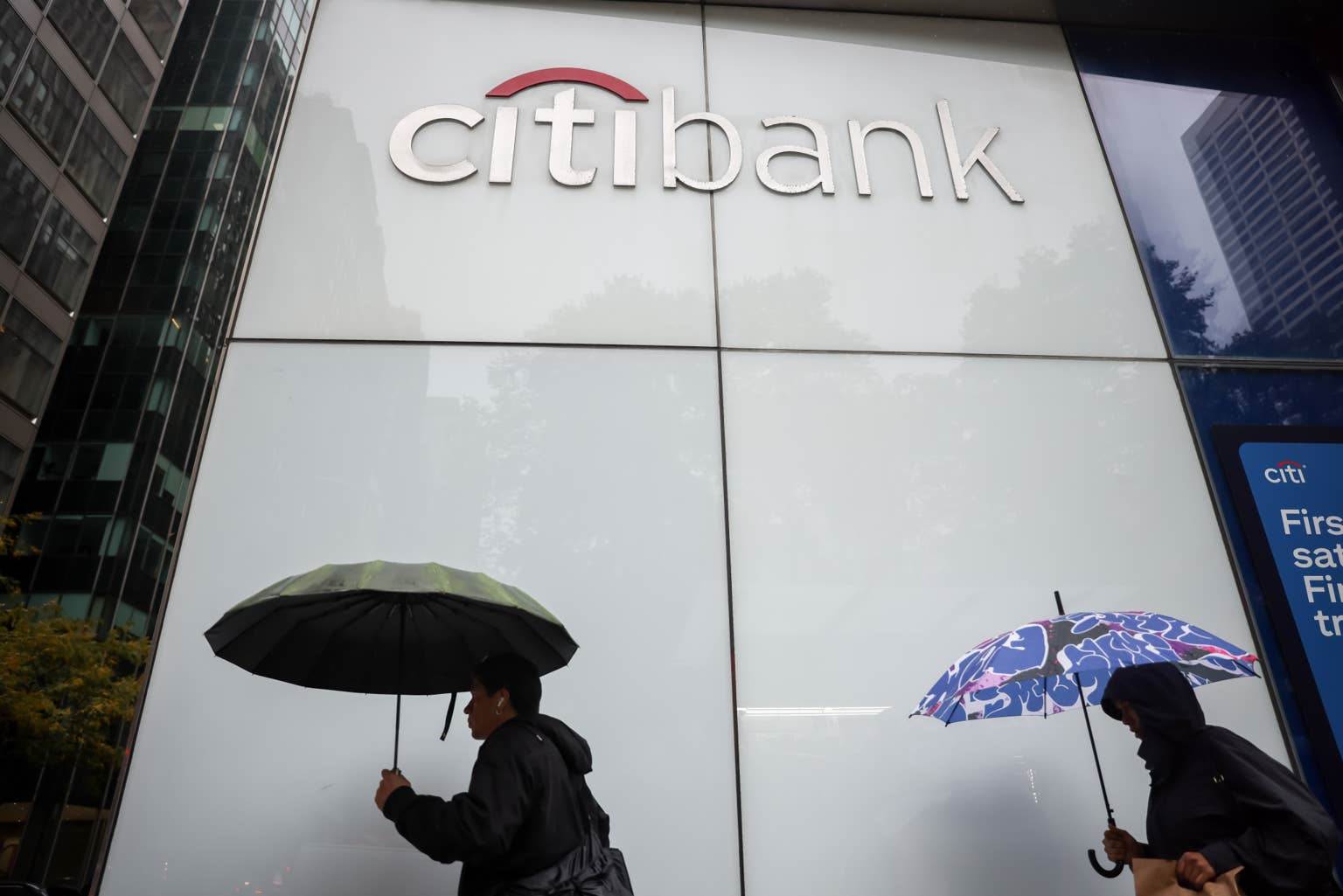
According to a report titled “Tokenization 2030” released by Citigroup Research in June 2026, under a global baseline scenario, the global tokenized asset market could grow from approximately $17 billion to $5.5 trillion by 2030. The forecast ranges from $2.7 trillion in a pessimistic scenario to $8.2 trillion in an optimistic scenario.
Citigroup believes that securities in the public market, especially U.S. stocks and bonds, will be the main drivers of growth in the early stages. The bank also estimates that if 10% of U.S. retail investors adopt blockchain-based solutions by 2030, the demand for tokenized public stocks could reach approximately $2.6 trillion.
Citigroup notes that the increasing involvement of major market infrastructure providers such as DTCC, the New York Stock Exchange, and NASDAQ may be a potential catalyst for adoption.
Pantera Capital offers another perspective on this issue.
Meanwhile, Pantera Capital, an American investment firm specializing in cryptocurrencies, digital assets, and blockchain technologies, released its “Tokenization Status” report for the first quarter of 2026. This report provides another view on market developments. As one of the early institutional investors in the crypto industry, Pantera Capital launched its Bitcoin fund in 2013.
The company’s researchers tracked 593 tokenized assets across 11 asset classes, with a market value of approximately $321 billion. The report found that 77.6% of the tracked assets were still “wrapper tokens,” and only 2.7% met the criteria for being native blockchain-based tools.
Although these data use a different definition of the market compared to Citigroup’s, they highlight an important difference: representing existing assets on the blockchain does not mean that financial infrastructure needs to be rebuilt around them.
Growth depends not only on the adoption of blockchain technology.
The International Monetary Fund (IMF) released an analysis on tokenization on October 8th, highlighting the gap between the technology’s potential and its current scale. The IMF estimates that repurchase agreements account for most tokenization transactions, with average daily volumes ranging from $300 billion to $350 billion. In contrast, the U.S. repurchase market has an average daily volume of approximately $13 trillion. Tokenized assets such as credit instruments, money market funds, and stocks generate around $65 billion in daily transactions. The IMF notes that tokenization can make transactions faster and cheaper, while also integrating functions related to issuance, trading, and settlement. However, it warns that fragmented platforms, uncertain legal rights, and limited interoperability may hinder growth. Additionally, the tokenization market still lacks liquidity, and it may experience higher volatility compared to traditional counterparts. Citigroup also expects that tokenization systems will coexist with traditional systems for some time. The bank believes that regulated digital currencies, including stablecoins and tokenized deposits, are essential for achieving on-chain settlement. To realize Morgan Stanley’s vision of reaching $10 trillion in assets, the industry needs more than just new products and institutional announcements.