Exchange Ranking
 Top Exchanges
 24h Volume Ranking
 Popularity Ranking
 Exchange BTC Balance
 Proof of Reserves
 Decentralized Exchanges
 Funding Rate
 Funding Heatmap
 Liquidation Data
 Max Pain
 Long/Short Ratio
 Whale L/S Ratio
 Binance/Okex/Huobi L/S
 Bitfinex Margin L/S
 ETF Tracker
 Solana ETF
 XRP ETF
 Hong Kong ETF
 Bitcoin Treasuries
 Crypto Reversal
 Ethereum Reserves
 HyperLiquid Wallet Analysis
 Hyperliquid Whale Watch
 Large Transactions
 On-chain Movement
 Bitcoin ROI
 Stablecoin Market Cap
 Options Analysis
 News
 Articles
 Economic Calendar
 Features
 Wallet
 Contract Calculator


 Security
 Collections
 Watchlist
 Following
 BTC
Summary
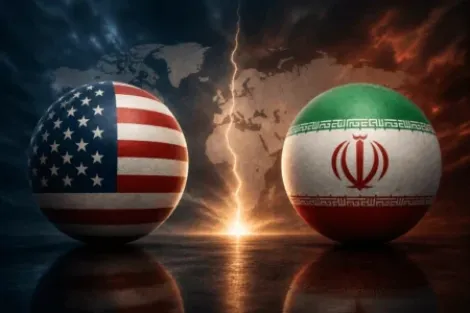
Scott Bessent announced plans to seize approximately US$1 billion in Iranian-related cryptocurrency. In addition to financial sanctions, the United States has further expanded its isolation actions against Iran.
Scott Bessent announces plans to seize approximately $1 billion in Iranian-linked cryptocurrency
U.S. Treasury Secretary Scott Bessent announced this week that the U.S. government plans to seize approximately $1 billion in Iranian-related cryptocurrency assets. The Treasury secretary said U.S. authorities had located the assets but did not provide specific details of the confiscation. At the same time, Washington is tightening restrictions on Iranian oil exports, international flights and land transportation routes. The planned cryptocurrency confiscation forms part of the Trump administration's broader strategy of economic isolation of Iran.
Besent disclosed the plan in an interview with Greta Van Susteren at the Newsmax NPolicy Summit in Washington on Thursday. "We may be confiscating a billion dollars worth of cryptocurrency this week," Besent said, adding that authorities had identified the assets.
However, the finance minister did not specify the types of cryptocurrencies involved, nor did he explain how the authorities intended to take over the holdings. He also did not disclose any details about the wallets, exchanges or relevant personnel involved in the confiscation proposal.
The announcements follow a series of previous enforcement actions against cryptocurrency networks that are allegedly linked to Iran's Islamic Revolutionary Guard Corps (IRGC). In September this year, the U.S. Treasury Department imposed sanctions on Iranian cryptocurrency exchange BitBank for suspected bitcoin transfers involving hundreds of millions of dollars. U.S. officials accused the platform of assisting in transactions related to IRGC and Strait of Hormuz maritime payments. Previously, the U.S. Treasury Department also froze cryptocurrency wallets related to Iran's Central Banking System.
As early as July, authorities froze more than $130 million in Iranian-related digital assets, including USDTs spread across multiple Tron wallets. The action is a continuation of previous restrictions on cryptocurrency platforms accused of supporting Iranian financial activities. Freezing Iran's cryptocurrency wallets is part of Washington's efforts to restrict financial transactions involving sanctioned entities.
However, Basent's latest statement focused on planned seizures and did not confirm that another $1 billion in assets had been recovered. This distinction is crucial because freezing cryptocurrencies only restricts access to assets, while confiscation involves authorities gaining legal control.
U.S. expands isolation actions against Iraq: transcending traditional financial sanctions
Bessent also described a broader shift in Washington's strategy against Iraq, extending from traditional economic sanctions and financial restrictions to more comprehensive isolation actions. "We used to have the 'extreme pressure' movement, and now we have the 'absolute isolation' movement, and it is working," he said.
According to Besent, the government is combining financial enforcement with maritime blockades, aviation restrictions and efforts to close land lanes. He said the measures are aimed at preventing Iran from entering international markets while restricting the freedom of movement of government officials.
Bessent also claimed that the movement was putting pressure on the IRGC internally, but he did not provide independent evidence to support this assessment. The finance minister said Washington was working with the United Arab Emirates and Oman, and was engaging with Pakistan and Turkey. He described the efforts as part of a strategy to restrict transportation routes between Iran and neighboring countries. The government is also targeting Iran's oil exports, and Besent predicts that maritime restrictions may eventually deter overseas shipments.
The latest measures follow U.S. sanctions on Iran's maritime payment network and include allegedly cryptocurrency transactions related to shipping operations. The restrictions target financial channels that U.S. authorities believe support Iran's military and sanctioned commercial activities.
Besent insists that the expanded campaign has limited Iran's economic options, although its full impact remains uncertain. The proposed cryptocurrency forfeiture is another part of the strategy, but its execution and final value remain to be confirmed.