Exchange Ranking
 Top Exchanges
 24h Volume Ranking
 Popularity Ranking
 Exchange BTC Balance
 Proof of Reserves
 Decentralized Exchanges
 Funding Rate
 Funding Heatmap
 Liquidation Data
 Max Pain
 Long/Short Ratio
 Whale L/S Ratio
 Binance/Okex/Huobi L/S
 Bitfinex Margin L/S
 ETF Tracker
 Solana ETF
 XRP ETF
 Hong Kong ETF
 Bitcoin Treasuries
 Crypto Reversal
 Ethereum Reserves
 HyperLiquid Wallet Analysis
 Hyperliquid Whale Watch
 Large Transactions
 On-chain Movement
 Bitcoin ROI
 Stablecoin Market Cap
 Options Analysis
 News
 Articles
 Economic Calendar
 Features
 Wallet
 Contract Calculator


 Security
 Collections
 Watchlist
 Following
 SOL
 USDG
什么是 Solana 支付?为何其日益受到关注?
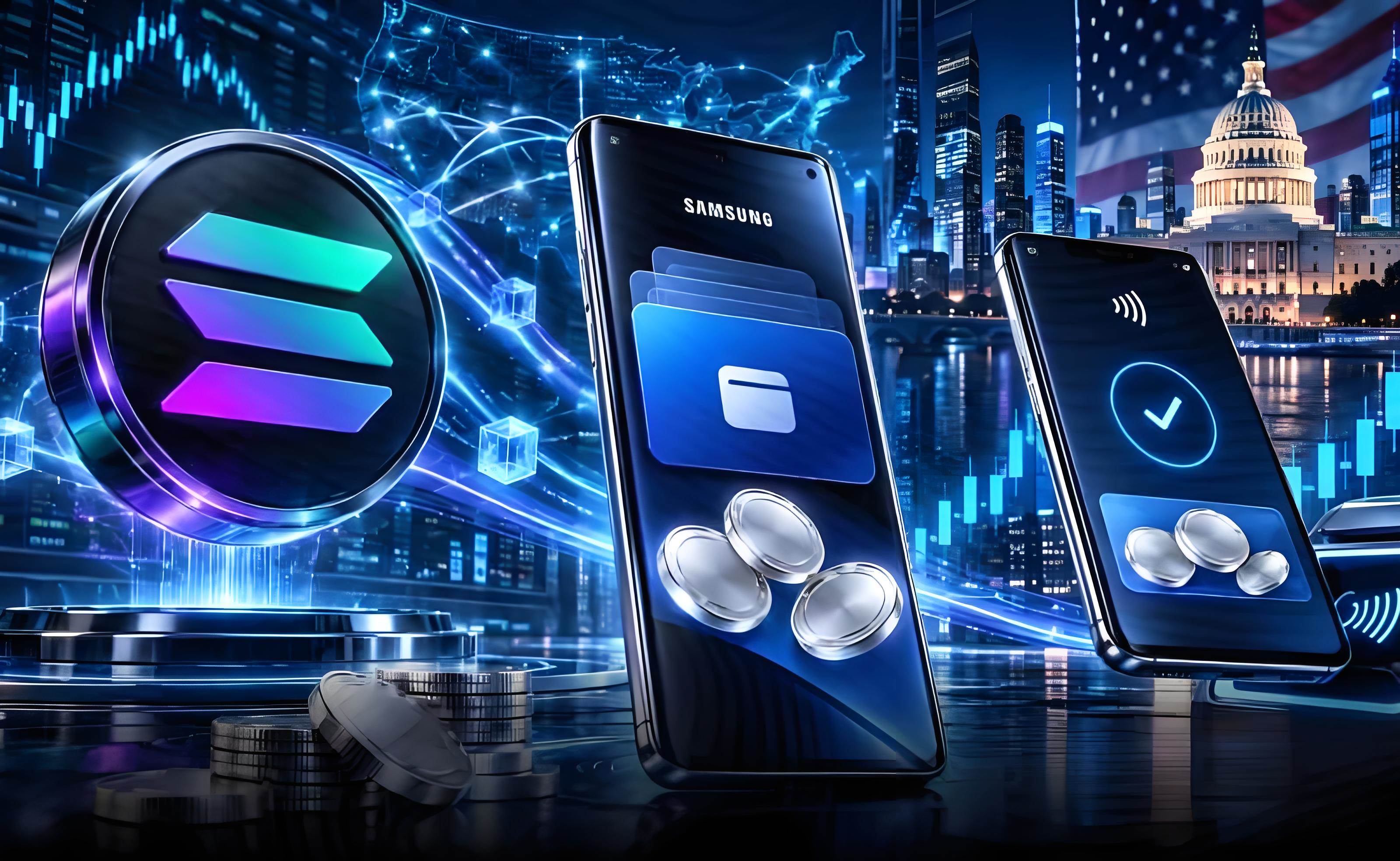
Solana 是一个高速运行的区块链网络,其运作方式类似于任何人均可查阅的公共账本,其原生代币称为 SOL。Solana 支付利用这一网络实现稳定币在不同钱包之间的转账。所谓稳定币,是指旨在保持价值稳定的代币,其作用类似于法定货币。
该项目声称其系统具有成本低廉、转账迅速、全球覆盖以及能耗较低等优势,但这些仅为宣传主张而非既定事实。鉴于当前 Solana 新闻中充斥着大量宏大承诺,本指南仅聚焦于可验证的事实。
Solana 支付如何实现低成本下的近乎即时结算?
每一笔支付都需要两个钱包地址:发送方批准转账,接收方获取代币。需要指出的是,钱包并不直接持有代币,而是为每种资产控制一个独立的代币账户,这类似于在银行中为每种货币分别保留余额。
官方文档显示,基础费用为 5,000 lamports(约合 0.0007 美元),大多数转账成本低于 0.001 美元。文档还称,支付可在不到一秒内完成结算,这远快于大多数传统银行转账。
However, the tiny Solana network fee is not the entire cost, as opening a new token account requires a rent of approximately $0.40. This may seem like a detail, but for merchants registering thousands of new wallets, this cost cannot be ignored. In addition, since fees are paid in SOL, costs will change with fluctuations in SOL prices; however, applications can hide this mechanism by having secondary wallets pay fees on their behalf, thereby eliminating the need for users to directly contact SOL.
Solana Pay and stablecoins: The core tool behind digital checkout
Solana Pay is the checkout link of the system, where shoppers make payments by scanning a QR code and using a mobile wallet. When the Solana Foundation launched the service in early 2022, it called it "the first open payment channel without gatekeepers," but this is still part of the project's propaganda proposition.
stablecoins do the main work behind the scenes. The document lists common tokens on the Solana network, including USDC, USDT, PYUSD, and USDG. Each token has a Mint Address as its unique identification. Since different coins may share the same name, the document recommends that you check the minting address every time you transfer money.
Subsequent updates also introduced a transaction request feature that allows users to enjoy discounts, cast NFTs or earn loyalty rewards directly in their wallets.
Benefits of Solana Payments for merchants, freelancers and users
Merchants are expected to receive payments faster because project owners say stores can skip credit card fees and complete settlements in milliseconds rather than days. This is a powerful selling point, but it has not yet been verified on a large scale.
Freelancers and creators can collect money across borders without having to wait for bank processing. An analysis found that the total amount of stablecoin payroll payments and remittances on all blockchains in 2025 will be approximately US$90 billion. Shoppers can also earn rewards in their wallets, although this advantage is only practical if the wallet is easy to operate.
How to start paying with Solana: Wallet, fees and preliminary steps
Getting started is just a few cautious steps:
- Choose a wallet and store mnemonic words offline away from any connected device.
- Buy a small amount of USDC and a small amount of SOL to cover network costs.
- Send a small test payment first to ensure that any errors cause minimal damage.
- Check the coin address before each transfer to avoid sending the wrong asset.
- Keep a record of each payment so that tax returns can proceed smoothly.
Solana Payments vs. Visa and Mastercard: Fees vs. Speed
Factors Solana Payment Card Organization Network The settlement time is less than one second (according to the document) and usually a few days (project party stated) Costs Internet fees below US$0.001 merchants are subject to dispute resolution fees. The right to refuse payment has no built-in refuse payment feature. Wallet users and merchants around the world can enjoy refuse payment protection. In terms of coverage and buyer protection, credit cards still dominate; while in terms of speed and cost, Solana wins. For daily shoppers, credit cards are still the default choice.
Real-world application case: Current implementation of Solana Payment
According to the project party's report in March 2022, the first week of the release was huge, with more than 600 merchants participating within one month. For example, a boutique in Las Vegas completed its first sale, a cafe in California added QR code checkouts, and the Shopify app followed suit.
The story of commercial payments is more convincing. A 2026 analysis shows that the total amount of real stablecin payments in 2025 will be approximately US$390 billion, of which inter-business (B2B) flows accounted for US$226 billion, a year-on-year increase of 733%. It should be noted that this data covers all blockchains, not just Solana, and only accounts for 0.02% of total global payments.
Solana payment risks and limitations that every user should be aware of
Before it comes to real money, there are several risks worth noting:
- Wrong token or program: As the document warns, if the wrong token program is used, the transfer will fail.
- Irreversibility: Once payment is confirmed, erroneous payment cannot be withdrawn.
- Issuer risk: The value of a stablecoin depends on the reserves held by its issuer.
- Cyberrisk: Solana networks have experienced outages in the past.
- Compliance rules: Tax and compliance obligations vary by country.
How does the data view Solana payments?
The stronger signal comes from the commercial payments field, and the expansion of consumer size is the main concern. The biggest unknown is whether shoppers will give up credit cards. Most data on speed and cost comes from the project party's own documentation, so readers should check it on a block browser. The status update time is October 8, 2026.
The future of Solana payments: trends shaping mass adoption
The document now covers "Agent Payments," where software pays for services independently, and lists features such as subscription services and fee abstraction.
The subscription model is probably the most important for freelancers and monthly services because automatic payments save time for both parties.
Conclusion: Is Solana ready for digital commerce?
Solana Payments offers settlement times below seconds and extremely low fees, and commercial applications currently seem to be the strongest growth point. However, the situation is different for daily shoppers, because credit cards still provide convenient refunds, and most people already have credit cards, so wallets need to become simpler and easier to use first.
The cost is not zero, because a new token account requires an additional fee of approximately US$0.40, and the fee paid in SOL will fluctuate with the Solana price, resulting in a higher overall cost of micropayments. In addition, rules differ from country to country, making tax and compliance reviews crucial. Readers should verify fees, tokens and local regulations before using the Internet.