Exchange Ranking
 Top Exchanges
 24h Volume Ranking
 Popularity Ranking
 Exchange BTC Balance
 Proof of Reserves
 Decentralized Exchanges
 Funding Rate
 Funding Heatmap
 Liquidation Data
 Max Pain
 Long/Short Ratio
 Whale L/S Ratio
 Binance/Okex/Huobi L/S
 Bitfinex Margin L/S
 ETF Tracker
 Solana ETF
 XRP ETF
 Hong Kong ETF
 Bitcoin Treasuries
 Crypto Reversal
 Ethereum Reserves
 HyperLiquid Wallet Analysis
 Hyperliquid Whale Watch
 Large Transactions
 On-chain Movement
 Bitcoin ROI
 Stablecoin Market Cap
 Options Analysis
 News
News Articles
 Economic Calendar
 Features
 Wallet
 Contract Calculator


 Security
 Collections
 Watchlist
 Following
 BTC
BTC Bitcoin ushers in the largest Fed stress test of the year: The game between cooling inflation and interest rate hikes
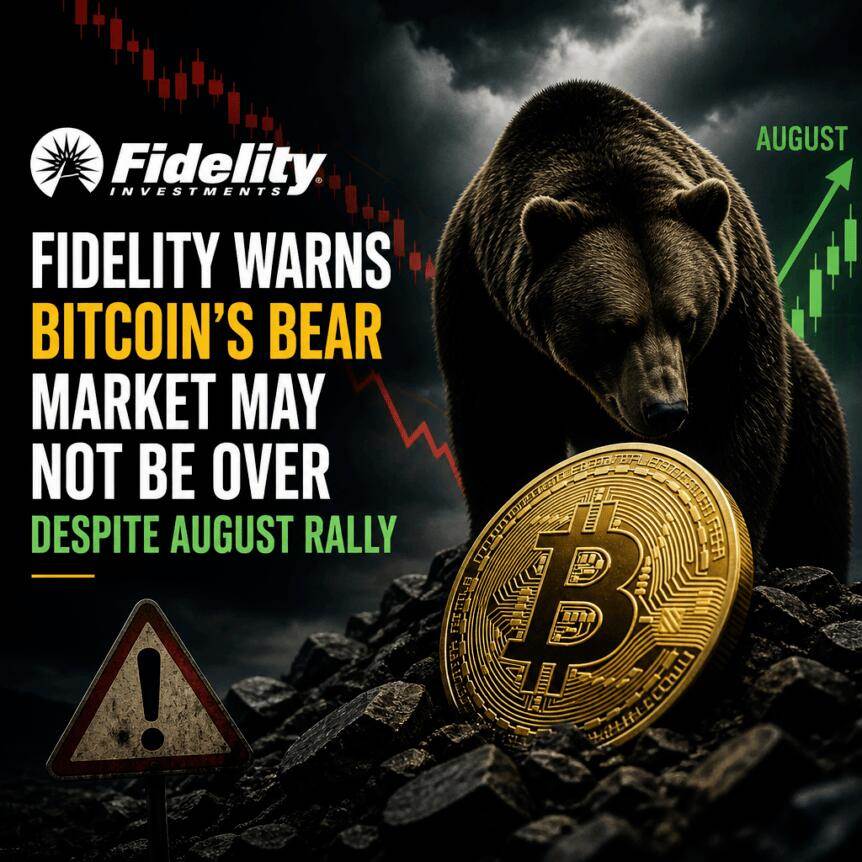
On September 16, Bitcoin will enter the largest Fed policy test moment it faces during the year. After experiencing a strong 25% rebound in August, Bitcoin prices hover around $79,953. At the same time, core inflation is gradually moving closer to 3%, while markets remain divided on whether the Fed should choose to raise interest rates, keep rates unchanged or sit still.
The current situation shows a rare balance. On the one hand, a fast-cooling inflation trajectory and record demand for spot ETFs have pushed Bitcoin back to the $80,000 mark; on the other hand, annual inflation remains well above target and most Fed observers are still betting on raising interest rates, which could put pressure on risky assets. There are only two weeks left before the decision is announced on September 16, and both bulls and bears have strong arguments.
Core inflation hits 3%-the truth behind the data
The key short-term indicators driving this narrative show that according to Federal Reserve Governor Christopher Waller According to data from Christopher Waller, the annualized three-month core inflation rate fell from 4.76% in February 2026 to 3.05% in July, a decrease of approximately 171 basis points in five months. This is the so-called "3%" reading-it is a momentum indicator rather than the widely quoted annual figure.
Understanding this distinction is crucial. The Consumer Price Index (CPI) tracks a basket of consumer goods, while the Personal Consumption Expenditure (PCE) index is the Federal Reserve's preferred measure. In terms of annual indicators, both remain at high levels: according to the minutes of the Federal Reserve's July FOMC meeting, the core PCE was 3.3%, and the overall PCE was 3.7%.
Official price data also tells a mixed story. According to the July 2026 report released by the U.S. Bureau of Labor Statistics (BLS), the overall CPI rose by 3.4% year-on-year, and the core CPI (all items except food and energy) rose by 2.5% year-on-year, with a month-on-month increase of only 0.2%. Although the downward trend is clear, every annual reading is still above the Fed's 2% target.
Waller is optimistic about this momentum. He said: "This is a significant improvement and the pace of the downward trajectory is encouraging. If progress continues to be made towards our 2% target, I am willing to support maintaining policy rates at current levels."
However, not all members of the committee share the same opinion. Councilor Michael Barr pointed out that he would support a decisive rate hike if inflation failed to ease. In addition, according to estimates from an unconfirmed model cited by Motley Fool, the Cleveland Federal Reserve Bank model predicts that the core PCE will accelerate again to 3.49% in September. This risk of re-acceleration is exactly the data-based argument of bears.
Why the September 16 Federal Reserve Decision Is a Stress Test for Bitcoin
The transmission mechanism between the Federal Reserve and Bitcoin is realized through interest rate expectations, dollar strength and risk appetite. Higher interest rates usually strengthen the dollar and draw capital away from risky assets such as Bitcoin; leaving rates unchanged or a dovish surprise has the opposite effect. The September 16 resolution, scheduled to be released at 2:00 p.m. EST, will be accompanied by an updated dot chart, which could reprice the entire interest rate path through 2027.
Market differences over the results are real. CME FedWatch data showed that the probability of a 25 basis point rate hike was implied between 60-70%, while after Waller's comments, Polymarket's odds dropped to about 42%, and Kalshi fluctuated between 53-59%. If interest rates are raised in September, it will be the first time the Federal Reserve has raised interest rates since July 2023.
Bitcoin's price movements reflect this tension. The asset briefly hit $81,400 on September 3, its highest intraday level since May, before falling back to current levels at press time. This trend is almost in sync with Waller's dovish rhetoric, highlighting Bitcoin's current trading characteristics that closely follow the interest rate narrative.
Bullish logic: is based on structural demand. Bitcoin recorded a gain of about 25% in August, its best monthly performance since November 2024. During the month, the spot Bitcoin ETF recorded net inflows on 16 of the 21 trading days, totaling US$3.52 billion. This background of inflows echoes the long-term ETF inflow trend that has supported summer prices.
Bear logic: It stems from the position structure and position height. Bitcoin is still 36.6% below the all-time high of $126,080 set on October 6, 2025. Derivatives positions tend to be slightly short, with long positions accounting for 48.96%, and short positions accounting for 51.04%. This hedging tilt suggests that traders are preparing for hawkish surprises rather than chasing a rebound, as has also been reflected in recent whale sell-offs and ETF outflows.
At the same time, emotions tend to be optimistic. The Fear and Greed Index reads 73, firmly in the "greedy" range, despite the uncertainty of the macro environment. The gap between greedy sentiment and short derivatives positions captures the tug of war in the market before the decision.
What Bitcoin traders focus on after September 16
The first specific catalyst appeared before the Federal Reserve meeting. According to the BLS release calendar, the August CPI report is scheduled to be released at 8:30 a.m. EST on September 11, which will provide the FOMC with a new inflation data for weighing. If the data overheats, it could quickly reignite expectations for a rate hike cooled by Waller's remarks.
The complexity of a sequence complicates the situation. Policymakers will have the August CPI data when they make their decision on September 16, but there will be no official August PCE data;BEA will release the PCE data on September 30 along with the annual methodology revision. Waller estimated that the revision could reduce the measured annual inflation rate by a few tenths of a percentage point, meaning the Fed could act with incomplete data and face pressure to adjust its course afterwards.
The debate over whether to cut or raise interest rates goes far beyond September. According to unconfirmed bank research summarized by crypto.news, Barclays predicts that it will raise interest rates twice in 2026, BNP Paribas predicts raising interest rates three times, and the final interest rate will return to 4.25%-4.50%. This framework views September 16 as a potential opening move in a hawkish sequence rather than a one-time event.
The FOMC voted 9-3 to maintain the federal funds rate at 3.5%-3.75% at its July 28-29 meeting. Governors Beth Hammack, Neel Kashkari and Lorie Logan voted against it, advocating an immediate rate increase. Kashkari, who has also been criticized by the cryptocurrency market for his hawkish stance, and an updated dot chart will reveal whether more members have joined the opposition.
In terms of price levels, the September 3 high of US$81,400 is a near-end resistance level that needs to be recovered under the dovish result, and whether you can hold above US$80,000 defines a bullish case. A hawkish rate hike that breaks that support will confirm the bearish scenario that traders have been hedging. The way Bitcoin approaches major resistance levels provides a template for how these levels can quickly flip after the Fed event.
The evidence points in two directions, and some of it will be resolved on September 16. Bulls have a cooling three-month inflation trend and monthly ETF demand of $3.52 billion; bears have annual inflation still above 3%, a 60-70% probability of a rate hike, and warnings from the Cleveland Fed about a re-acceleration. CPI data on September 11 will tilt the balance before the Fed opens its mouth.
Disclaimer : This article is for reference only and does not constitute financial or investment advice. There are significant risks in the cryptocurrency and digital asset markets. Be sure to conduct independent research before making any decisions.