Exchange Ranking
 Top Exchanges
 24h Volume Ranking
 Popularity Ranking
 Exchange BTC Balance
 Proof of Reserves
 Decentralized Exchanges
 Funding Rate
 Funding Heatmap
 Liquidation Data
 Max Pain
 Long/Short Ratio
 Whale L/S Ratio
 Binance/Okex/Huobi L/S
 Bitfinex Margin L/S
 ETF Tracker
 Solana ETF
 XRP ETF
 Hong Kong ETF
 Bitcoin Treasuries
 Crypto Reversal
 Ethereum Reserves
 HyperLiquid Wallet Analysis
 Hyperliquid Whale Watch
 Large Transactions
 On-chain Movement
 Bitcoin ROI
 Stablecoin Market Cap
 Options Analysis
 News
 Articles
 Economic Calendar
 Features
 Wallet
 Contract Calculator


 Security
 Collections
 Watchlist
 Following
 BTC
As the inflow of funds into Bitcoin spot ETFs becomes more regular, and the regulatory frameworks for stablecoins and tokenized assets in various countries become clearer, institutions’ predictions about the crypto market in 2026 are becoming more specific. From investment banks and asset management firms to blockchain research companies, many of the latest annual reports no longer focus solely on price fluctuations. Instead, they emphasize aspects such as capital structure, regulatory developments, and practical applications. These insights suggest that what determines the direction of the crypto market in 2026 is not just emotions and cycles, but also profound institutional changes and participation by various entities.
Key points summary
● Bitcoin: With ETFs and DATs enhancing the institutional utility of Bitcoin, the adoption rate of BTC will increase.
● Privacy: Privacy technologies will become essential infrastructure for protecting institutional transactions.
● AI Agents: As AI plays a larger role in trading operations, verifiable frameworks will become crucial.
● Stablecoins: In addition to trading, stablecoins will also be used more widely in areas such as payments, settlements, and salary payments.

I. The Crypto Industry in 2026: Has the era of speculation ended?
Reports from various institutions on the prospects for 2026 all convey one common message: the narrative-driven era is fading, while an era focused on execution is emerging.
This report analyzes the forecasts of six major institutions for the year 2026, with the aim of identifying the key factors driving structural changes in the cryptocurrency industry. It also identifies the key themes that investors and entrepreneurs should prioritize.
II. Key forecasts from major institutions for 2026
1. Tiger Research
Capital will be focused on Bitcoin, with no significant spillover effects on the broader market.
Projects that cannot generate sustainable income will exit the industry.
The practical-oriented token model has failed; repurchases will dominate capital return strategies.
There will be more opportunities for mergers and acquisitions among cryptocurrency projects.
The integration of robotics and cryptocurrencies will lead to a new type of gig economy.
Media companies will use prediction markets to create new sources of revenue.
Traditional financial institutions will lead the RWA industry through autonomous blockchain deployments.
The introduction of Ethereum staking ETFs will reignite interest in BTCFi.
Fintech platforms, rather than exchanges, will become the primary entry points for cryptocurrencies.
The involvement of institutions will make privacy technologies a structural requirement.
2. Messari
Cryptocurrencies must serve as legitimate payment mediums, not just a set of technologies.
Bitcoin will maintain its strong position by absorbing the monetary premium and value storage functions of gold.
Macroeconomic conditions will have a greater impact on Bitcoin’s price movements than halving cycles.
Quantum computing is not a imminent threat, but rather a long-term challenge.
L1 chains without real users or economic activity will eventually disappear.
It is expected that Ethereum’s volatility will be higher than that of Bitcoin.
Strategies based on Ethereum will help mitigate sudden downturns.
Cryptocurrencies focused on privacy will become an alternative to monitoring-intensive systems.
3. Delphi Digital
Increased liquidity in the United States will support higher valuations for Bitcoin.
Institutional investment inflows will continue to drive up Bitcoin prices.
Stablecoins will become the core infrastructure for global payments.
Identity verification is crucial in the ecosystem of artificial intelligence agents.
Combining Ethereum with L2 protocols will lead to faster and cheaper settlement processes.
Stablecoins will serve as a bridge between traditional finance and on-chain systems.
The story of cryptocurrency applications will continue to develop.
4. a16z Crypto
Channels for recharging and withdrawing funds for stablecoins will continue to improve.
RWA tokenization and stablecoins will be redefined from an encrypted perspective.
On-chain lending will reduce structural inefficiencies and costs.
Once legal frameworks align with technological realities, the full potential of blockchain can be realized.
Artificial intelligence-based settlement networks will evolve into independent financial systems.
Privacy technologies are essential for protecting institutional transaction data.
KYC will still have its limitations, while understanding your agents will become a new standard.
The internet will continue to develop into an essential infrastructure for the banking industry.
Stablecoins will be used for everyday transactions, including payments and salary distributions.
Blockchain infrastructure will serve as the foundation for artificial intelligence-based applications.
Only those projects that can demonstrate verifiable revenue and user adoption will be able to survive.
The cryptocurrency industry will shift from being a speculative asset to becoming an integral part of the real economy.
In 2026,
institutional investment will support the long-term value of Bitcoin.
Financial models based on Bitcoin will continue to expand.
Stablecoins will become a major industry focused on payment and settlement processes.
Regulatory progress will officially establish cryptocurrencies as recognized financial assets.
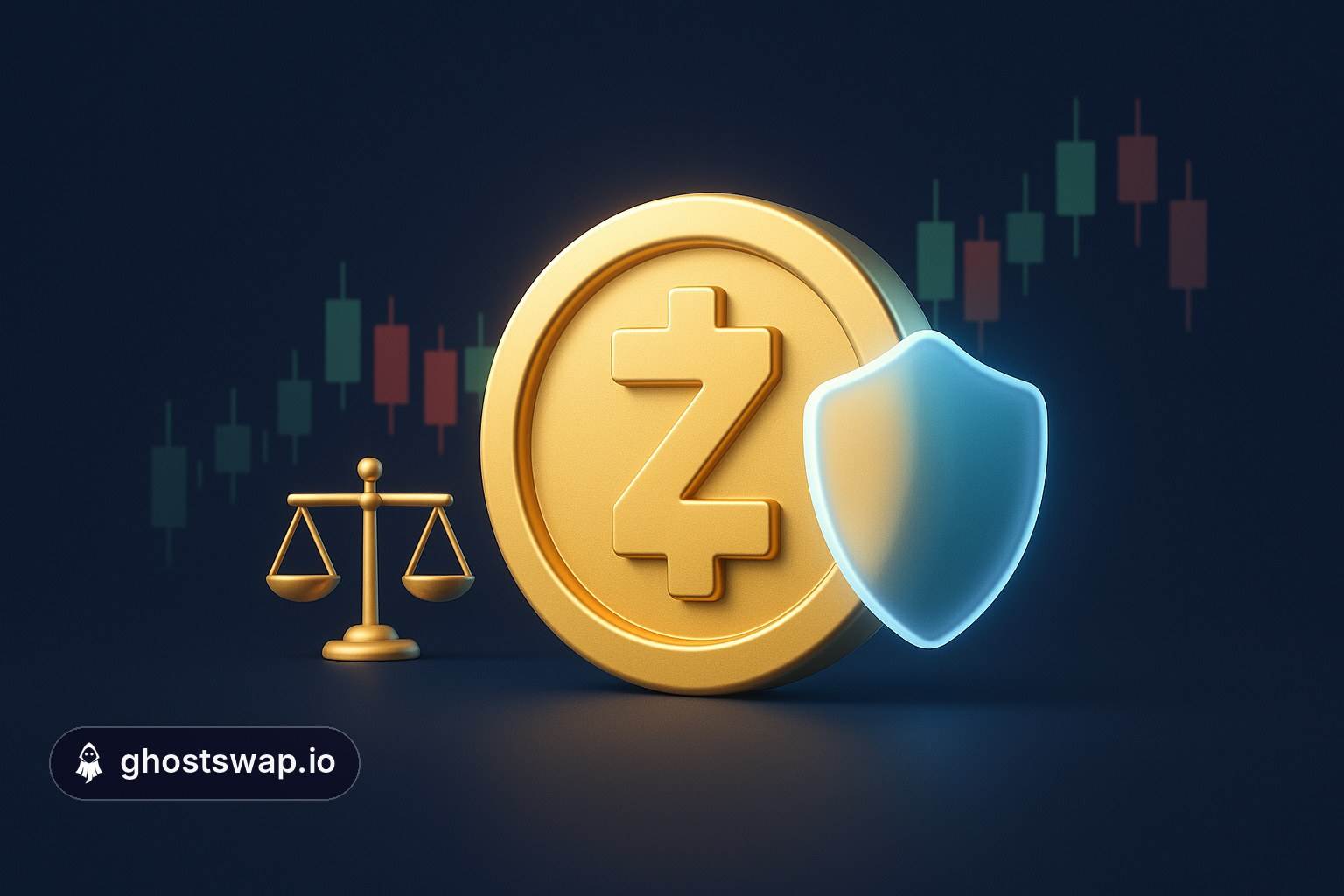
Privacy technologies will become essential for securing institutional investments.
III. 2026: The Real Integration of Traditional Industries and Cryptocurrencies
By 2026, the cryptocurrency market will enter a phase where its practical value can be demonstrated through direct interactions with traditional industries. Previous discussions have focused on retail participation and speculation, but now the focus is shifting towards institutional adoption and integration into the real world.
Several reports have indicated that Bitcoin, privacy issues, and stablecoins are all areas of focus, and their development is closely related to institutional participation. Bitcoin has essentially become a regulated financial asset. Privacy technologies are increasingly seen as crucial tools for secure transactions by businesses. The application of stablecoins is expanding beyond everyday payments, integrating with traditional financial systems and further enhancing their functionality. It is also expected that artificial intelligence agents will no longer be developed as separate fields, but rather as practical components of existing artificial intelligence industries.
Overall, these predictions suggest that the market structure in 2026 will be dominated by institutional investors. However, this does not mean that speculative behavior by individual investors will disappear. Instead, the market may split into two distinct areas: one focused on practicality and execution, and another focused on speculation.
As expected, institutions and related projects will prioritize regulatory compliance and the development of verifiable revenue models. At the same time, speculative ecosystems built around the inherent volatility of cryptocurrencies will continue to exist. This persistence reflects the fact that cryptocurrencies originated as a rebellion against existing systems, with a speculative spirit that has now become a lasting cultural phenomenon, especially among younger participants.
Culture does not disappear easily. Therefore, 2026 is likely to mark the beginning of market differentiation, with institutional integration and speculative activities developing along different paths. Investors and developers need to clearly understand the rules they follow and develop strategies that suit the markets they choose to participate in.