Exchange Ranking
 Top Exchanges
 24h Volume Ranking
 Popularity Ranking
 Exchange BTC Balance
 Proof of Reserves
 Decentralized Exchanges
 Funding Rate
 Funding Heatmap
 Liquidation Data
 Max Pain
 Long/Short Ratio
 Whale L/S Ratio
 Binance/Okex/Huobi L/S
 Bitfinex Margin L/S
 ETF Tracker
 Solana ETF
 XRP ETF
 Hong Kong ETF
 Bitcoin Treasuries
 Crypto Reversal
 Ethereum Reserves
 HyperLiquid Wallet Analysis
 Hyperliquid Whale Watch
 Large Transactions
 On-chain Movement
 Bitcoin ROI
 Stablecoin Market Cap
 Options Analysis
 News
 Articles
 Economic Calendar
 Features
 Wallet
 Contract Calculator


 Security
 Collections
 Watchlist
 Following
 FLOW
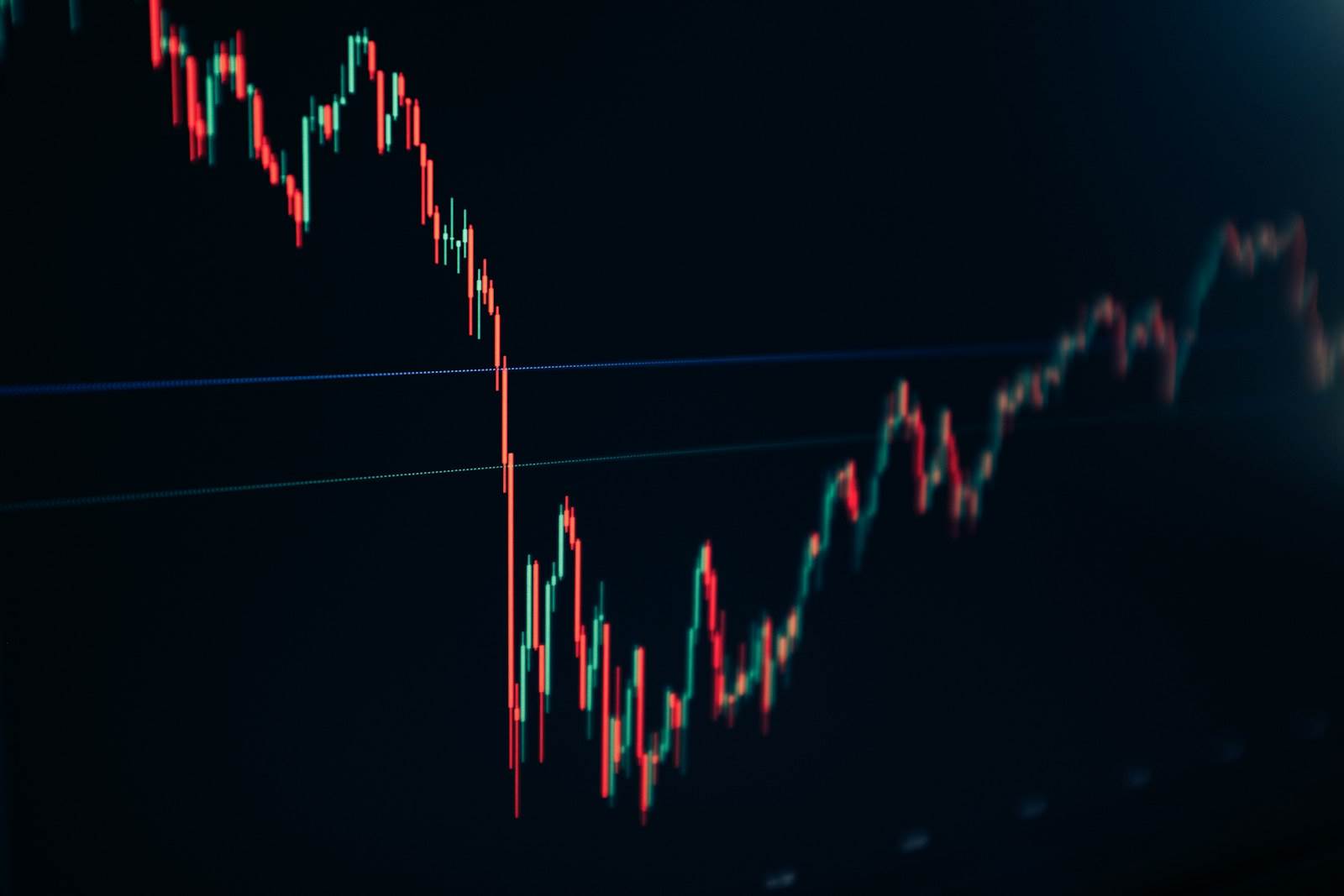
Against the backdrop of already tight liquidity in the cryptocurrency market, security incidents have once again served as amplifiers of emotions. Last Saturday, the Flow network was exploited by hackers due to vulnerabilities in the execution layer. Approximately $3.9 million in assets were stolen and withdrawn from the chain, significantly undermining market confidence. After the news spread, the price of FLOW plummeted within a few hours, falling from around $0.17 to below $0.08. Even after recovering slightly above $0.10, trading volume and activity remained weak. This incident not only exposed the security vulnerabilities of established L1 protocols in complex scenarios, but also reminded the market that in an environment where sentiment is cooling and funds are being managed with caution, the reliability of the chain is more quickly determined by its potential for achieving grand ambitions than by other factors.
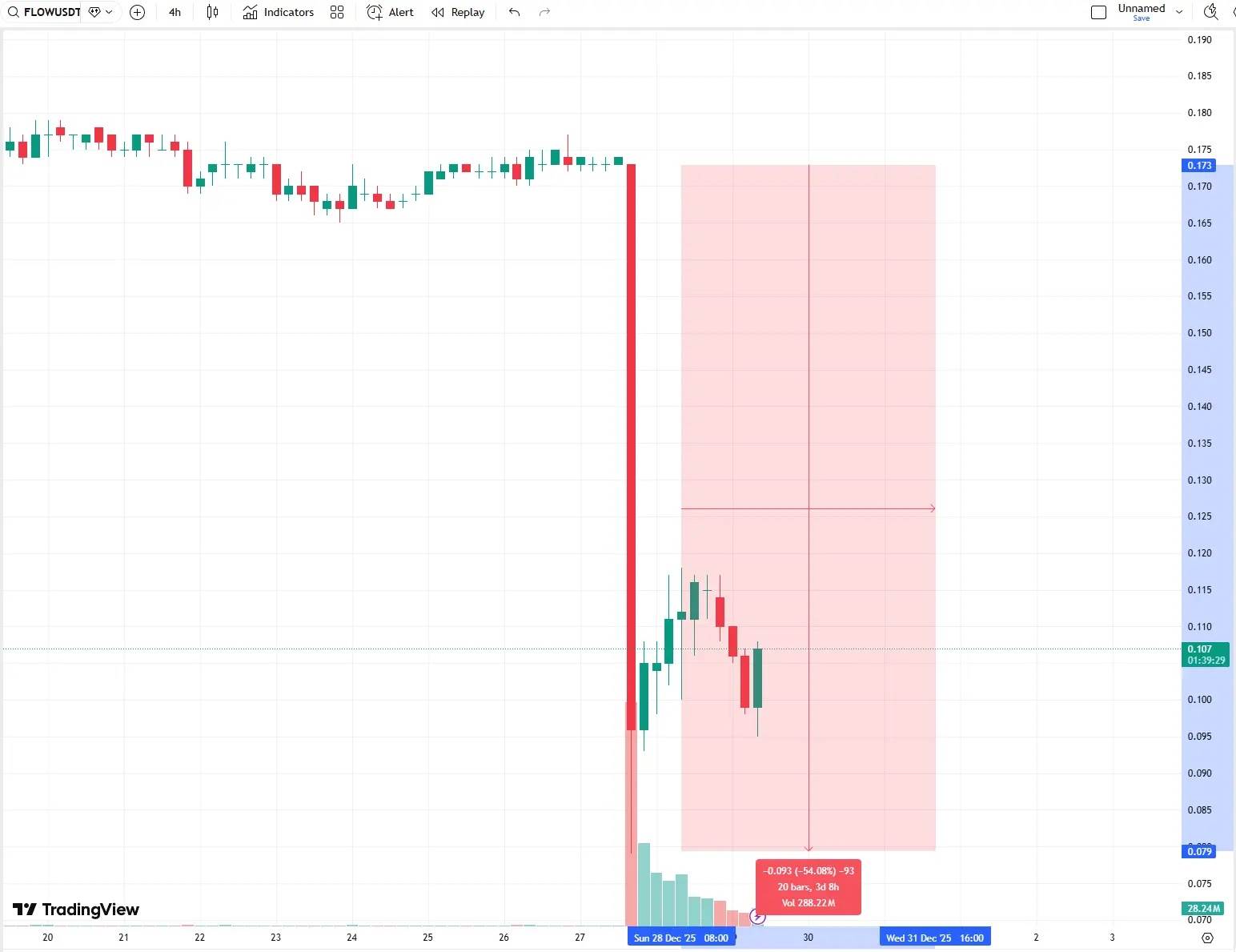
FLOW K-line chart
Below, we summarize this FLOW theft incident, the official response, and why it has sparked strong concerns among FLOW partners and the community.
FLOW’s urgent response: the network was isolated, and a rollback plan was announced.
After the attack, the FLOW Foundation quickly responded and confirmed the details of the incident. The attackers used vulnerabilities in the execution layer to steal approximately $3.9 million in assets. Users’ existing balances were not affected, and their funds remain safe. The affected addresses have been identified, and efforts are underway to track the money laundering attempts. The foundation has also requested the freezing of these assets by Circle, Tether, and several major exchanges.
In order to rectify illegal transactions on the chain and fix vulnerabilities, the Flow Foundation has isolated the network. Additionally, they have released a corrected version of the mainnet, called Mainnet 28. The initial plan proposed by the foundation was to roll back the network state to a checkpoint before the attack occurred, specifically to the Cadence block height of 137363395. This would involve deleting all transactions that were processed within the past 6 hours. Whether the transactions were legitimate or not, they would be eliminated. Users will need to resubmit their transactions after the nodes are restarted. The foundation believes this is the safest way to restore the integrity of the network. They also assured users that their funds will remain safe throughout this process, and promised to update everyone on the progress every two hours.
This decision to roll back seems decisive, but it quickly sparked controversy within the ecosystem. This is because hackers had already established connections across the chains, so rolling back the system wouldn’t affect them at all. Instead, it would only affect honest users and partners.
Partners involved in cross-chain bridges and community members strongly opposed this plan. The rollback plan was immediately criticized.
After the rollback plan was announced, partners and community members in the Flow ecosystem were quickly questioned. Alex Smirnov, co-founder of deBridge, one of Flow’s major cross-chain bridge partners, publicly criticized this decision as being too hasty, and that no communication was held with key bridging partners beforehand. As an important asset channel within the Flow ecosystem, deBridge wasn’t notified in advance about this rollback.
Smirnov pointed out that the potential damage caused by a rollback could be much greater than the initial hacking attack itself. Since cross-chain assets are transferred between various systems, forced rollbacks can lead to serious issues such as duplicate assets and inconsistent custody status. In the end, those who will be affected are the bridges, users, and counterparties that were operating normally during the window period. He revealed that approximately $200,000 and $50,000 in deposits on deBridge fell within the rollback window. If a rollback is executed, it could result in one side losing all its funds, or even situations where assets are created twice.
Given these risks, Smirnov called on Flow validators to pause block production and verification until compensation plans, partnership coordination mechanisms, and independent security teams are established. Such problems are not isolated cases. As one of the main cross-chain custodians of USDC on the Flow network, LayerZero also faces the risk of approximately $220,000 and $180,000 in cross-chain transactions falling within the rollback window.
In addition to cross-chain bridge partners within the Flow ecosystem, users on the X platform have begun expressing concerns about the security of their funds. Developers question the reliability and governance mechanisms of the network in extreme situations. Investors have become more cautious, leading to increased selling pressure. Many voices argue that the rollback itself reveals the reality of centralized control on the chain, and what was originally a technical issue has quickly turned into a crisis of trust.
Some community members have further criticized the core principles of blockchain technology. They believe that the rollback operation has undermined the fundamental concepts of transaction integrity and immutability, turning Flow into a chain that can be easily manipulated by administrators at critical moments. Others have compared Flow’s incident to other public chain incidents in the past, noting that such situations are usually resolved by isolating the offending addresses or freezing funds, rather than performing a full rollback of the entire network.
The crypto expert Wazz (@WazzCrypto) commented on X that Flow’s decision to roll back the network was one of the worst actions he had seen. In his opinion, the attackers had already transferred approximately $4 million out of the chain, so the rollback would not have any significant impact on those transactions. Instead, it would be the innocent users who rely on cross-chain bridges to use the network that would bear the real costs.
Flow’s official team changed their approach: they decided to abandon the rollback option and instead implement a “isolation recovery plan”. This plan was developed through direct negotiations with cross-chain bridges, exchanges, and infrastructure partners. The key points include:
● No rollback or reorganization will occur; all legitimate user activities will remain intact;
● Partners do not need to re-implement transactions;
● Over 99.9% of accounts will not be affected; once restarted, the network will operate normally;
● During restart, temporary restrictions will be placed on accounts that receive illegally created tokens;
Additionally, the network will be restored in stages:
● In the first phase, the Cadence environment will be launched, with EVM functionality temporarily restricted;
● In the second stage, Cadence will carry out repairs (approximately 24 to 48 hours);
● In the third stage, EVM will be repaired and the system will be restarted;
● In the fourth stage, cross-chain bridges/exchanges will resume operations. The exact time of resumption will be determined by the operators based on the actual situation and after ensuring stability.
Additionally, Dapper Labs, the team behind Flow, has expressed support for this approach on the X platform, stating that “legal activities will continue, while clear pathways for recovery are provided.”
This decision to avoid rolling back the system has helped alleviate tensions within the ecosystem in the short term, and also prevented potential systemic risks caused by a rollback. As of now, the network is still in the process of phased coordination and restoration, and officials have confirmed that users’ funds are safe.
In an environment where the crypto market is highly uncertain, this crisis could become a significant turning point in the development of Flow. Its long-term impact remains to be seen.