Exchange Ranking
 Top Exchanges
 24h Volume Ranking
 Popularity Ranking
 Exchange BTC Balance
 Proof of Reserves
 Decentralized Exchanges
 Funding Rate
 Funding Heatmap
 Liquidation Data
 Max Pain
 Long/Short Ratio
 Whale L/S Ratio
 Binance/Okex/Huobi L/S
 Bitfinex Margin L/S
 ETF Tracker
 Solana ETF
 XRP ETF
 Hong Kong ETF
 Bitcoin Treasuries
 Crypto Reversal
 Ethereum Reserves
 HyperLiquid Wallet Analysis
 Hyperliquid Whale Watch
 Large Transactions
 On-chain Movement
 Bitcoin ROI
 Stablecoin Market Cap
 Options Analysis
 News
 Articles
 Economic Calendar
 Features
 Wallet
 Contract Calculator


 Security
 Collections
 Watchlist
 Following
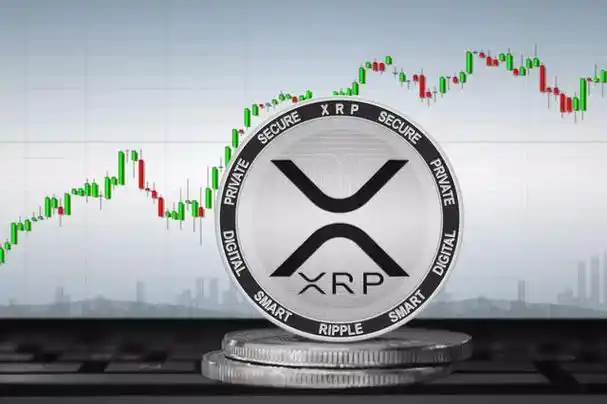
 XRP
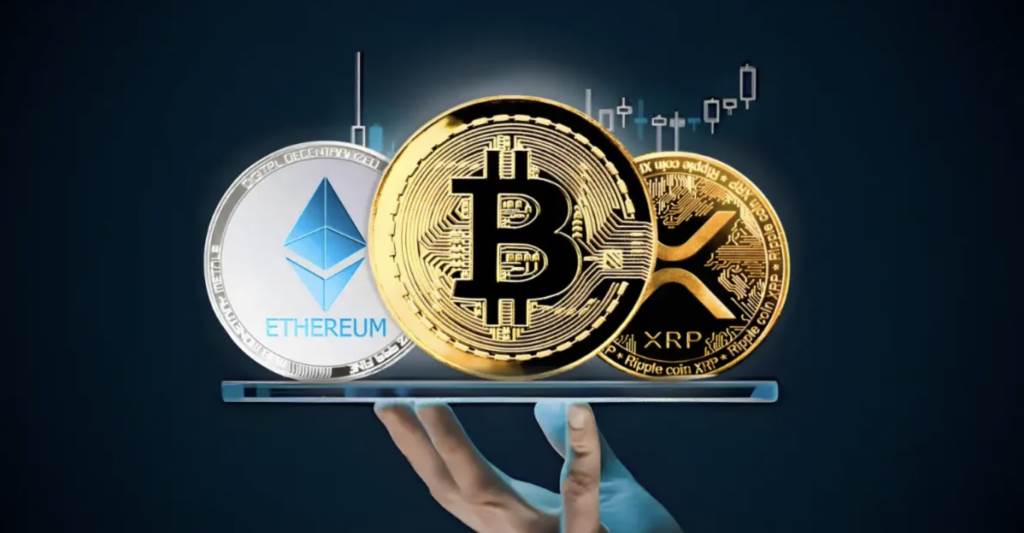
XRP is a digital asset based on the XRP Ledger. It is known for its fast processing speed, low cost, and energy efficiency, making it ideal for modern cross-border payments. As a public, decentralized blockchain, XRP excels in terms of transaction speed and scalability. This has led to increased attention in the field of fintech. This article will provide you with an overview of XRP’s technical advantages, history, and market performance. We will also discuss recent security and regulatory developments, helping you better understand XRP’s role in global digital payments.
What is XRP? Why is it important?
XRP is not just a cryptocurrency; it serves as the engine that drives the XRP Ledger—a blockchain specifically designed for facilitating payments. With a transaction speed of approximately 3 seconds and a cost of only $0.0002 per transaction, XRP is ideal for high-volume, low-cost cross-border transfers. Its scalability—capable of handling over 1,500 transactions per second—combined with its carbon-neutral design, makes it an attractive option for both retail and institutional users.
Key features:
Speed: Approximately 3 seconds per transaction.
Cost: Approximately $0.0002 per transaction.
Scalability: Over 1,500 transactions per second.
Carbon neutrality: Environmentally sustainable design.
These features explain why XRP has become the cornerstone of financial applications that require fast and reliable payment processing.
What is XRP? What is Ripple Coin?
Ripple is a privately held fintech company that provides global payment solutions through its proprietary payment network, known as the RippleNet. RippleNet operates on the Ripple Consensus Ledger XRP Ledger (also referred to as XRPL). Ripple has funded the development of this open-source ledger. Unlike most cryptocurrencies that cater to peer-to-peer needs, Ripple aims to connect banks, payment providers, and digital asset exchanges, enabling real-time settlement and reducing transaction costs. The technology behind XRP is the XRP Ledger. This ledger is designed to handle payments efficiently and quickly. Unlike other blockchains focused on general-purpose applications, the XRP Ledger is specifically built for payments. Its design utilizes a consensus protocol that allows for fast transaction confirmation. Additionally, it features high throughput, eliminating the need for energy-intensive mining. The XRP Ledger offers several advantages: decentralization and open-source nature, allowing anyone to contribute or audit the code; immutable transactions, meaning that once a transaction is confirmed in the ledger, it cannot be changed; low-cost payments, with XRP fees as low as $0.0002, making it an affordable solution for cross-border transfers; and scalability, as it can process over 1,500 transactions per second, making it widely utilized worldwide. By emphasizing decentralization and security, the XRP Ledger becomes a reliable foundation for digital payments.The team and institutional support for XRP have played a crucial role in its development and success. XRP is backed by experienced professionals and important institutional investors. Key individuals behind XRP include: Chris Larsen, the executive and key leader of XRP; Arthur Britto, one of the co-founders of XRP; Ryan Fugger, the founder of XRP; Jed McCaleb, another co-founder who played a key role in the early development of the XRP ledger. In addition to this strong leadership team, XRP also receives support from renowned investors such as a16z, Pantara Capital, Blockchain Capital, Digital Currency Group, Arrington XRP Capital, Lightspeed Venture Partners, GV (Google Ventures), SBI Investment, and others. This visionary leadership and strong institutional support enhance XRP’s credibility and long-term potential. XRP’s history dates back to 2011, when the XRP ledger was created. Its development accelerated under the guidance of pioneers like Jed McCaleb and Arthur Britto. In September 2012, Ripple was established together with Chris Larsen, initially named OpenCoin Inc. The company received 8 billion XRP as a reward for developing the XRP ledger. Today, XRP is considered one of the most influential digital assets in the cryptocurrency ecosystem. Milestones: Release date: April 17, 2011.Total supply: Initially set at 100 billion XRP; today, the circulating supply is approximately 57.95 billion XRP, making the total supply close to 99.99 billion XRP.
Historical price points:
Issue price: $0.005874
Highest price: $3.40 (January 7, 2018)
Lowest price: $0.002686 (May 22, 2014)
In 2017, Ripple deposited 55 billion XRP into escrow accounts. This move was aimed at ensuring predictable supply growth and maintaining stability in the market over the long term.
Market performance and key indicators of XRP
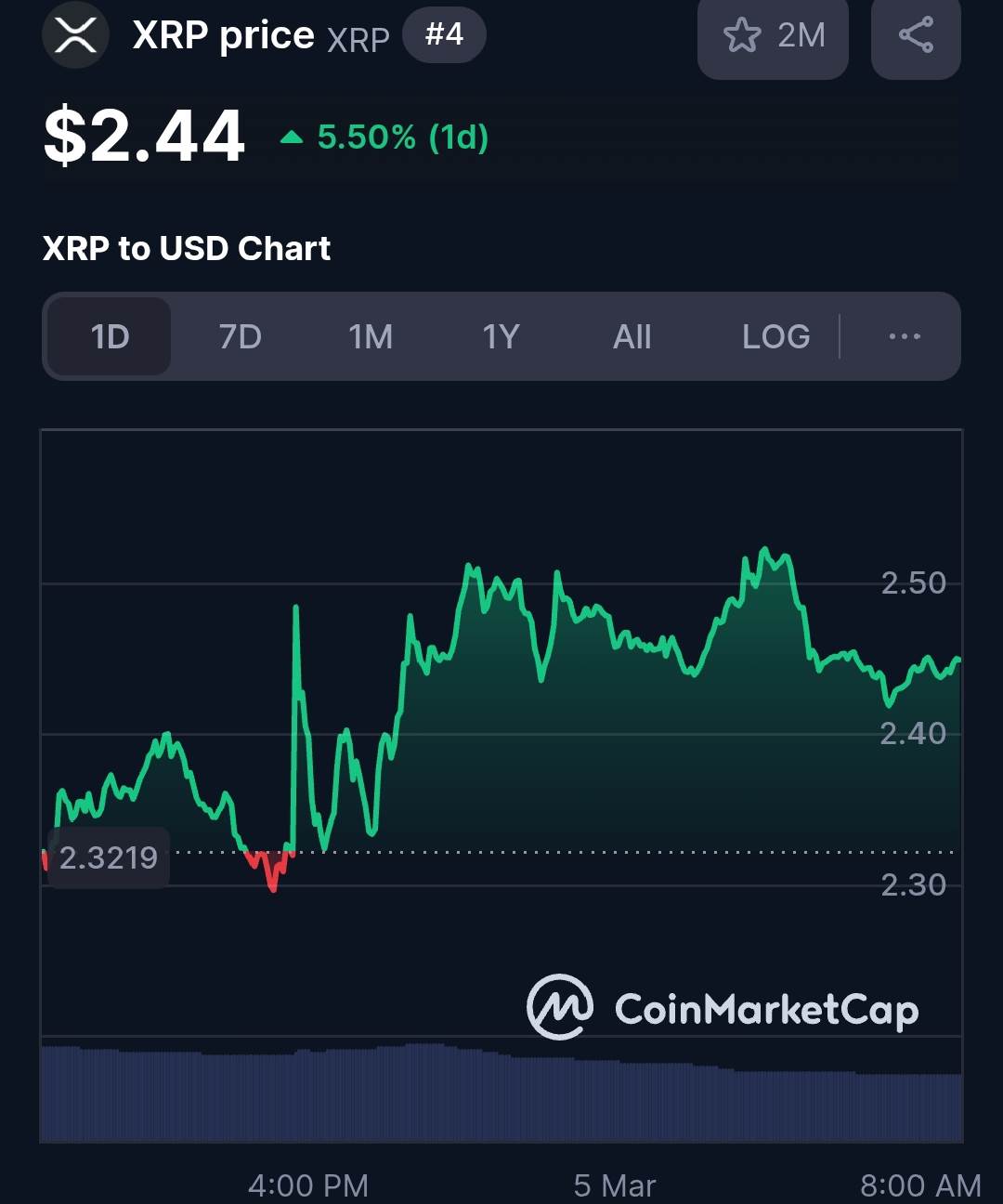
XRP has maintained a strong position in the market, ranking third among cryptocurrencies. The market value of XRP is approximately 144.7 billion US dollars. It is widely held on 57 exchanges, and over 6 million addresses actively trade it. Its impressive liquidity and widespread adoption have solidified its status as a leading digital asset.
Market data snapshots:
Market value: 14.47 billion US dollars
Circulating supply: 5.795 billion XRP
Maximum supply: 100 billion XRP
Fully diluted market value: $24.97 billion
Ratio of market value to total circulation: 57.95%
Number of holders: 6 million
Number of listed exchanges: 57
Market sentiment: Positive
These indicators indicate not only widespread adoption but also a strong presence of institutional and retail investors. XRP’s relatively high market value and liquidity highlight its importance in the global crypto market.
(all data as of March 4, 2025)
Security and regulatory measures for XRP
The recent security vulnerabilities resulted in losses of up to $1.4 billion, highlighting the importance of secure and compliant encryption infrastructure. In response, XRP has been actively promoting its custody solutions, aiming to provide institutional-level security with trust and resilience.
Additionally, XRP is expanding its institutional services. Today, XRP has partnered with BDACS in South Korea to enhance institutional cryptocurrency custody services. Through this partnership, BDACS will use XRP’s custody services to protect XRP, RLUSD, and other digital assets, facilitating institutional adoption and compliance with regulations. This collaboration marks an important step forward in advancing the development of the blockchain economy in a region where regulatory environments are constantly evolving.
The rise of stablecoins and on-chain payments: XRP
The evolution of finance is driven by the emergence of stablecoins, which are digital currencies pegged to stable assets like the US dollar. Stablecoins promote on-chain payments, decentralized finance (DeFi), and cross-border commerce, providing trust and compliance in the digital asset realm. XRP is at the forefront of this evolution, with its stablecoin RLUSD bringing transparency and regulatory compliance to the ecosystem.
For more information about stablecoins, please refer to XRP’s guide on stablecoins, which explains how they work and their importance in today’s financial system.
The global impact and future prospects of XRP
The design, purpose, and technological innovations of XRP make it a unique asset in the world of cryptocurrencies. As a digital asset optimized for payments, XRP serves as a bridge between traditional finance and emerging blockchain technology. Its low cost, fast processing speed, and scalability make it ideal for cross-border payments, remittances, and micro payments.
Global adoption and use cases:
Cross-border payments: XRP’s efficiency in handling international transactions makes it an ideal choice for banks and payment providers who seek to reduce costs and increase speeds.
Institutional integration: With increasing partnerships and institutional investment, XRP is expected to become a key asset in the global financial system.
Decentralized finance: As DeFi continues to grow, XRP’s capabilities to facilitate fast and inexpensive transactions will be invaluable in promoting decentralized applications.
Sustainability: Its carbon-neutral design attracts environmentally conscious investors, aligning with the growing trend of sustainable finance.
With over a decade of solid foundation and a clear roadmap for future innovation, XRP has not only survived but is also thriving. As the world embraces digital finance more widely, XRP’s role as a secure, efficient, and scalable payment solution will continue to expand.
Why XRP is valuable
XRP的价值源自其技术优势、市场采用以及持有者对其的信心的结合。与传统的法定货币或实物商品不同,XRP的价值来自于其网络安全性、交易处理效率以及作为不同金融系统之间桥梁的实用性。
关键价值驱动因素:
信任与安全:XRP账本的去中心化和不可变性确保交易安全和透明。
成本效率:低交易费使XRP成为微交易和高价值转账的有吸引力的选择。
网络效应:XRP在拥有超过600万持有地址并在57个交易所上线的情况下,受益于庞大和活跃的用户群体。
机构支持:在主要投资者和战略合作伙伴的支持下,XRP具有很强的机构信誉。
历史表现:XRP的悠久历史和重要里程碑,比如将其放入托管以管理供应增长,展示了对长期稳定的承诺。
XRP的文化和经济意义
XRP代表了我们在数字时代如何看待货币和交易的范式转变。它体现了从依赖实物资产和中心化机构的传统金融系统向数字化、去中心化金融新时代的演变。以下是XRP在文化和经济上的独特之处:
数字原生货币:XRP是为互联网而构建的,旨在在无边界、去中心化的世界中运行,提供无与伦比的速度和可访问性。
On a global scale, XRP utilizes its open and transparent blockchain technology to transcend national boundaries, becoming a true global asset.
Economic inclusiveness: By eliminating the need for traditional banking infrastructure, XRP provides financial services to those who do not have bank accounts worldwide.
Irreversible records: Once a transaction is recorded on the XRP ledger, it cannot be altered, ensuring a high level of trust and reliability.
These features collectively explain why XRP is seen as a fundamental component of the future financial ecosystem, rather than just another digital currency.
Conclusion: XRP represents the future of digital finance. It’s a pioneering digital asset with a rich history, solid technical foundation, and a clear vision for the future. With its lightning-fast transaction speeds, low costs, and strong scalability, XRP aims to meet the needs of modern financial systems. Supported by decentralized, open-source ledgers, and backed by powerful institutions, XRP symbolizes what future currencies could look like—safe, efficient, and globally accessible.
In conclusion, as the world embraces the future of digital finance, XRP remains a symbol of innovation and reliability. Its lasting legacy, combined with forward-looking initiatives and strong market fundamentals, ensures that XRP will continue to shape the global financial landscape in the coming years. Stay informed, get involved, and witness how XRP redefines the way we conduct transactions in the digital age.