Exchange Ranking
 Top Exchanges
 24h Volume Ranking
 Popularity Ranking
 Exchange BTC Balance
 Proof of Reserves
 Decentralized Exchanges
 Funding Rate
 Funding Heatmap
 Liquidation Data
 Max Pain
 Long/Short Ratio
 Whale L/S Ratio
 Binance/Okex/Huobi L/S
 Bitfinex Margin L/S
 ETF Tracker
 Solana ETF
 XRP ETF
 Hong Kong ETF
 Bitcoin Treasuries
 Crypto Reversal
 Ethereum Reserves
 HyperLiquid Wallet Analysis
 Hyperliquid Whale Watch
 Large Transactions
 On-chain Movement
 Bitcoin ROI
 Stablecoin Market Cap
 Options Analysis
 News
 Articles
 Economic Calendar
 Features
 Wallet
 Contract Calculator


 Security
 Collections
 Watchlist
 Following
 BTC
Inflation data eased pressure, Bitcoin returned to the US$85,000 mark
On Wednesday, as U.S. inflation data fell below expectations, easing pressure from the bond market-which had previously become one of the main macro headwinds facing crypto assets-Bitcoin prices moved closer to the US$85,000 region.
Data from the U.S. Bureau of Economic Analysis (BEA) showed that the PCE price index rose 0.3% month-on-month in August, while the core PCE index excluding food and energy rose 0.2% month-on-month. The annualized overall inflation rate was 3.4%, while the core inflation rate slowed to 3.0%. The report also includes revised annual data dating back to 2021, making comparisons with previously released data more complex.
This distinction is crucial. Inflation did not collapse suddenly, but the monthly data were mild enough to change the current interest rate narrative as markets prepare for a more hawkish decision from the Fed.
U.S. bond yields fell, making room for Bitcoin recovery.
The most obvious reaction came from the bond market. The yield on the 10-year U.S. bond was approximately 5.234% before the data was released, and then fell to approximately 5.203%; the yield on the 2-year U.S. bond also fell from 4.881% to approximately 4.845%. Affected by this data, the market's expectations for the Federal Reserve to raise interest rates again in October have also cooled down.
This is particularly critical for Bitcoin, as U.S. bond yields have climbed to their highest levels since 2007, creating extremely fierce competition for risky assets. During the climb in U.S. bond yields, Bitcoin has been trading around $84,000, leaving BTC in a tug of war between macro pressure and continued institutional demand.
Report is not completely dovish
Despite Bitcoin's rebound, there are some reasons why it should not be regarded as a purely macro breakthrough. U.S. consumer spending jumped sharply by 0.9% in August, and real personal consumption expenditure (PCE) rose by 0.6%, indicating that U.S. economic demand remains strong. Strong spending could lead to inflationary stickiness, leaving the Fed with little reason to rush to easing.
As a result, Bitcoin still faces market tensions that have prevailed throughout September: a game between improving institutional demand and restrictive financial conditions.
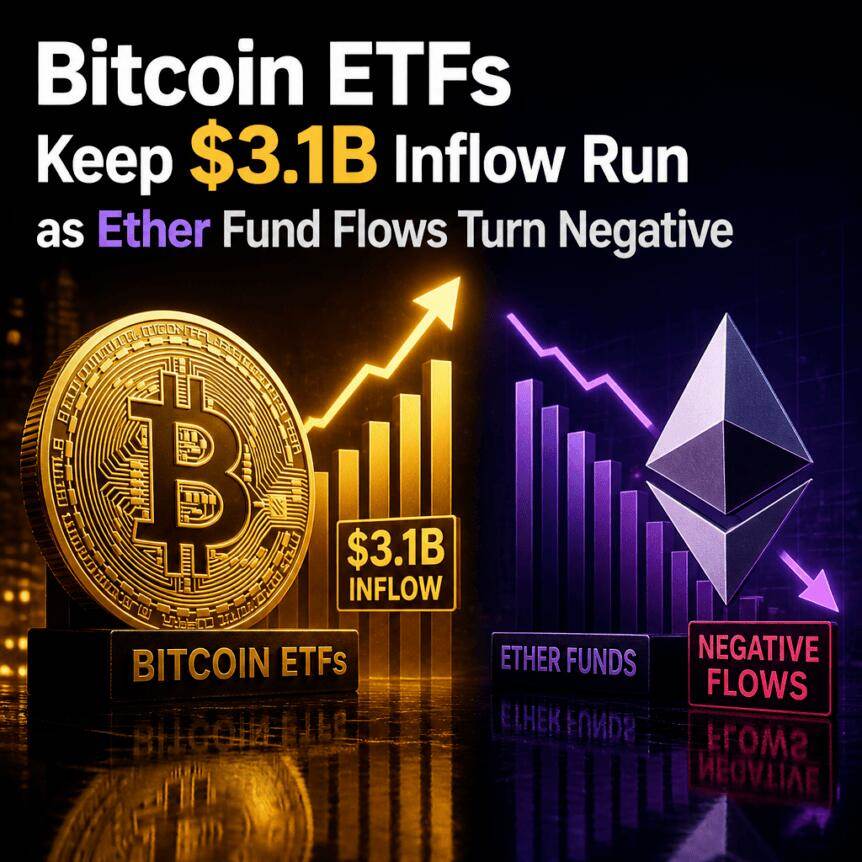
In the latest full trading day, the U.S. spot Bitcoin ETF attracted US$31 million in inflows, compared with approximately US$2.39 billion in inflows last week.