Exchange Ranking
 Top Exchanges
 24h Volume Ranking
 Popularity Ranking
 Exchange BTC Balance
 Proof of Reserves
 Decentralized Exchanges
 Funding Rate
 Funding Heatmap
 Liquidation Data
 Max Pain
 Long/Short Ratio
 Whale L/S Ratio
 Binance/Okex/Huobi L/S
 Bitfinex Margin L/S
 ETF Tracker
 Solana ETF
 XRP ETF
 Hong Kong ETF
 Bitcoin Treasuries
 Crypto Reversal
 Ethereum Reserves
 HyperLiquid Wallet Analysis
 Hyperliquid Whale Watch
 Large Transactions
 On-chain Movement
 Bitcoin ROI
 Stablecoin Market Cap
 Options Analysis
 News
 Articles
 Economic Calendar
 Features
 Wallet
 Contract Calculator


 Security
 Collections
 Watchlist
 Following
 BTC
AI威胁比特币安全?行业领袖驳斥“加密系统将被破解”论调
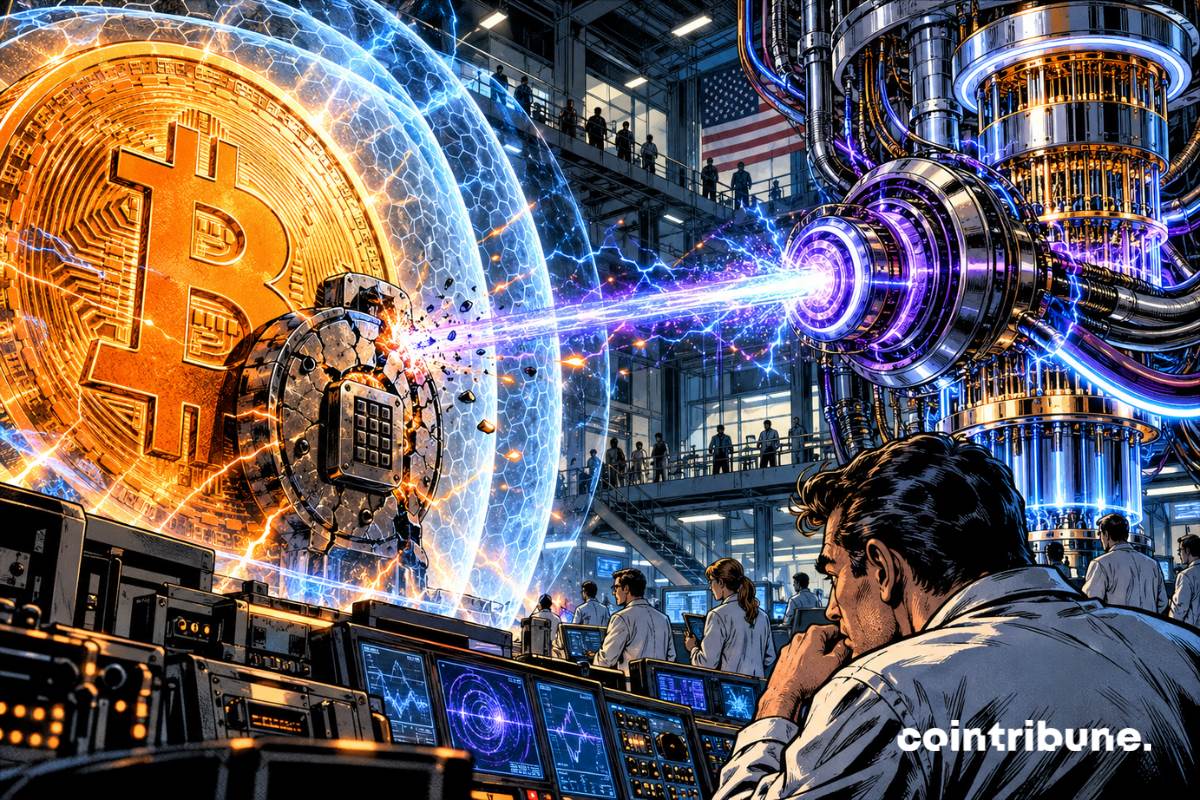
关于人工智能(AI)可能突破比特币底层加密系统的担忧,在加密货币领域引发了广泛争议。Helius首席执行官Mert Mumtaz与Ledger首席技术官Charles Guillemet均对近期有关AI构成迫在眉睫的安全威胁的说法予以否认。
AI进展并非比特币安全的即时风险
Ledger作为领先的加密货币硬件钱包提供商,其技术负责人Guillemet指出,尽管由AI驱动数学研究的进步值得关注,但这并不意味着比特币的安全性即将崩溃。他在X平台(原推特)上发表文章称,如果AI具备了破解公钥密码学的能力,其危害将远超数字资产本身。这种威胁将波及全球范围内的银行系统、网站、加密通讯以及关键基础设施。
此前,安全研究人员曾发出警告,称AI可能有助于识别保护加密钱包的算法弱点。比特币依赖密码学来保障资产安全和验证交易;若此类攻击成功,可能导致私钥泄露及资金被盗。然而,行业领袖普遍认为,AI迅速实现这一突破的可能性极低。
Guillemet explained that although mathematical research is making progress,"new mathematical results are not the same as actual attacks on Bitcoin digital signatures." ECDSA (Elliptic Curve Digital Signature Algorithm) is the core cryptographic protocol used to protect Bitcoin transactions. It ensures the legitimacy of transactions by proving that the transaction originator owns the private key of the associated wallet.
Mumtaz's Helius company, which focuses on building the infrastructure of the Solana blockchain, expressed similar views. He said that while AI may help discover vulnerabilities, it currently appears unlikely that it will quickly crack all major blockchain protocols. Mumtaz warned markets that investors should not allow responses to early research to outpace actual technological threats.
In addition, Mumtaz added: "AI can also help researchers discover and fix software weaknesses, rather than just discovering new threats."
The debate between market anxiety and actual risks
Some community members remain skeptical of the conciliatory remarks. Cryptocurrency user "pwnmachine" believes that unlike traditional banks, cryptocurrency platforms have few means to provide relief to users in the event of a major intrusion. Another user, Julius crypt, pointed out that rumors spread quickly and often force users who demand certainty to take action. X platform user LOID remark said that even minor improvements in attack strategies could cause disproportionate panic if investors believed that the encryption system was about to collapse completely.
Notably, Xplatform user @metavestor stated that he had sold most of his physical cryptocurrency holdings due to rising anxiety after reading reports about potential AI threats. While he acknowledges that there are counterarguments, they represent individual strategy rather than broad investor sentiment, highlighting how even unproven perceptions of risk can significantly influence trading behavior.
The correlation analysis report further examines the shift in attack methods against cryptocurrency assets and emphasizes the importance of distinguishing between theoretical weaknesses and actual attacks. The overall conclusion is that research vigilance is critical, but fear-based decisions tend to disrupt markets more than actual vulnerabilities.
The core of this discussion is "prepared" rather than "panicked." Experts insist that there is currently no evidence that AI or mathematical advances can undermine Bitcoin's security. Researchers and blockchain developers are called on to continue conducting rigorous testing and update cryptographic protocols if necessary. At the same time, some traders are shifting assets based on fear that they do not yet have a basis in reality, demonstrating the powerful role of uncertainty in market influence.