Exchange Ranking
 Top Exchanges
 24h Volume Ranking
 Popularity Ranking
 Exchange BTC Balance
 Proof of Reserves
 Decentralized Exchanges
 Funding Rate
 Funding Heatmap
 Liquidation Data
 Max Pain
 Long/Short Ratio
 Whale L/S Ratio
 Binance/Okex/Huobi L/S
 Bitfinex Margin L/S
 ETF Tracker
 Solana ETF
 XRP ETF
 Hong Kong ETF
 Bitcoin Treasuries
 Crypto Reversal
 Ethereum Reserves
 HyperLiquid Wallet Analysis
 Hyperliquid Whale Watch
 Large Transactions
 On-chain Movement
 Bitcoin ROI
 Stablecoin Market Cap
 Options Analysis
 News
 Articles
 Economic Calendar
 Features
 Wallet
 Contract Calculator


 Security
 Collections
 Watchlist
 Following
 BTC
TeraWulf doubles Muskie data center capacity to 1 GW
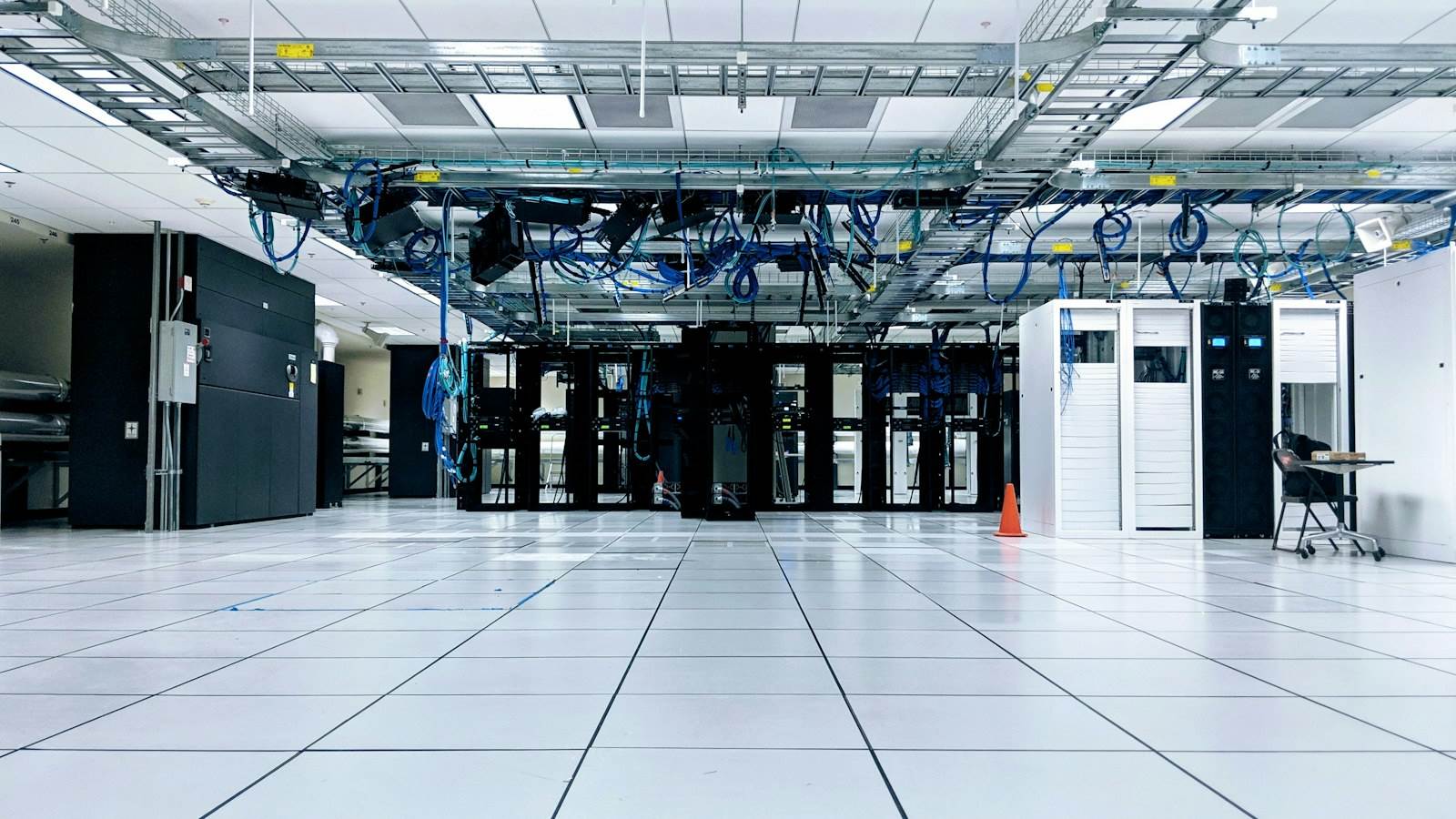
TeraWulf disclosed in an October 5, 2026 filing with the U.S. Securities and Exchange Commission (SEC) that the company is expanding its Muskie data center capacity from 500 MW to a full capacity of 1 GW. The expansion doubles the planned floor area of the site, further consolidating TeraWulf's position as a large data center infrastructure operator.
This move marks the gradual transformation of TeraWulf from a single Bitcoin miner to a broader digital Infrastructure services provider to meet the needs of high-performance computing. The company's stock code is WULF. According to the attachment to Form 8-K submitted on October 5, 2026, the Muskie data center's expansion plan reflects the growing market demand for large-scale power and data infrastructure, which not only support Bitcoin mining, but also increasingly serve high-performance computing workloads related to artificial intelligence.
Over the past year, TeraWulf has continuously adjusted its positioning from a company focused on Bitcoin mining to an operator providing comprehensive digital Infrastructure services. The company has entered into multiple agreements to lease some site capacity from artificial intelligence and cloud computing customers seeking reliable, scalable power access.
Increasing the capacity of a single data center from 500 megawatts to 1 gigawatt is a major capital commitment that requires expanding power procurement, upgrading cooling infrastructure and strengthening on-site construction, with a project volume that far exceeds the original plan. TeraWulf has been pursuing a strategy of locating its facilities close to low-cost power sources, especially areas with renewable energy or proximity to nuclear power generation. This location advantage makes its site extremely attractive to hyperscale computing tenants who can obtain the capacity they need without building new power infrastructure from scratch.
The Muskie data center expansion is in line with a broad trend across the industry: Bitcoin miners are using their expertise in obtaining cheap electricity and managing energy-intensive facilities to break into the booming AI data center market. Several companies, including Core Scientific, Cipher Mining and Hut8, have taken similar strategic transformations in the past year. This shift is particularly attractive as the economic benefits of hosting AI computing workloads on a large scale in some cases even outweigh Bitcoin mining alone, especially for miners who have access to large amounts of contract power.
For TeraWulf, doubling the capacity of the Muskie data center shows the company's confidence in future demand-whether it's from AI customers, the ongoing Bitcoin mining business, or a combination of the two-will be strong enough to justify additional construction. Although the document does not clearly state a specific timetable for the full operation of 1 gigawatt capacity, the disclosure highlights that the pace of data infrastructure construction across the industry is accelerating as the Bitcoin mining economic model and AI computing needs continue to evolve.