Exchange Ranking
 Top Exchanges
 24h Volume Ranking
 Popularity Ranking
 Exchange BTC Balance
 Proof of Reserves
 Decentralized Exchanges
 Funding Rate
 Funding Heatmap
 Liquidation Data
 Max Pain
 Long/Short Ratio
 Whale L/S Ratio
 Binance/Okex/Huobi L/S
 Bitfinex Margin L/S
 ETF Tracker
 Solana ETF
 XRP ETF
 Hong Kong ETF
 Bitcoin Treasuries
 Crypto Reversal
 Ethereum Reserves
 HyperLiquid Wallet Analysis
 Hyperliquid Whale Watch
 Large Transactions
 On-chain Movement
 Bitcoin ROI
 Stablecoin Market Cap
 Options Analysis
 News
 Articles
 Economic Calendar
 Features
 Wallet
 Contract Calculator


 Security
 Collections
 Watchlist
 Following
 BTC
Binance's chief marketing officer recommends that a "Satoshi test" must be carried out before transferring large amounts.
Binance's chief marketing officer Eowyn Chen said that before sending large amounts, cryptocurrency users should take a simple measure: first send a small transaction to the target address to verify the accuracy of the address.
In the "The Sujal Show" program that premiered on October 1, Chen Youni pointed out that users can significantly reduce the risk of mistakenly transferring funds to the wrong wallet by performing a small test transaction before making a full transfer. She served as CEO of Trust Wallet and has deep insights into this.
What is the "Satoshi test"?
"I think the easiest and easiest way for people to remember is to do the so-called 'Satoshi test', which means not sending the full amount of funds directly." Chen Youni explained. Since cryptocurrency can be divided into extremely small units, she recommends that users first send about $1 (or the equivalent of a small asset) and confirm whether it successfully reaches the expected wallet.
"Once you verify that the address is correct, send large amounts of money." "Just use the dollar to check that the address is indeed correct," she said.
This approach is particularly important because transfers on blockchain are often irreversible. Sending funds to the wrong address may result in permanent loss of funds.
Address poisoning attacks increase risk
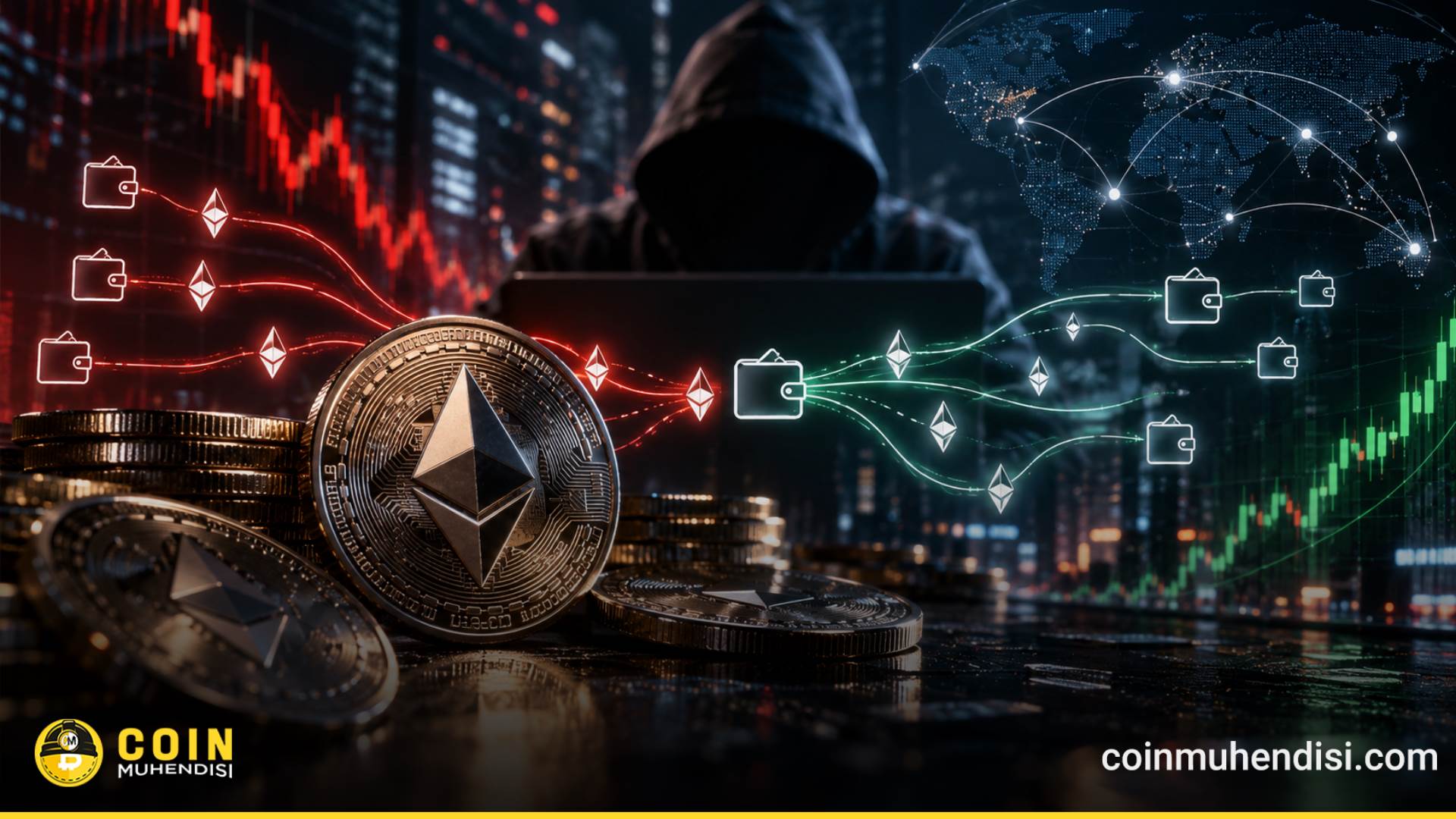
Chen Youni emphasized that "Address Poisoning" is one of the main reasons for taking additional preventive measures. In such attacks, fraudsters create new wallet addresses similar to those previously used by the victim in an attempt to induce the victim to copy and paste the fraudulent address from the transaction history.
A study released in September analyzed Ethereum activity from November 2022 to May 2025 and identified 4,209 cases of victim transfers from address poisoning attacks, with a total value of approximately US$166.3 million.
For example, in an incident in May 2024, a victim mistakenly sent 1,155 Wrapped Bitcoins worth approximately US$70 million to an address. The first and last characters of this address are very similar to the address of the intended recipient. Fortunately, the funds were later recovered.
Being vigilant is still the gold standard
Chen Youni said that although wallet providers are adding tools to compare recipient addresses with previous transactions, users still need to rely on simple self-protection measures.
"You never know what new tricks a scammer will come up with, which is why the 'Satoshi Test' is still the gold standard." She concluded.