
 Exchange Ranking
 Top Exchanges
 24h Volume Ranking
 Popularity Ranking
 Exchange BTC Balance
 Proof of Reserves
 Decentralized Exchanges
 Funding Rate
 Funding Heatmap
 Liquidation Data
 Max Pain
 Long/Short Ratio
 Whale L/S Ratio
 Binance/Okex/Huobi L/S
 Bitfinex Margin L/S
 ETF Tracker
 Solana ETF
 XRP ETF
 Hong Kong ETF
 Bitcoin Treasuries
 Crypto Reversal
 Ethereum Reserves
 HyperLiquid Wallet Analysis
 Hyperliquid Whale Watch
 Large Transactions
 On-chain Movement
 Bitcoin ROI
 Stablecoin Market Cap
 Options Analysis
 News
 Articles
 Economic Calendar
 Features
 Wallet
 Contract Calculator


 Security
 Collections
 Watchlist
 Following
Disclaimer: Content does not constitute investment advice. Trading involves risks—please invest with caution!
代币化货币市场基金:链上收益如何运作
2026-10-05 21:35:19
Bookmark
Disclaimer:
All content published on this website, including hyperlinks, related applications, forums, blogs, and other media accounts, originates from third-party platforms and their users. CoinMarketInsight makes no representations or warranties of any kind regarding the website or its content. All blockchain-related data and materials are provided for informational and research purposes only and do not constitute financial, legal, or investment advice. Users and third parties are solely responsible for the content they publish. CoinMarketInsight shall not be liable for any losses arising from the use of this website. You should exercise caution and conduct your own independent research, review, analysis, and verification before making any decisions.
Read Full Article
0.00%
0.00%
Bullish
Bearish
Hot Coins
More-

BTC
$1.57万亿$78099.99
0.59% -

WBTC
$101.23亿$78058.15
0.59% -

WBT
$63.17亿$66000.00
5.61% -

TBTC
$2.26亿$62871.90
2.63% -

PAXG
$19.25亿$4463.26
0.09% -

XAUT
$27.31亿$4457.09
0.02% -

ULTIMA
$2.44亿$2786.70
2.40% -

WBETH
$33.81亿$2714.08
0.94% -

METH
$16.94亿$2707.82
1.22% -

ETH
$2965.23亿$2457.03
0.88% -

YFI
$8290.13万$2322.00
13.21% -

LSETH
$3.07亿$2004.96
0.85% -

BETH
$3.65亿$1779.50
1.17% -

ZEC
$140.80亿$838.18
5.60% -

SPYX
$1.63亿$755.59
0.25% -

QQQX
$1.50亿$717.95
0.64% -

BNB
$924.92亿$694.44
0.85% -

METAX
$8636.74万$608.12
2.17% -

XMR
$89.57亿$478.36
2.01% -

UNHX
$4946.38万$426.90
1.57%
-
Today's News
-
This article explains in detail the operating mechanism, sources of income, comparison with traditio...代币化货币市场基金:链上收益如何运作2026-10-05

-
Bloomberg terminals connect to Hyperliquid market data, providing users with integrated access to tr...彭博社新增Hyperliquid市场数据,扩展对24/7永续合约的访问2026-10-05
-
Spot trading volumes of Binance, Bybit and Kraken rebounded in September, but capital flows fluctuat...Bitcoin spot trading volume rises, but demand remains weak2026-10-05
-
Bitcoin's rise on Sunday triggered a repeat of historical patterns. Analysts warned of a possible c...Bitcoin Alert on Monday! The same signal has been repeated for five consecutive weeks2026-10-05
-
Japanese investment firm Metaplanet has launched a net interest income strategy to accelerate the ac...Metaplanet unveils net profit strategy to drive Bitcoin accumulation2026-10-05
-
金融分析师Levi指出XRP鲸鱼近期大幅增持并导致交易所大量流出,引发市场关于战略意图与供应冲击的分歧讨论。...Large XRP wallets increase their holdings by 1.6 billion XRPs, and whale outflows surge2026-10-05

-
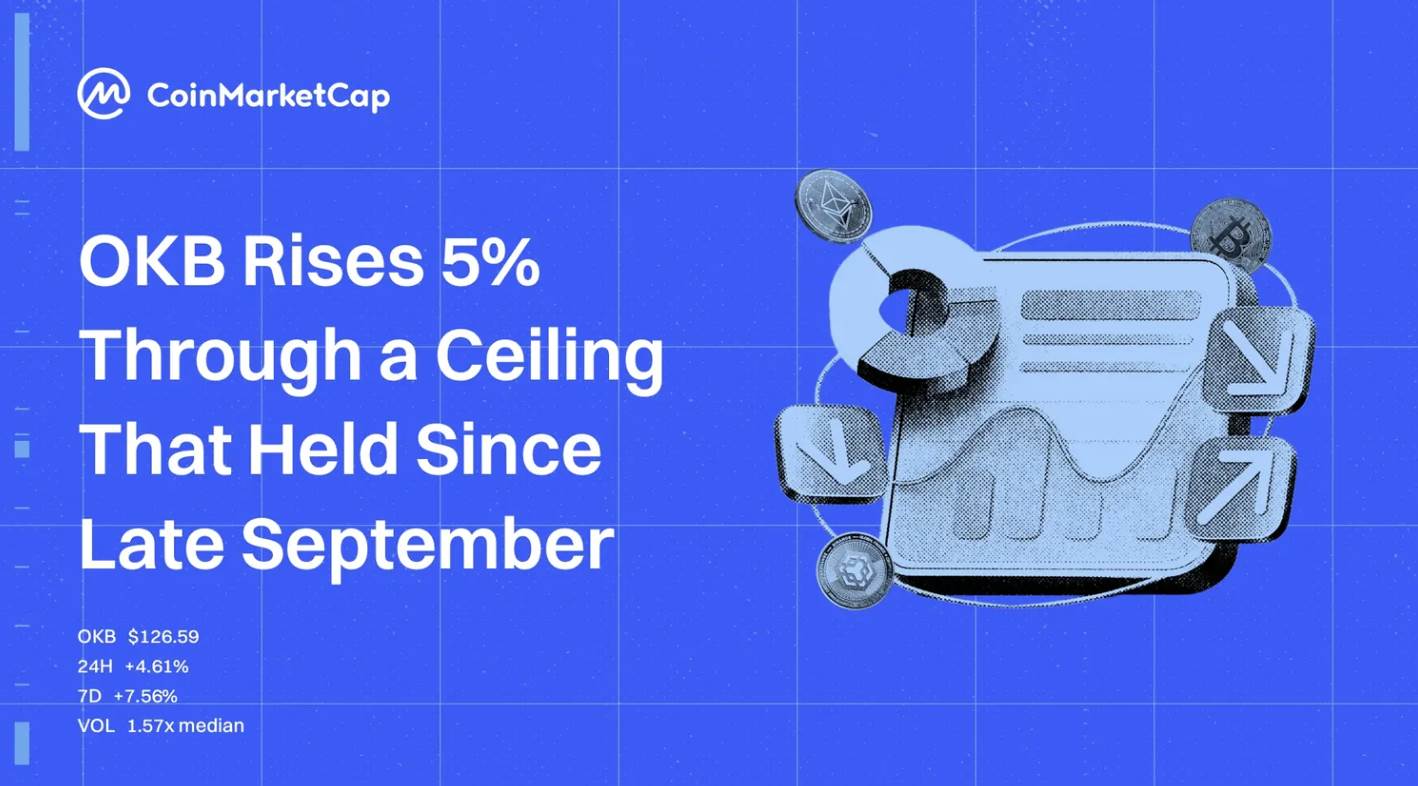
OKB broke through the resistance level in late September and rose by 5%, with trading volume signifi...OKB rose 5%, breaking through resistance since late September2026-10-05
-
Standard Chartered Bank predicts that four altcoins, Uniswap, Morpho, Aave and Arbitrum, will benefi...Standard Chartered Bank pays attention to the four major altcoins! Target price announced, details a2026-10-05
-
Payward与SGB Net合作推出24/7即时结算网络,为亚洲及海湾地区机构客户提供全天候数字资产资金结算与流动性支...Kraken parent company Payward joins hands with SGB to achieve instant cryptocurrency settlement2026-10-05
-
萨姆森·莫质疑Zcash涨势,批评其基本面缺乏投机兴趣,而支持者则强调NU7升级和ETF资金流入支撑其12个月内飙升1...Samson Mow questioned Zcash's gains despite ZEC's 1,077% gain in the past 12 months2026-10-05
-
Matthew Siegel, director of Van Erke research, pointed out that if Bitcoin's market value reaches h...VanEck的Matthew Sigel表示,若比特币市值达到黄金的一半,其价格有望升至50万美元2026-10-05

-
OKX and ICE announced plans to open a round-the-clock tokenized U.S. stock trading venue through the...代币化股票登陆本土市场,OKX与纽约证券交易所所有者计划打造全天候美国交易平台2026-10-05
-
HYPE prices face a key wedge test for rising, with a bearish divergence on RSI, and US$14.58 million...HYPE prices face critical tests, and repurchase funds continue to expand2026-10-05

-
This article analyzes the logic of altcoin rotation under the stabilization of Bitcoin in October 20...Top five altcoins worth buying in October 2026: These currencies may be about to soar2026-10-05
-
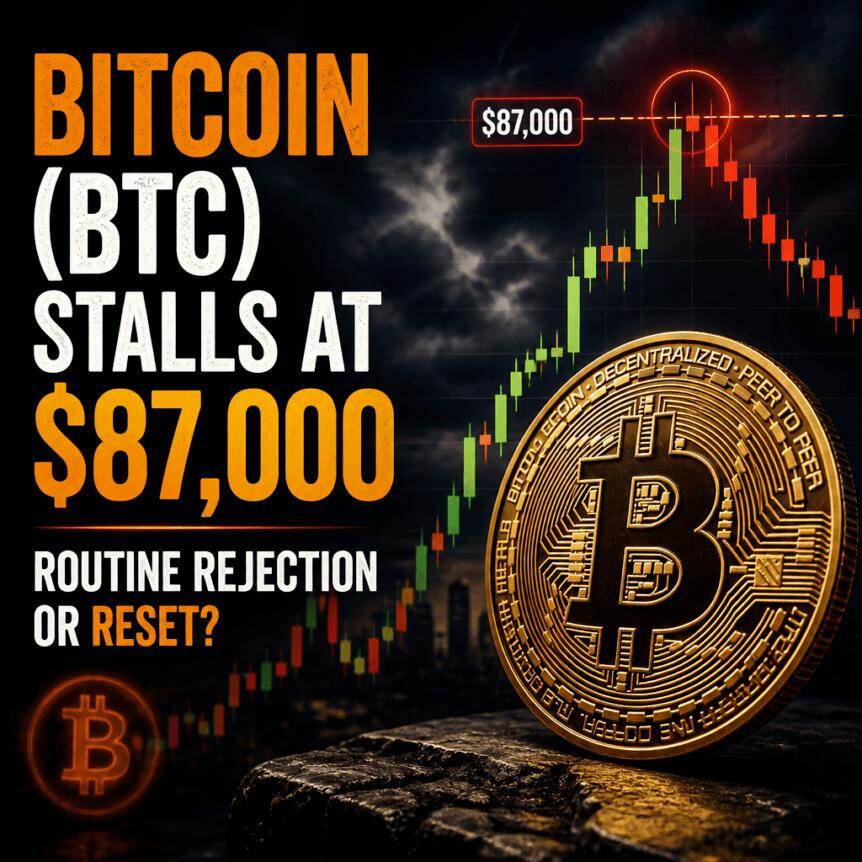
Bitcoin was again blocked at the key resistance level of $87,000, and the price remained volatile in...Bitcoin (BTC) stagnates at $87,000. Is it a regular correction or a reset?2026-10-05
-
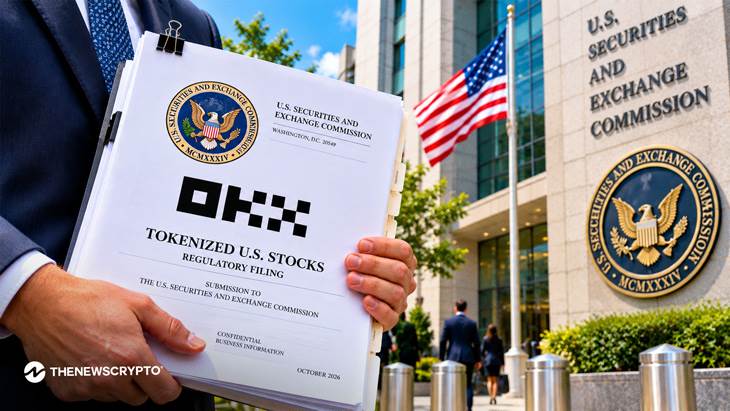
OKXICE submitted an application based on the SEC's innovation exemption and plans to cooperate with...OKXICE targets the U.S. tokenized securities market and submits SEC innovation exemption application2026-10-05
-
The SEC has approved a 3-fold leveraged Bitcoin ETF, which provides amplified returns through a dail...美国证券交易委员会批准三只比特币ETF:市场影响解析2026-10-05
-
Matthew Sigel, director of research at VanEck, proposed a medium-term target price of Bitcoin at US$...比特币价格:VanEck认为比特币有望翻倍,黄金缺口为50万美元目标提供空间2026-10-05
-
Bitcoin's 50th, 100th and 200th moving averages are about to form a rare rising rank in more than a...比特币一年首次出现!这一信号意味着什么?2026-10-05
-
In the third quarter, Metaplanet proved to rating agencies its asset liquidity and willingness to re...Metaplanet sold 10,000 bitcoins and bought back 11,000 to prove its point2026-10-05
More News
-
![代币化货币市场基金:链上收益如何运作]() 代币化货币市场基金:链上收益如何运作This article explains in detail the operating mechanism, sources of income, comparison with traditional funds, and analy...2026-10-05
-
![彭博社新增Hyperliquid市场数据,扩展对24/7永续合约的访问]() 彭博社新增Hyperliquid市场数据,扩展对24/7永续合约的访问Bloomberg terminals connect to Hyperliquid market data, providing users with integrated access to track commodities, sto...2026-10-052.44%%
 HYPE
-
![Bitcoin spot trading volume rises, but demand remains weak]() Bitcoin spot trading volume rises, but demand remains weakSpot trading volumes of Binance, Bybit and Kraken rebounded in September, but capital flows fluctuated sharply, and anal...2026-10-050.59%%
BTC
-
![Bitcoin Alert on Monday! The same signal has been repeated for five consecutive weeks]() Bitcoin Alert on Monday! The same signal has been repeated for five consecutive weeksBitcoin's rise on Sunday triggered a repeat of historical patterns. Analysts warned of a possible correction on Monday,...
-
![Metaplanet unveils net profit strategy to drive Bitcoin accumulation]() Metaplanet unveils net profit strategy to drive Bitcoin accumulationJapanese investment firm Metaplanet has launched a net interest income strategy to accelerate the accumulation of Bitcoi...2026-10-050.59%%
BTC
-
![Large XRP wallets increase their holdings by 1.6 billion XRPs, and whale outflows surge]() Large XRP wallets increase their holdings by 1.6 billion XRPs, and whale outflows surge金融分析师Levi指出XRP鲸鱼近期大幅增持并导致交易所大量流出,引发市场关于战略意图与供应冲击的分歧讨论。...2026-10-050.53%%
 XRP
-
![OKB rose 5%, breaking through resistance since late September]() OKB rose 5%, breaking through resistance since late SeptemberOKB broke through the resistance level in late September and rose by 5%, with trading volume significantly enlarged and ...2026-10-053.55%%
 OKB
-
![Standard Chartered Bank pays attention to the four major altcoins! Target price announced, details a]() Standard Chartered Bank pays attention to the four major altcoins! Target price announced, details aStandard Chartered Bank predicts that four altcoins, Uniswap, Morpho, Aave and Arbitrum, will benefit significantly from...
-
![Kraken parent company Payward joins hands with SGB to achieve instant cryptocurrency settlement]() Kraken parent company Payward joins hands with SGB to achieve instant cryptocurrency settlementPayward与SGB Net合作推出24/7即时结算网络,为亚洲及海湾地区机构客户提供全天候数字资产资金结算与流动性支持。...


