Exchange Ranking
 Top Exchanges
 24h Volume Ranking
 Popularity Ranking
 Exchange BTC Balance
 Proof of Reserves
 Decentralized Exchanges
 Funding Rate
 Funding Heatmap
 Liquidation Data
 Max Pain
 Long/Short Ratio
 Whale L/S Ratio
 Binance/Okex/Huobi L/S
 Bitfinex Margin L/S
 ETF Tracker
 Solana ETF
 XRP ETF
 Hong Kong ETF
 Bitcoin Treasuries
 Crypto Reversal
 Ethereum Reserves
 HyperLiquid Wallet Analysis
 Hyperliquid Whale Watch
 Large Transactions
 On-chain Movement
 Bitcoin ROI
 Stablecoin Market Cap
 Options Analysis
 News
 Articles
 Economic Calendar
 Features
 Wallet
 Contract Calculator


 Security
 Collections
 Watchlist
 Following
 BTC
The International Monetary Fund completes review of the El Salvador project and releases funds, Bitcoin reserves continue to climb
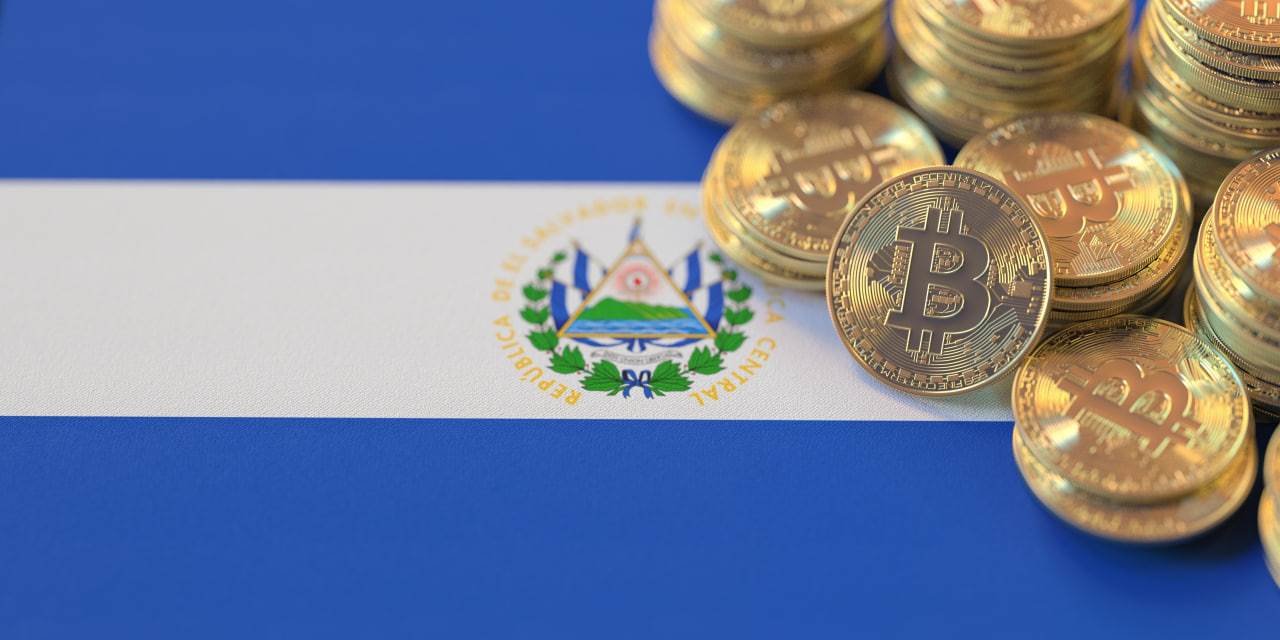
On October 1, 2026, the International Monetary Fund (IMF) completed the second and third reviews of the US$1.4 billion Extended Facilities Fund in El Salvador and released US$138 million in funds. Although the country failed to fully meet certain performance standards related to Bitcoin accumulation, the IMF approved the release of funds.
A week later, on October 8, the El Salvador Bitcoin Office reported that the country's Bitcoin reserves reached 7,798 BTC, an increase of 7 from a week ago, with a value of approximately US$640 million to US$645 million. The IMF does not expect any additional bitcoin accumulation beyond recorded private donations, and Salvadoran authorities have also said that the new coins do come from private donations.
Record default but still release funds: The effect of the exemption mechanism
The executive board did not declare that Bitcoin conditions had been met, but granted exemptions. This is a mechanism that allows continued disbursement of funds if the borrower fails to meet its goals but proposes corrective measures and makes a recommitment acceptable to the board. From an operational perspective, the lender recorded a default but chose not to interrupt the project.
Three other key points of this review involve the role of the country in the cryptocurrency field: the government-backed wallet Chivo Most of the ownership and operational control of Chivo (launched in 2021) has been transferred to private operators; the IMF wants more comprehensive reporting on public sector crypto asset holdings and stricter regulation of digital asset providers; and, IMF First Deputy Managing Director Dan Katz called for the complete removal of the country's last remaining exposure to Chivo.
Nothing in the statement would force El Salvador to sell the bitcoins it already holds.
Add 7 bitcoins per week: El Salvador denies state purchases
The project distinguishes three concepts that are often confused by news reports: holding existing bitcoins, using public resources to buy more bitcoins, and receiving coins from private donors. Only the second item is restricted.
In September 2026, the IMF disclosed that documents provided by Salvadoran authorities showed that increases since the first review in June 2025 had been funded by private donations and did not involve public funds. This explanation illustrates the arithmetic logic of the reserve tracker, which is still running at the speed of the "one bitcoin a day" policy announced by President Naeb Buker. But this does not resolve all doubts. The IMF's public statement did not mention the names of donors or provide a transaction-by-transaction audit, so it said that the IMF independently verified that each transfer was inaccurate. The exemptions granted in October also indicate that the documents did not address all cumulative criteria.
Debt close to 85% of GDP: Boucher opts for negotiation rather than exit
El Salvador's economic performance exceeded IMF expectations, which the IMF attributed to improved security conditions and increased investor confidence. However, public debt remains close to the size of annual output, which is why San Salvador chose to amend laws and privatize wallets rather than abandon lenders.
The IMF's objections are not limited to price fluctuations. Volatility assets on public balance sheets complicate financial reporting and liquidity planning and raise the question of whether borrowed or budgeted funds are ultimately exposed. Bitcoin reserves are approximately US$640 million, equivalent to 12% of total international reserves expected in 2026, a proportion that cannot be ignored for lenders focused on fiscal consolidation.
Backers of Bucker believe that scarce digital assets can diversify national reserves and may bring long-term benefits, but this depends entirely on future price movements.
Chivo's last national equity and anonymous donors will be tested in next review
Countries are withdrawing from operating consumer Bitcoin infrastructure. According to the IMF's September statement, the government retained Chivo's minority stake and responsibilities related to custody of client assets after the handover, and the IMF now requires that this residual exposure be eliminated. The move does not ban private cryptocurrency companies, and the country retains its regulatory framework for digital assets.
The decisive variable for reserve holders and observers is whether each new bitcoin continues to qualify for recorded private donations. Fuller disclosure of donor information would allow outsiders to distinguish donated bitcoins from state-funded purchases, which current statements do not allow.
The arrangement approved in February 2025 will last for 40 months and end in mid-2028, which means that multiple reviews will be conducted, when the cumulative standards will be tested again. The IMF also called for improvements to the regulatory framework, including possible changes to the Digital Asset Issuance Law, which is the legal basis for El Salvador to issue tokenized products. Any amendment to the law would affect private issuers and service providers, entities that are not involved in the controversy over government-owned wallets.