Exchange Ranking
 Top Exchanges
 24h Volume Ranking
 Popularity Ranking
 Exchange BTC Balance
 Proof of Reserves
 Decentralized Exchanges
 Funding Rate
 Funding Heatmap
 Liquidation Data
 Max Pain
 Long/Short Ratio
 Whale L/S Ratio
 Binance/Okex/Huobi L/S
 Bitfinex Margin L/S
 ETF Tracker
 Solana ETF
 XRP ETF
 Hong Kong ETF
 Bitcoin Treasuries
 Crypto Reversal
 Ethereum Reserves
 HyperLiquid Wallet Analysis
 Hyperliquid Whale Watch
 Large Transactions
 On-chain Movement
 Bitcoin ROI
 Stablecoin Market Cap
 Options Analysis
 News
 Articles
 Economic Calendar
 Features
 Wallet
 Contract Calculator


 Security
 Collections
 Watchlist
 Following
 PAXG
 XAUT
DeFi 如何通过代币化黄金实现资产扩展
去中心化金融(DeFi)正通过基于实体黄金的代币化黄金形式,逐步引入黄金资产。这些代币对应存放在安全金库中的实物黄金,使得黄金能够作为抵押品支持区块链上的借贷、流动性提供及其他金融活动。然而,要实现广泛采用,仍需确保充足的储备、良好的托管机制以及谨慎的风险管理。
为何黄金正在走向链上化
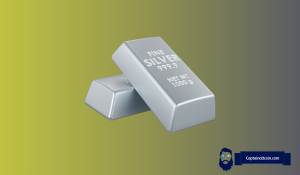
实物黄金具有保值功能,但由于难以在传统金融体系内高效利用,往往处于闲置状态。而代币化技术改变了这一局面:代币可以代表金库中的黄金,在数字市场之间自由流转。这意味着黄金既能保留对价格波动的敞口,又能获得从借贷到交易等多种新的应用场景。
代币化黄金的优势在于消除了传统壁垒,所有权转移无需实际搬运金条或跨机构操作。此外,代币始终处于流动状态,且可分割为更小单位,使中小投资者也能参与黄金投资。但需要注意的是,底层金属仍位于链下,因此访问权本质上仍是托管服务的一部分,依赖于金库服务提供商。
代币化黄金如何成为抵押品
Tokens such as Tether Gold (XAUT) and Paxos Standard Gold (PAXG) are claims on real gold held by the custodian. Taking the PAXG protocol as an example, each token represents 1 troy ounce of gold, ownership is transferred digitally, and physical gold is safely held. As a result, tokens can be traded on the blockchain market, while their corresponding assets are kept in vaults.
Gold tokens can be deposited into the DeFi protocol as collateral and "locked" through smart contracts, after which users can apply for loans. Because gold has a market value, agreements can use its value to stabilize or cryptocurrency loans. But adequate mortgage rates must be maintained because falling gold prices could cause borrowers to trigger liquidation clauses.
Reserve audits are crucial. If there is not enough physical gold to support the tokens in circulation, there is no real reserve guarantee. Some systems combine blockchain technology (such as Chainlink-based audit schemes) to verify the match between issued tokens and physical gold. However, such inspections rely on off-chain data, and reports may contain errors, which may affect the market's trust in the security of tokens.
Gold-backed DeFi Loan Operating Mechanism
Borrowers can deposit tokenized gold into the agreement to lend USDC or other backing assets without having to sell gold positions. This approach frees up liquidity while allowing borrowers to continue to enjoy economic exposure from fluctuations in gold prices. Therefore, tokenized gold can be used as productive collateral rather than sitting idle in vaults or accounts.
Some traders also use a circular strategy: lending stablecoins and investing more gold or other assets, which can in turn serve as collateral for additional borrowing, thereby amplifying the size of the initial investment. However, leverage amplifies both gains and losses, and lower-value collateral can lead to faster liquidation during periods of market stress.
Such risks were reflected in Aave's liquidation of a large number of XAUT, during a wave of gold selling. Although the agreement is operating normally, indicating that tokenized gold can still be used as collateral under extreme market pressures, the incident also shows that gold-backed collateral may depreciate significantly in a short period of time, triggering mandatory liquidation.
Why gold collateral attracts DeFi Ecosystem
Gold is a different risk type than highly volatile crypto assets and helps diversify collateral in the lending market. In addition, holders can gain liquidity without having to sell, and the agreement thus expands the use of real-world assets. This combination improves capital efficiency but does not eliminate borrowing, market or liquidation risks.
For tokenized gold, continuous transfers are possible, and holders can transfer collateral without physical settlement delays. In addition, borrowing can create interest opportunities that are usually not available simply by holding gold. Still, the source of any gains is not gold itself, but from financial activities and counterparty exposure.
Risks, adoption status and future outlook
The overall adoption rate is still low, with only a small number of gold tokens used for DeFi loans. According to RedStone data, as of July 2026, the total value of XAUT and PAXG pledged on Aave and Morpho was approximately US$63 million, accounting for only approximately 1.5% of the combined market value of US$4.2 billion, showing a significant adoption gap.
The actual control of assets by custodians and issuers and their ability to influence access rights are also key factors, highlighting the issue of centralization. Some token systems may freeze assets based on legal orders, and redemption may require holding a large number of tokens. Therefore, although tokenized gold is a flexible option, it is not as free as physical gold bars.
Compared with novelty, infrastructure, adoption rates and risk management are the core elements of gold's current role in DeFi. Tokenized gold can be used to fund loans, withstand liquidation shocks, and connect blockchain markets with traditional assets. But until sufficient reserves, liquidity, custody requirements and responsible leverage are in place, its wider application will still face challenges.