Exchange Ranking
 Top Exchanges
 24h Volume Ranking
 Popularity Ranking
 Exchange BTC Balance
 Proof of Reserves
 Decentralized Exchanges
 Funding Rate
 Funding Heatmap
 Liquidation Data
 Max Pain
 Long/Short Ratio
 Whale L/S Ratio
 Binance/Okex/Huobi L/S
 Bitfinex Margin L/S
 ETF Tracker
 Solana ETF
 XRP ETF
 Hong Kong ETF
 Bitcoin Treasuries
 Crypto Reversal
 Ethereum Reserves
 HyperLiquid Wallet Analysis
 Hyperliquid Whale Watch
 Large Transactions
 On-chain Movement
 Bitcoin ROI
 Stablecoin Market Cap
 Options Analysis
 News
 Articles
 Economic Calendar
 Features
 Wallet
 Contract Calculator


 Security
 Collections
 Watchlist
 Following
 BTC
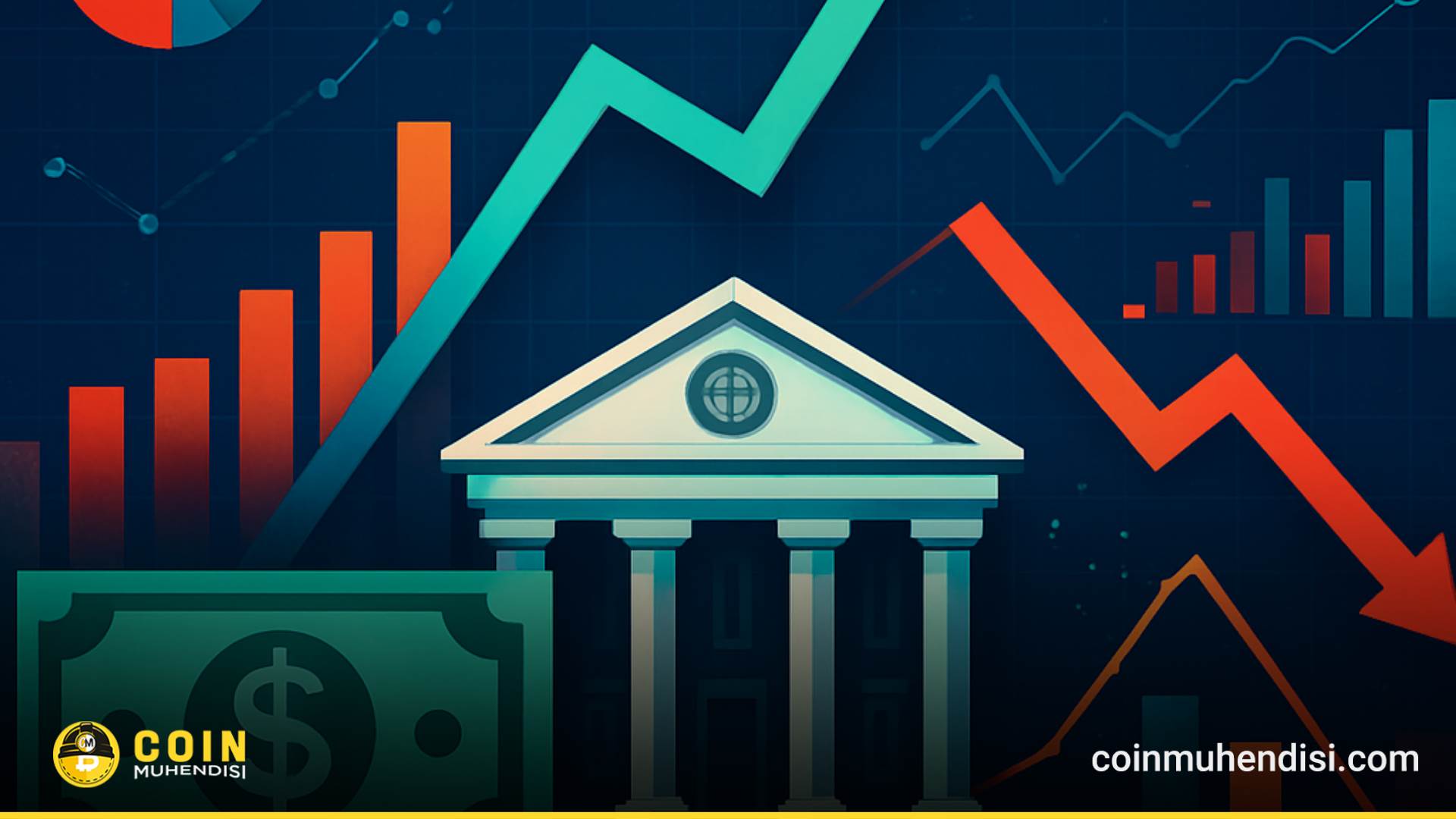
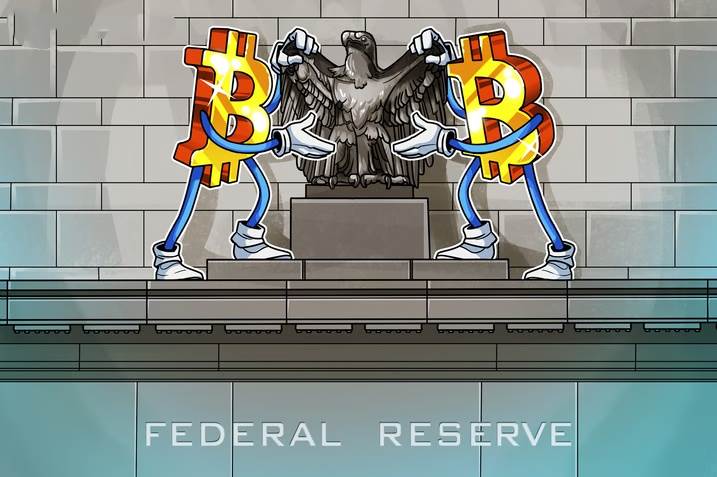
Currently, whether the Federal Reserve decides to compromise under political pressure and lower interest rates, or stick to its own strategy, inflation seems inevitable. The only difference lies in the speed of inflation. For Bitcoin, this means that its value could be affected—many people may see it as a “safe haven” against inflation, so it’s important to pay close attention to its volatility risks. In any case, the trends in the coming months are worth monitoring by every crypto enthusiast.
Key points:
● President Trump’s efforts to cut interest rates significantly could lead to soaring inflation, a weakening of the dollar, and instability in the long-term bond market.
● Even without interest rate cuts, trade policies and fiscal expansion could still drive up prices.
● In any case, Bitcoin could benefit—whether as an inflation hedge in an environment of rapid interest rate cuts, or as a value store that appreciates slowly when America’s macroeconomic credibility weakens.
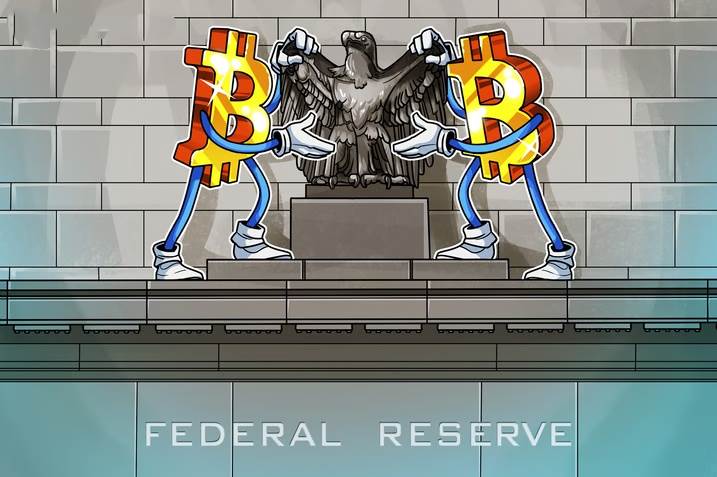
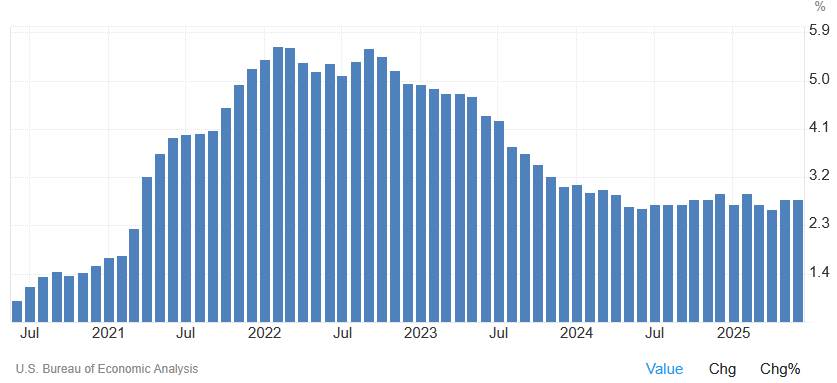
Although the U.S. economy appears to be growing steadily, underlying pressures are increasing. This tension has received significant attention at the Jackson Hole Symposium of the Federal Reserve. Since January, the dollar has fallen by more than 10%, while the core PCE price index remains at around 2.8%. In July, PPI rose by 0.9%, three times higher than expected.
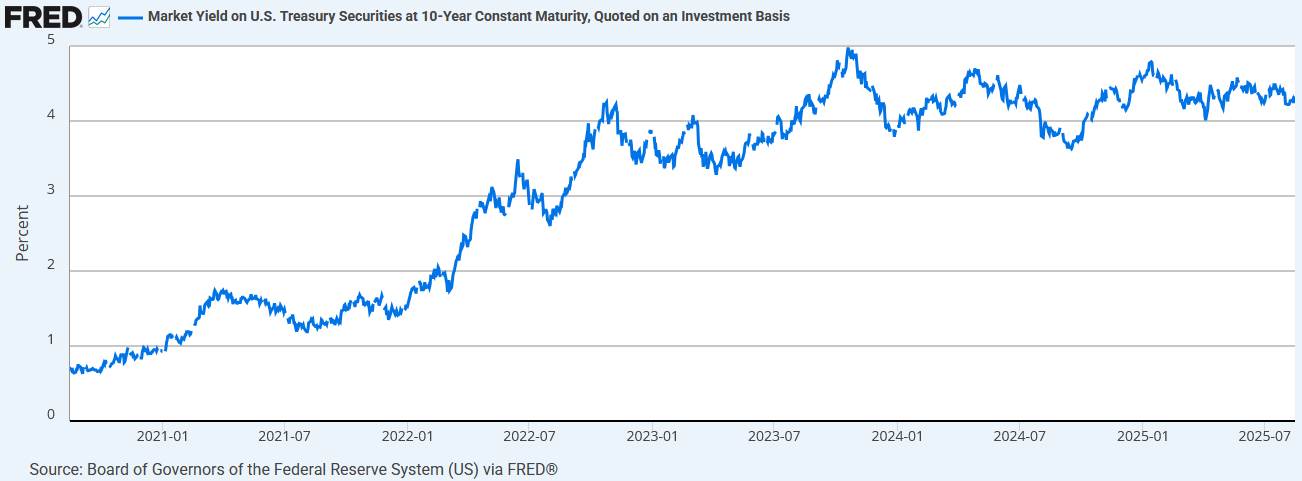
Against this backdrop, the yield on 10-year Treasury bonds remains at 4.33%. With a debt ceiling of $37 trillion, markets are becoming increasingly anxious. The issue of interest rates has become central to debates in the U.S. economy.
特朗普目前正在公开施压美联储主席鲍威尔,要求将利率下调多达300个基点,降至1.25%-1.5%。一旦美联储顺从,廉价资金将涌入市场,风险资产随之上涨,通胀也将加速。如果美联储坚持立场,关税上升和特朗普新通过的“大美法案”带来的财政冲击也可能推动通胀进一步上行。
区别只在于调整的速度和强度,以及这对比特币价格的影响。美国似乎已踏上通胀之路。
如果特朗普迫使美联储降息会怎样?
如果美联储最早于九月或十月开始屈服于政治压力,后果很可能迅速显现。
核心PCE价格指数有可能从当前2.8%升至2026年超过4%(作为参考,新冠疫情后的降息和刺激政策曾让核心PCE价格指数在2022年2月达到峰值5.3%)。新一轮通胀激增或将进一步拖累美元,美元指数(DXY)有可能跌破90。
货币宽松可能短期内将国债收益率拉低至约4%,但随着通胀预期上升和海外买家撤离,收益率有可能跃升至5.5%以上。《金融时报》指出,许多策略师警告,这种飙升可能终结牛市行情。
收益率上升将带来直接的财政影响。美国债务利息支出可能从当前约1.4万亿美元升至2026年高达2万亿美元——约占GDP的6%——引发债务服务危机,并进一步施压美元。
The greater risk lies in the politicization of the Federal Reserve. If Trump manages to remove Powell from his position and appoint a more compliant chairman, markets may lose confidence in the independence of the U.S. monetary policy. Rana Foroohar, a columnist for the Financial Times, pointed out that “numerous studies show that when presidents use unfounded threats to interfere with Powell’s work and undermine the rule of law, what actually increases are not interest rates, but rather the cost of loans, thereby hindering economic investment.” She used Turkey as an example, citing cases where changes in central bank executives led to market collapses and inflation rates soaring to 35%. If the Federal Reserve continues to maintain stable interest rates, it seems like a safer approach, and this could help preserve the institution’s credibility. However, this does not guarantee that the economy will be unaffected by inflation. In reality, two factors are driving up prices: tariffs and the “Great American Deal.” Key economic indicators have already shown the impact of tariffs. The S&P Global US Composite PMI rose to 54.6 in July, the highest level since December last year. The cost of services has increased from 59.7 to 61.4. According to a survey by S&P Global, nearly two-thirds of manufacturers attributed their increased costs to tariffs. Chris Williamson, chief business economist at S&P Global, said, “The sharp increase in the prices of goods and services in July is one of the largest increases in three years. This indicates that consumer price inflation will continue to exceed the Federal Reserve’s target of 2 percent.”The impact of the “Great Beauty Act” has not yet been fully realized, but there are increasing warnings regarding its potential to lead to increased spending and significant tax cuts. At the beginning of July, the IMF stated that the act would be “unfavorable for reducing federal debt over the medium term.” The measures to increase the deficit could undermine the stability of public finances.
In this context, even if interest rates do not decrease in the near future, the core PCE price index may still rise slowly, reaching 3.0%-3.2%. The yield on 10-year government bonds is expected to rise more gradually, reaching 4.7% by next summer. Debt interest payments will increase to approximately $1.6 trillion, accounting for 4.5% of GDP. This figure is high, but it is not yet out of control. The DXY currency might further decline, with Morgan Stanley predicting that it could drop to 91 by mid-2026.
Even under these relatively moderate circumstances, the Federal Reserve still faces challenges. Trade disputes are dividing policymakers. For example, Chris Waller, a potential new chairman of the Fed, supports lowering interest rates. Thierry Wizman, a strategist at Macquarie, recently warned that internal disagreements within the FOMC could turn into political factions, thereby weakening the Fed’s ability to combat inflation. This could lead to a steeper yield curve.
The macroeconomic environment has an impact on Bitcoin.
In the first scenario, where interest rates are cut sharply, inflation is high, and the dollar depreciates, Bitcoin is likely to rise rapidly, along with stocks and gold. When real interest rates are negative and the independence of the Fed is questioned, cryptocurrencies could become the preferred form of value storage.
In the second scenario,The market development will be slower. It is possible that Bitcoin may remain in a sideways trend until the end of 2025, until inflation expectations align with reality next year. However, as the US dollar continues to weaken and deficits accumulate, non-sovereign assets are becoming more popular. The value proposition of Bitcoin will be utilized to hedge systemic risks, rather than for technical speculation.
Expectations of interest rate cuts continue to rise. Whether the Federal Reserve follows suit this fall or not, inflation is an inevitable outcome for the United States. Trump’s aggressive fiscal stimulus and trade policies have ensured that price increases are already embedded in the system. Whether the Federal Reserve will cut interest rates soon or not, the future of the US dollar and long-term debt looks uncertain. Bitcoin isn’t just an observer—it might actually be one of the most suitable assets for the current macroeconomic environment.