Exchange Ranking
 Top Exchanges
 24h Volume Ranking
 Popularity Ranking
 Exchange BTC Balance
 Proof of Reserves
 Decentralized Exchanges
 Funding Rate
 Funding Heatmap
 Liquidation Data
 Max Pain
 Long/Short Ratio
 Whale L/S Ratio
 Binance/Okex/Huobi L/S
 Bitfinex Margin L/S
 ETF Tracker
 Solana ETF
 XRP ETF
 Hong Kong ETF
 Bitcoin Treasuries
 Crypto Reversal
 Ethereum Reserves
 HyperLiquid Wallet Analysis
 Hyperliquid Whale Watch
 Large Transactions
 On-chain Movement
 Bitcoin ROI
 Stablecoin Market Cap
 Options Analysis
 News
 Articles
 Economic Calendar
 Features
 Wallet
 Contract Calculator


 Security
 Collections
 Watchlist
 Following
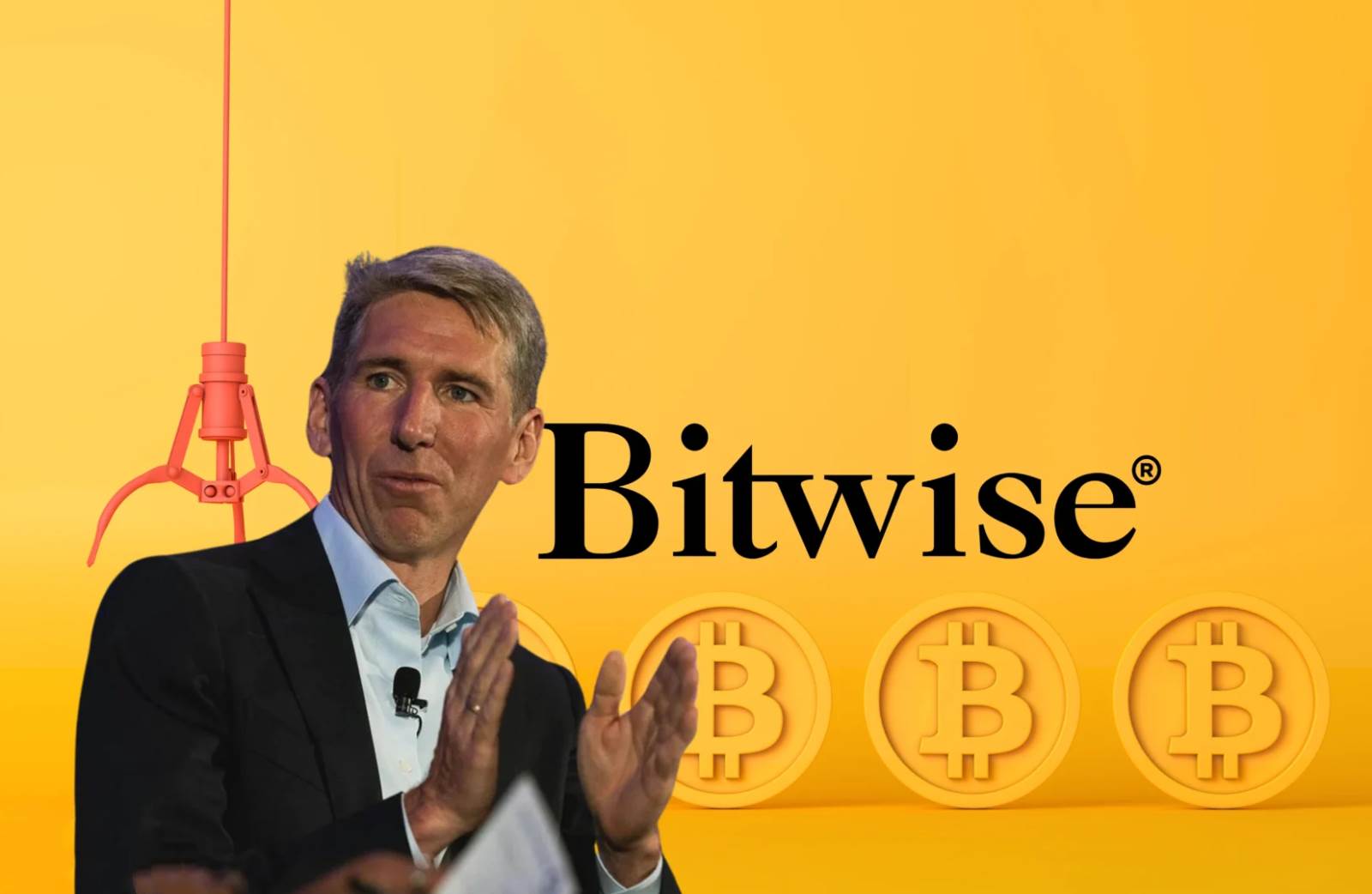
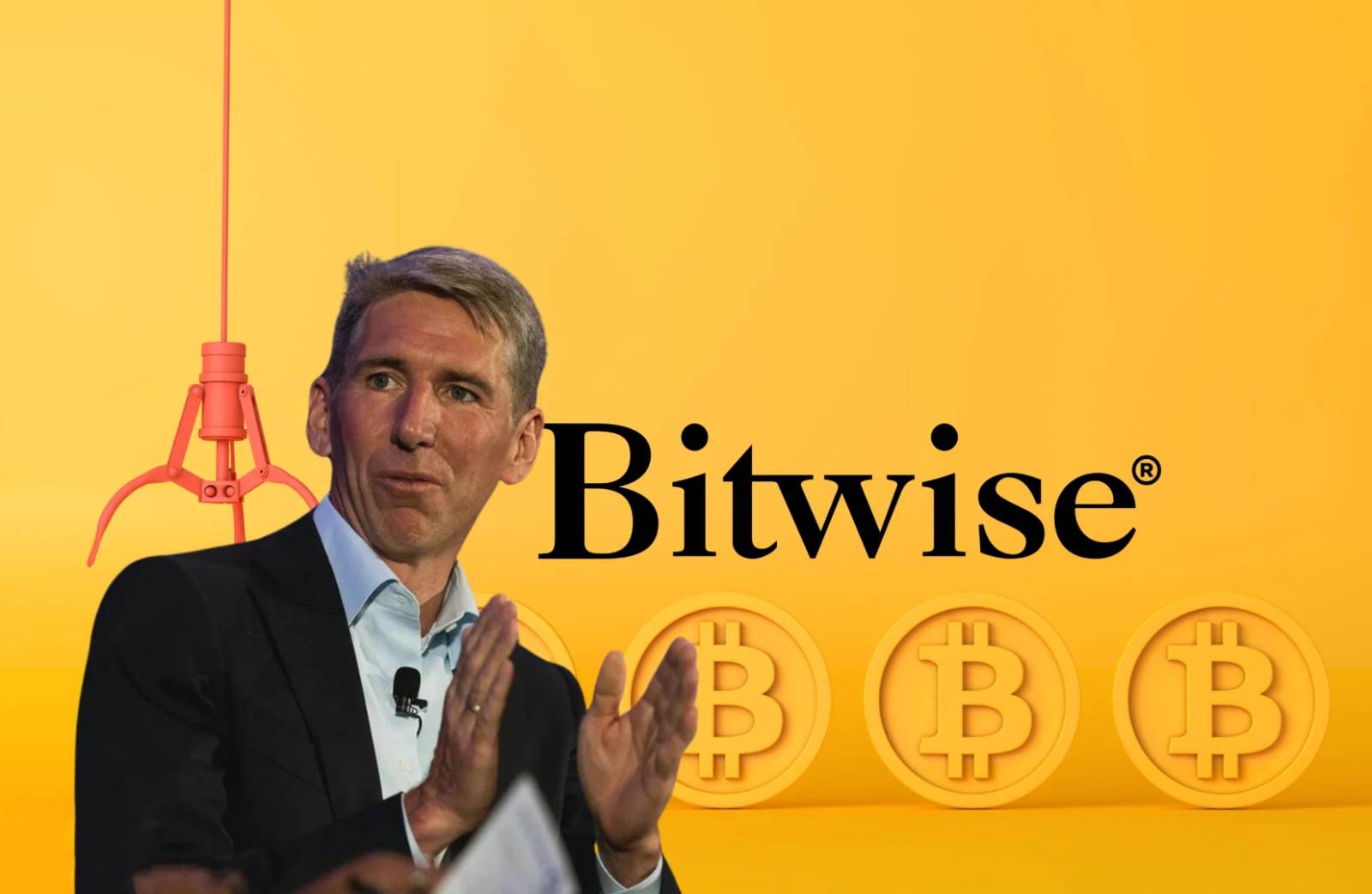
The market crash on October 11th was quite terrifying for many people. However, Bitwise’s chief investment officer remained extremely calm during the interview. He pointed out that although this collapse was intense, it did not shake the foundation of the crypto market. Instead, it revealed three issues that deserve attention: excessive short-term leverage, overheated market sentiment, and fragile liquidity structures. From a macro perspective, Bitcoin’s fundamentals remain strong, and institutional funds continue to flow into the market. The bull market trend has not changed. In other words, this decline was more like a “healthy break from work” – a time to build up momentum for the next upward move, rather than the end of the bull market.
As a long-term cryptocurrency investor, I sometimes feel frustrated.
When I invest in cryptocurrencies, I am essentially making long-term bets on the future of money and finance. I believe that stable digital currencies like Bitcoin will provide an important solution to the continuous depreciation of the US dollar and other fiat currencies. Stablecoins will completely transform how we pay bills, and tokenization will forever change the way we trade stocks and bonds.
I make these investments with the hope that they will generate returns within a few years or even decades. So far, things have gone quite well. Bitcoin has increased in value by more than 350 times over the past 10 years, and it has always been one of the best-performing assets globally during each cycle.
But not all cryptocurrency investors behave like this. Some invest with high leverage—up to 100 times—in the hope of becoming rich quickly. These investments sometimes succeed, sometimes fail.
Most of the time, I can safely ignore the “casino” nature of cryptocurrencies, as they are merely noise—they don’t really change the course of cryptocurrency development. But occasionally, they become too disruptive to be ignored. Last weekend was such a case. At 4:57 p.m. on Friday, Eastern Time, President Trump posted a tweet on Truth Social, threatening to impose 100% tariffs on all Chinese imports. This move was in response to China’s threat to cut off the export of rare metals, which are crucial for the US tech industry. This tweet sounded like another major escalation in the global trade war. During the stock market suspension, traders rushed to find solutions, and they turned to the crypto market, which has never stopped operating. The price of Bitcoin dropped significantly. As prices fell, leveraged traders faced automatic liquidations, leading to further price declines and a vicious cycle. Nearly $20 billion in leveraged positions were liquidated, the largest such operation in crypto history. The trading price of Bitcoin dropped by 15%. Altcoins performed even worse; Solana dropped by 40%. But then, the market reversed quickly, falling as fast as it had risen. The Trump administration eased the trade tensions, and crypto prices recovered. By Monday morning, the trading price of Bitcoin had risen to $115,000, almost back to the level before Trump’s tweet. It seems like the Flash Crash never actually happened. Since then, I’ve been wondering: Is the collapse of 1011 really that important?
My answer this time is “Not important.” The rapid rebound of cryptocurrencies can be attributed to the fundamental factors that drive their value—such as the underlying technology, security measures, or regulatory environment. But “not important” isn’t necessarily the correct answer. In some cases, events like those that occurred last Friday could indeed have an impact on the long-term trajectory of cryptocurrencies.
In this week’s memo, I would like to introduce the list of factors I’ve considered in order to determine whether such market fluctuations are temporary or significant.
Question 1: Did any major market participants experience collapses?
Whenever there are significant corrections in the market, Bitwise’s first step is to conduct inspections with its partners and service providers, from hosting providers to liquidity providers. Even if the market corrections are driven by technical factors, they can still cause real damage if they affect large institutions like hedge funds or well-known market makers. In this case, it seems that the damage was limited to individual investors. Some companies suffered losses, but it appears they were able to recover. This is one of the reasons why cryptocurrencies have recovered so quickly.
Question 2: How is blockchain technology performing?
My second question is always about cryptocurrencies themselves—that is, blockchain technology. These market fluctuations serve as a test for the cryptocurrency market. Can it handle such high levels of trading volume? Are decentralized exchanges functioning properly? Have any websites been shut down?
Cryptocurrencies performed fairly well during this correction, although not perfectly. Many DeFi platforms functioned smoothly: platforms like Uniswap, Hyperliquid, and Aave did not experience any losses. However, a few centralized platforms like Binance faced problems. In fact, they had to return nearly $400 million to traders. Overall, the performance of cryptocurrencies was comparable to, or even better than, that of traditional markets in similar situations.
Question 3: What does my inbox look like?
My third question is what my inbox looks like. If I were bombarded with emails, phone calls, and text messages from investors, I would know that the market is indeed in a state of panic, and it might take some time for things to calm down.
But this time, there was nothing happening at all. Although I received many questions from the media and a large number of replies to my tweets, professional investors largely ignored these messages.
What’s next?
All these facts indicate that the 1011 crash won’t have any lasting effects. The long-term forces driving this market—better regulation, increased investment from institutional investors, and growing awareness that cryptocurrencies are disrupting all traditional markets—are still intact. It’s also helpful to look at the bigger picture: in 2025, Bitcoin could increase by 21%, and the Bitwise 10 broader cryptocurrency index could increase by 22%.
加密市场短期内可能略显紧张。做市商和流动性提供者通常会在市场出现大幅波动后几天内撤离市场,而流动性的缺乏可能会导致价格出现大幅上涨或下跌。
但我预计,随着时间的推移,市场会慢慢恢复活力,重新关注加密货币的基本面。届时,我认为牛市将会持续下去。