Exchange Ranking
 Top Exchanges
 24h Volume Ranking
 Popularity Ranking
 Exchange BTC Balance
 Proof of Reserves
 Decentralized Exchanges
 Funding Rate
 Funding Heatmap
 Liquidation Data
 Max Pain
 Long/Short Ratio
 Whale L/S Ratio
 Binance/Okex/Huobi L/S
 Bitfinex Margin L/S
 ETF Tracker
 Solana ETF
 XRP ETF
 Hong Kong ETF
 Bitcoin Treasuries
 Crypto Reversal
 Ethereum Reserves
 HyperLiquid Wallet Analysis
 Hyperliquid Whale Watch
 Large Transactions
 On-chain Movement
 Bitcoin ROI
 Stablecoin Market Cap
 Options Analysis
 News
 Articles
 Economic Calendar
 Features
 Wallet
 Contract Calculator


 Security
 Collections
 Watchlist
 Following
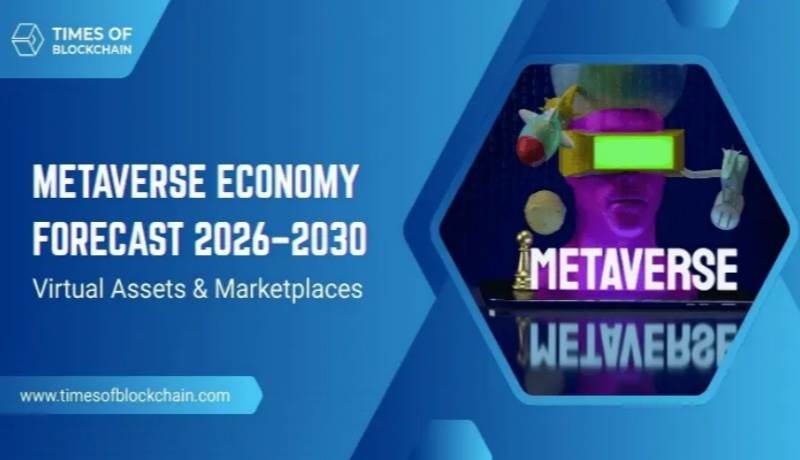
The metaverse has undergone tremendous changes in recent years. It has evolved from a barely known concept into a reality in the commercial sphere, forming a vast digital experience and economic interaction system. The period from 2020 to 2025 is crucial, as significant progress has been made in terms of technological advancements, improved infrastructure, and early application trials. Industry analysts believe that the year 2026 to 2030 will mark a transformative era for the metaverse. Market predictions suggest that the metaverse will shift from a stage of potential to one of practical applications.
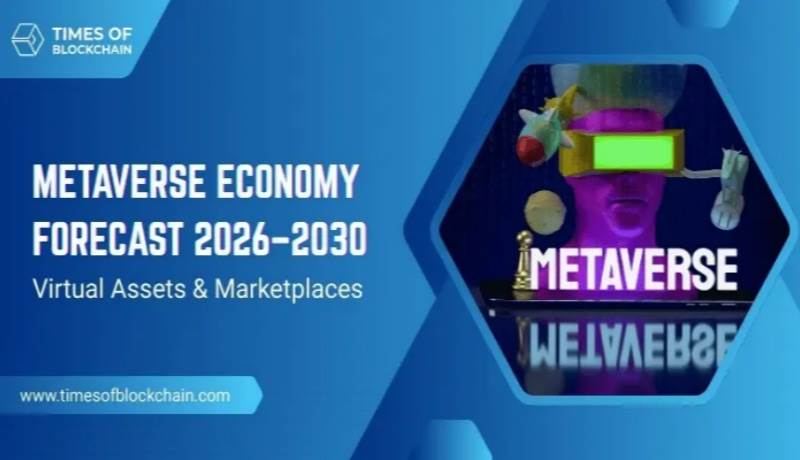
The metaverse economy in 2026: Where we are now
Currently, different industries have varying levels of maturity in implementing metaverse technologies. The gaming industry remains the most mature, generating revenue through in-game transactions and visual items. This technology is also being used in training, collaboration, and product development. Pilot projects by major brands have demonstrated consumers’ interest in virtual shopping experiences. Social networks are also working to make interactions via virtual avatars more engaging.
According to market estimates, the value of the metaverse industry was between $82 billion and $95 billion in 2023. With continued growth, it is expected to reach approximately $1.3 trillion by 2032. Factors driving this growth include next-generation immersive hardware, advanced digital identity management, and increasingly mature Web3 infrastructure, all of which contribute to decentralized economic operations. These foundational elements will drive unprecedented growth for the metaverse industry in 2030 and beyond.
Growth forecasts for 2026-2030: Market size and economic impact
到2032年,元宇宙市场预测将呈现前所未有的增长,具体增长速度取决于其普及速度和监管环境。最保守的估计认为,2025年至2030年虚拟资产的复合年增长率将达到46.4%。
多种因素正在加速这一增长轨迹。
● 虚拟商务和VR购物体验正在改变零售业的运作方式,让顾客有机会以更具互动性的方式体验品牌,突破传统电子商务的局限性。
● 数字房地产仍然是一个热门话题,因为公司、创作者和投资者正在购买虚拟土地用于开发、活动和投机等不同目的。
● 互操作化身和持久数字身份的广泛使用意味着用户可以出现在不同的虚拟世界中,并且可以轻松地从一个虚拟世界切换到另一个虚拟世界,这反过来又会促进更高的互动和经济活动。
● 采用代币化资产可以提供一种易于转让的所有权证明,而领先的科技公司建立的企业元宇宙生态系统正在构建企业级基础设施,从而吸引机构参与者。
元宇宙代表着一种范式转变,它催生了全新的产品、服务和经济活动类别。这并非渐进式增长,而是人类创造、交换数字体验并从中获取价值的方式的彻底变革。
虚拟资产:新型数字资产类别
预计将占据主导地位的虚拟资产类型
到2030年,虚拟资产的增长将主要归功于不同资产类别日趋成熟,最终成为稳固的投资和实用型资产。虚拟房地产仍然是该行业的支柱,在最热门的元宇宙平台上,那些估值最高的区域往往是最佳地段。虚拟化身和数字可穿戴设备是展现个人个性和地位的途径,其中高端时尚单品最为引人注目。代币化资产和收藏品的价值创造主要依赖于稀缺性和溯源追踪。
人工智能生成的资产能够创造出根据用户偏好而变化的全新个性化内容。数字货币和支付代币使得虚拟经济内部及虚拟经济之间的交易更加便捷顺畅。知识产权NFT通过可验证的所有权和自动版税系统赋予创作者权力,而这些正是推动创作者经济结构重组的关键力量。每种资产类型都有其独特的用途,同时它们也共同构成了完整的数字经济生态系统。
估值趋势与价格驱动因素
对于所有市场参与者而言,了解决定虚拟资产增长估值的因素至关重要。自然产生或人为制造的稀缺性模型通过限制供应来驱动最基本的价值。当数字商品通过合作与知名现实世界品牌联系起来时,虚拟资产会变得更受欢迎,品牌的声誉和声望也会转移到数字领域。
The creator economy influences pricing through factors such as community participation, artistic reputation, and the creation of collaborative value. As the market grows, valuation methods will become more sophisticated, taking into account all these factors to improve price discovery efficiency and reduce speculative price fluctuations.
Regulations and compliance frameworks will evolve significantly between 2026 and 2030. Governments around the world will develop regulations for this new class of asset. Expected developments include:
● Establishing a comprehensive global regulatory framework to address issues related to taxation, consumer protection, and financial stability in the virtual economy.
● Intellectual property rights in the virtual world will be clearly defined, setting a precedent for the ownership of digital creations and their derivative works.
● Tax policies will cover economic activities in the virtual world, likely based on existing digital service taxes.
● Laws governing cross-border asset transfers are needed to resolve jurisdictional issues when virtual assets are transferred from one country to another.
User protection and fraud prevention measures will be stricter, which not only creates a safer digital market but also reduces the likelihood of scams.
Virtual markets: The commercial centers of the metaverse
How will the market evolve by 2030?
传统中心化和去中心化数字市场之争最终将倾向于一种融合两者优势的混合模式:既保留了中心化的用户体验,又实现了去中心化的资产托管和交易结算。跨不同虚拟世界的互操作性商业将成为常态,用户可以在一个平台上获取资产,并在所有兼容的环境中使用这些资产。人工智能购物助手将通过提供个性化推荐、虚拟试穿和跨平台自动比价,彻底改变人们寻找和购买商品的方式。
B2C、C2C和企业市场
在线市场将细分为多个垂直领域,每个领域都针对特定的需求。创作者市场将最为成功,因为它们将为独立艺术家、设计师和开发者提供直接面向消费者的盈利途径,从而收回过去由传统中介机构攫取的价值。随着零售商、时装公司和快速消费品公司投资于元宇宙的永久存在,数字品牌商店将会增加,它们不仅销售数字产品,还将销售半实体半数字的混合产品。专业级的在线空间将为不同商业场景下的培训、协作和可视化工具而建立,使那些希望购买虚拟办公解决方案、开展培训等的公司能够满足自身需求。
塑造下一个时代的盈利模式
Web3 commerce has created entirely new revenue models that are not limited by existing retail paradigms. The subscription model allows users to access virtual reality, high-quality content, and exclusive experiences on a continuous basis, ensuring both platforms and creators receive stable sources of income. Paying for products or renting them allows consumers to test out expensive virtual items before making a purchase. The royalty-based system for creators means that each time their work is resold, the original creators receive a portion of the profits. This model aims to balance the interests of creators and reward their long-term contributions to innovation. A variety of revenue strategies make the virtual economy both complex and sustainable.
The impact of the metaverse on global industries
Retail and e-commerce
Virtual stores could become a valuable complement to traditional two-dimensional e-commerce experiences. In some categories, they might even replace physical stores altogether. Consumers will be able to immerse themselves in three-dimensional virtual spaces, experience the charm of brands firsthand, view product appearances, and even interact with virtual sales staff for personalized assistance. Businesses that adapt to this new trend report seeing increased customer traffic, longer browsing times, and higher sales compared to traditional online stores. By 2030, immersive shopping experiences will no longer be a luxury but a necessary element for high-end brands to attract tech-savvy consumers in the digital age.
Games and entertainment
With advancements in technologies such as real-time asset ownership verification and cross-platform transfers, the boundaries between games and the real-world economy are becoming increasingly blurred. Players can earn real money within the sustainable virtual worlds they create—this is the trend of the immersive economy today. The entire industry of live concerts, events, and fan interactions is now worth billions of dollars. Artists can sell tickets, digital merchandise, and exclusive experiences, while also reaching audiences around the world instantly.
Real estate and construction has evolved from mere speculation to a serious business activity. Virtual real estate developers plan theme areas, establish commercial districts, and build residential communities. Virtual construction companies design buildings that cannot be built in the real world, thereby expanding their creativity and providing solutions for various practical uses such as events, retail, and social gatherings. By 2030, digital real estate will become an important category of assets, with standardized valuation methods, professional development standards, and investment tools being established. Finance and banking
The metaverse will integrate banking services, and the virtual world will become a domain for financial institutions. Loans, wealth management, and payment services will be provided according to the needs of the digital economy. Loans issued in the form of tokens, as well as financing methods based on virtual assets, will emerge as necessary tools. This will enhance market liquidity and allow for the implementation of complex financial strategies within the metaverse. The collaboration between traditional banks and Web3 protocols will be the key driver behind the development of this financial sector. By using technological means, compliance issues can be addressed, and retail and institutional customers engaged in virtual financial activities can benefit from these innovations.
Education and labor markets: Virtual training simulations offer an immersive learning experience that is far superior to traditional classroom teaching or video-based instruction, especially when it comes to the development of technical skills, safety training, and soft skills. Working remotely in an immersive environment can effectively overcome the challenges of isolation and communication that often plague remote work, allowing employees to collaborate just like they would in face-to-face meetings. Technological factors that will drive the development of the metaverse from 2026 to 2030: By 2030, the metaverse market is expected to be driven by five major technologies. When combined, these technologies can achieve capabilities that cannot be achieved individually. However, when used together, they can have a transformative effect.
● The synergy between artificial intelligence and the metaverse enables the creation of dynamic content and realistic non-player characters. It also allows for personalized experiences and automatically develops the world around us, thereby significantly reducing costs while improving quality.
● Improvements in XR hardware, such as lighter head-mounted devices, higher-resolution displays, better visibility, and more user-friendly interfaces, will make it easier for people to embrace this technology and prolong the time spent comfortably using these devices.
● Blockchain solutions that address issues related to transaction speed and costs will be able to handle most of the commercial transactions that were previously unable to be processed using earlier versions of the infrastructure.
● 5G and the upcoming 6G communications technologies feature low latency and high bandwidth, providing the necessary infrastructure for large-scale multi-user experiences. This enables real-time synchronization among users around the world, without any delays.
● Spatial computing and digital twin technologies are tools that allow the physical world to intersect with the virtual world, thereby enabling the integration of real-world data, objects, and processes into immersive environments.
** Risks, Challenges, and Market Limitations**
Even if predictions are optimistic, there are still many significant obstacles to realizing this immersive economic trend:
● The main challenges posed by regulatory uncertainties remain unchanged. Inconsistent global regulations could lead to market fragmentation, increased compliance costs, and restrictions on institutional participation.
● As the economic value of the digital space increases, security threats such as identity theft, asset fraud, virtual property crimes, and complex scams will become more serious. To protect users and maintain market integrity, security infrastructure must be upgraded quickly.
● The issue of hardware accessibility remains unresolved. Due to limitations related to funding, comfort, and accessibility, widespread adoption may take a long time.
● Interoperability issues could lead to the division of the metaverse into isolated segments, making asset transfer difficult. The pursuit of technical perfection and the lack of sufficient commercial incentives are reasons why interoperability remains difficult to achieve so far.
Opportunities for businesses, investors, and builders
Since the need to create comprehensive ecosystems is essential, the metaverse offers tremendous opportunities. Web3 commerce remains a fertile ground for strategic players.
● Early investment opportunities in areas such as virtual real estate, platform tokens, creator economy infrastructure, and enterprise solutions have already emerged. Those who take strategic positions or develop necessary tools will reap significant rewards as the market grows.
● Virtual business models provide brands with flexibility, allowing them to experiment with various customer interaction strategies, launch exclusive digital products, and engage in both online and offline sales. This not only enhances brand value but also creates new sources of revenue beyond physical goods.
● The expansion of the creator economy is a典型案例,where artists, designers, musicians, and content creators can directly monetize their work, establish sustainable businesses, and regain value that was previously taken by intermediaries. There are enormous opportunities in areas related to tools, platforms, and services for creators.
● 企业用例货币化涵盖培训系统、协作工具、可视化平台和生产力解决方案,迎合那些希望走在技术前沿并因此愿意采用沉浸式技术的公司。
到2030年,元宇宙经济将是什么样子?
2030年元宇宙市场预测告诉我们的是经济体系的变革,而非新体系的取代。虚拟经济与实体经济的共存与融合将为那些能够驾驭这两个领域的企业、创作者和消费者创造全新的机遇。沉浸式经济的发展趋势清晰地展现了增长、创新以及商业、工作和社会关系转型的方向,而我们对这些趋势的理解才刚刚起步。