Exchange Ranking
 Top Exchanges
 24h Volume Ranking
 Popularity Ranking
 Exchange BTC Balance
 Proof of Reserves
 Decentralized Exchanges
 Funding Rate
 Funding Heatmap
 Liquidation Data
 Max Pain
 Long/Short Ratio
 Whale L/S Ratio
 Binance/Okex/Huobi L/S
 Bitfinex Margin L/S
 ETF Tracker
 Solana ETF
 XRP ETF
 Hong Kong ETF
 Bitcoin Treasuries
 Crypto Reversal
 Ethereum Reserves
 HyperLiquid Wallet Analysis
 Hyperliquid Whale Watch
 Large Transactions
 On-chain Movement
 Bitcoin ROI
 Stablecoin Market Cap
 Options Analysis
 News
 Articles
 Economic Calendar
 Features
 Wallet
 Contract Calculator


 Security
 Collections
 Watchlist
 Following
U.S. Treasury Secretary Bessent targets approximately US$1 billion in Iranian-linked cryptocurrency assets
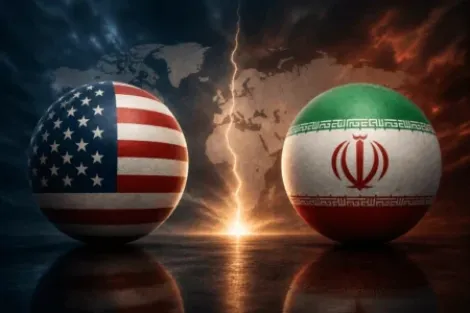
U.S. Treasury Secretary Scott Bessent has targeted approximately US$1 billion in Iranian-linked assets deposited in cryptocurrencies. He told reporters that the U.S. government already knows where the assets are stored and may take action within a week.
Although funds are frozen, they cannot be transferred or redeemed as long as they remain at addresses controlled by Iran.
Basent did not provide details about the wallet address, legal procedures or proof that action had been initiated. However, Besent has repeatedly met the deadlines set by him for sanctions against Iran and has a past record.
Operation Economic Isolation and the Latest Threats
Operation Economic Outcast came into effect on August 24. Earlier on August 13, Besent told the media: "Focus on this area because there will be more announcements next week and we will implement unprecedented economic isolation measures."
The U.S. Treasury Department's Financial Crimes Enforcement Network (FinCEN) has also proposed a draft rule aimed at revoking the correspondent bank access of Egyptian banks to U.S. financial institutions from United Arab Emirates branches.
Scale comparison: twice the amount frozen by Tether throughout the year
Besent described the "absolute isolation operation" against Tehran, saying "$1 billion worth of cryptocurrency could be seized this week." This figure is almost twice the total amount of Iranian-related crypto assets (approximately US$550 million USDT) that stablecoin issuer Tether helped the United States freeze this year.
The US$550 million USDT freeze occurred in multiple phases, including:
- April: More than US$344 million was frozen at two addresses;
- July: More than $130 million in four TRON wallets were frozen.
Blockchain analytics firm Elliptic linked the US$507 million USDT directly to the Central Bank of Iran, pointing out that the bank is using the funds to support the collapsing rial exchange rate.
A review led by Richard Blumenthal, chairman of the Senate Permanent Subcommittee on Investigation, found that of the 846 Iran-related wallets it examined, 84% of transactions used USDT almost entirely.
Besent and the United States to increase pressure
Besent's threat is based on "Operation Economic Isolation," which began on August 24. According to a sanctions analysis by law firm Pillsbury Winthrop Shaw Pittman, the action lists digital assets as one of Iran's five economic sectors subject to sanctions, with others including technology, gold, aviation and shipping. In addition, nearly 60 entities, individuals and ships were added to the list.
On Thursday, the Treasury Department said the operation had taken action against remnants of Iran's shadow tanker fleet.
Federal prosecutors also filed a civil forfeiture lawsuit in September, seeking to seize approximately $61 million in cryptocurrency linked to Iranian oil sales.