Exchange Ranking
 Top Exchanges
 24h Volume Ranking
 Popularity Ranking
 Exchange BTC Balance
 Proof of Reserves
 Decentralized Exchanges
 Funding Rate
 Funding Heatmap
 Liquidation Data
 Max Pain
 Long/Short Ratio
 Whale L/S Ratio
 Binance/Okex/Huobi L/S
 Bitfinex Margin L/S
 ETF Tracker
 Solana ETF
 XRP ETF
 Hong Kong ETF
 Bitcoin Treasuries
 Crypto Reversal
 Ethereum Reserves
 HyperLiquid Wallet Analysis
 Hyperliquid Whale Watch
 Large Transactions
 On-chain Movement
 Bitcoin ROI
 Stablecoin Market Cap
 Options Analysis
 News
News Articles
 Economic Calendar
 Features
 Wallet
 Contract Calculator


 Security
 Collections
 Watchlist
 Following
 ETH
ETH  SOL
SOL  TRX
TRX Highlights
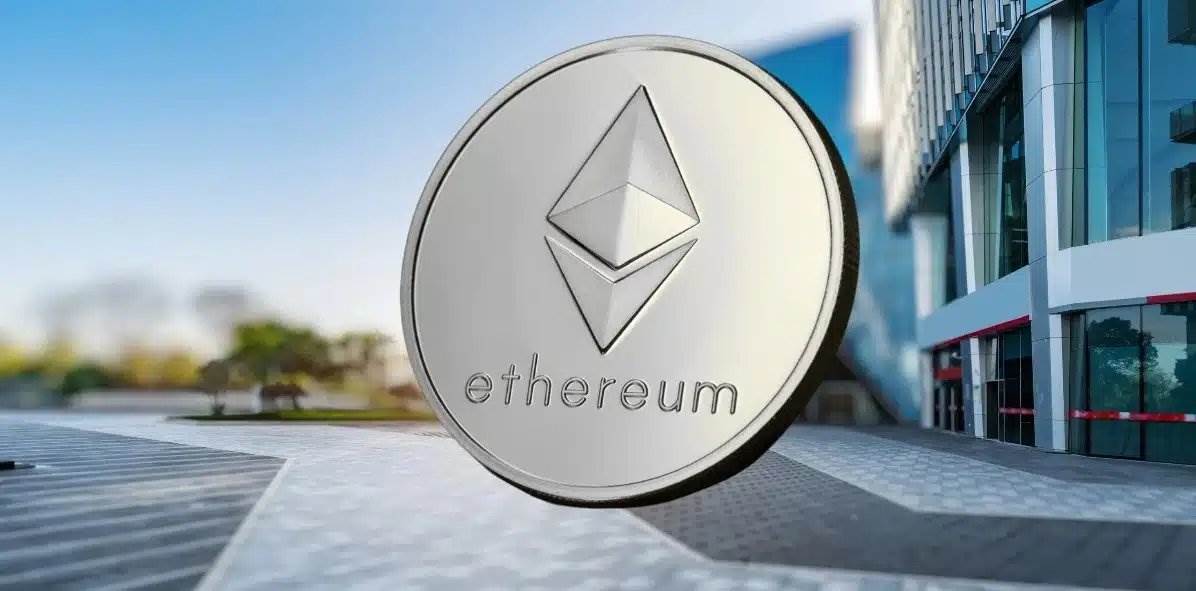
Ethereum's stablecoin market value has reached US$162.3 billion, accounting for 54.5% of the global stablecoin market with 46 blockchains totaling US$297.8 billion.
Tron ranked second with US$93.2 billion, while Ethereum's liquidity supports trading, lending, payments, settlements and broader institutional financial activities.
Solana holds US$14.6 billion in stablecoins, while Ethereum defends global market leadership with its mature infrastructure and second-layer network.
The market value of Ethereum's stablecoin increased by approximately US$400 million in 24 hours, consolidating its leading position in the global stablecoin market
According to Token Terminal data, Ethereum currently holds US$162.3 billion in stablecoin, accounting for 54.5% of the total market value of the global stablecoin.
Currently, the total market value of stablecoins on 46 blockchain networks is approximately US$297.8 billion. This means that Ethereum carries more than half of the dollar-linked assets in the cryptocurrency economy.
Its large market share reflects strong demand from traders, decentralized financial users, payment platforms and institutional participants. In addition, Ethereum maintains a significant advantage over second-ranked Tron, which holds approximately US$93.2 billion in stablecoins.
Wave fields account for 31.3% of the global stablecoin market, and Ethereum's lead exceeds US$69 billion. This gap highlights how Ethereum has built deep liquidity in exchanges, lending agreements and other decentralized financial applications.
stablecoins allow users to gain value pegged to the U.S. dollar during periods of price fluctuations without leaving the blockchain market. In addition, traders use these assets for settlement, collateral, payments, liquidity provision, and transfers between cryptocurrency platforms.
Ethereum's expanding financial ecosystem consolidates its stablecoin leadership
Ethereum supports a large number of applications that rely on stablecoins for daily transactions and financial services. These applications include decentralized exchanges, lending markets, payment systems, tokenized asset platforms, and institutional clearing products.
Therefore, growth in stablecoin balances can improve liquidity while supporting smoother transactions in the Ethereum connected financial ecosystem. The $400 million increase also coincides with increased activity in Ethereum's spot and decentralized financial markets.
However, the market value of stablecoins provides a different measure of adoption because it does not rely entirely on price fluctuations of ETH. Instead, the indicator tracks dollar-linked assets that can be used for transfers, transactions, payments, loans, and other blockchain financial activities.
It is worth noting that Ethereum's mature infrastructure connects developers, exchanges, custodians, wallets and financial institutions through a widely supported network. This connectivity allows users to transfer stablecoins across multiple services without relying on a single application or trading platform.
At the same time, Solana ranks third with a stablecoin market cap of approximately $14.6 billion, reflecting adoption in its growing app ecosystem. Despite this, Solana's stablecoin balance is still much smaller than the amount held by Ethereum and Bochang.
Ethereum currently holds more than eleven times as much stablecoins as Solana, demonstrating the huge gap between the two networks. In addition to liquidity, Ethereum also benefits from extensive developer activity and compatibility with numerous wallets, exchanges and decentralized applications.
Institutional users may also prefer mature networks that provide reliable infrastructure, extensive integration, and significant market liquidity. Still, rival blockchains can attract stablecoin users with lower fees, faster transaction processing, and targeted financial applications.
Ethereum's second-layer network can address these pressures by reducing transaction costs while retaining access to its underlying settlement system. The growth in stablecoin adoption has also strengthened Ethereum's position as a digital payment infrastructure, rather than just a blockchain focused on investment functions.
Its growing supply suggests that users are increasingly relying on Ethereum to transfer and manage dollar-pegged assets between cryptocurrency markets. Ethereum's 54.5% market share finally confirmed its core position in stablecoin settlement, thanks to its liquidity, practicality and extensive financial infrastructure.