Exchange Ranking
 Top Exchanges
 24h Volume Ranking
 Popularity Ranking
 Exchange BTC Balance
 Proof of Reserves
 Decentralized Exchanges
 Funding Rate
 Funding Heatmap
 Liquidation Data
 Max Pain
 Long/Short Ratio
 Whale L/S Ratio
 Binance/Okex/Huobi L/S
 Bitfinex Margin L/S
 ETF Tracker
 Solana ETF
 XRP ETF
 Hong Kong ETF
 Bitcoin Treasuries
 Crypto Reversal
 Ethereum Reserves
 HyperLiquid Wallet Analysis
 Hyperliquid Whale Watch
 Large Transactions
 On-chain Movement
 Bitcoin ROI
 Stablecoin Market Cap
 Options Analysis
 News
News Articles
 Economic Calendar
 Features
 Wallet
 Contract Calculator


 Security
 Collections
 Watchlist
 Following
 ETH
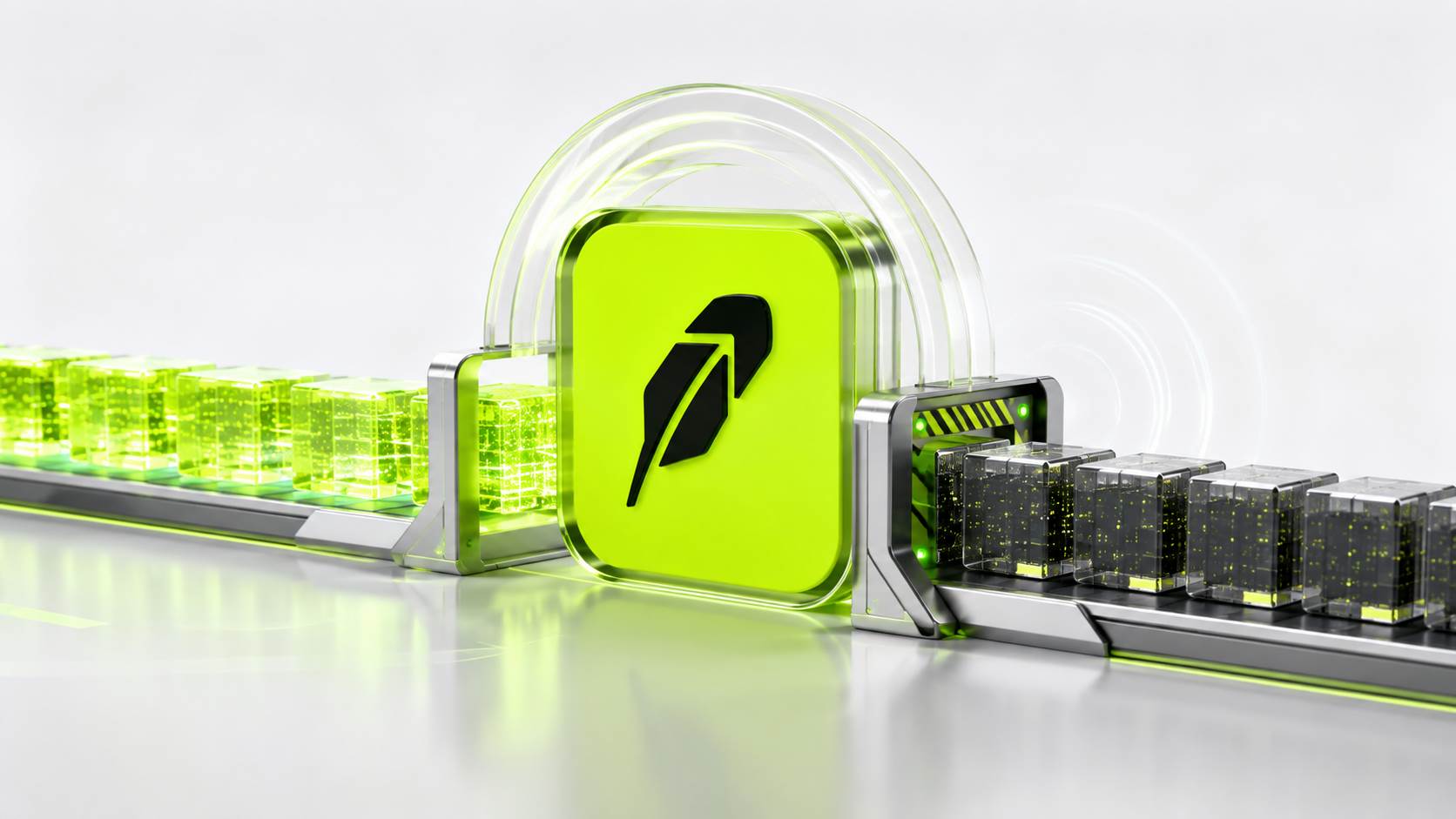
ETH Robinhood Chain briefly stopped issuing blocks due to surge in transaction demand, and has now returned to normal operation.
On September 4, Robinhood Chain briefly stopped generating new blocks, resulting in some transactions being pending. The Ethereum Layer 2 (L2) network, which was only two months old, has since resumed normal operations. The outage was observable through the network's official Blockscout browser, and there was an interval of approximately 09:15 UTC to 09:22 UTC in terms of coordination checks, during which no transaction data was submitted to Ethereum. Currently, block production has resumed and the Robinhood Chain network is in normal operation.
Network resumes after brief pause
During the period of block production stagnation, the chain's ability to process and confirm new transactions was affected. However, wallet balances and assets remain on the chain, and no loopholes, unauthorized funds transfers or funds losses related to this disruption have been found.
Robinhood is responsible for running the network's central sequencer, which receives, sorts and reports transactions, and then publishes the data back to Ethereum. Robinhood Chain uses Arbitrum infrastructure and uses a "first-come, first-served" transaction sequencing mechanism, rather than allowing users to jump in line by paying higher-priority fees. Under this architecture, a sorter failure may temporarily prevent normal packaging of transactions. As of press time, the specific cause of Friday's outage had not been ascertained, and neither Robinhood nor Offchain Labs blamed it on traffic load.
Accelerating trading activity drives surge in demand
The outage occurred during one of the busiest periods for Robinhood Chain since its main online launch in July. The network has processed approximately 11.8 million operations in the past 24 hours, and transaction demand has risen sharply since late August.
Daily Gas consumption climbed from 1.09 trillion units on August 22 to 3.39 trillion units on September 3, and the underlying Gas price also rose from 0.020 gwei to 0.511 gwei. During this period, daily transaction fees surged from approximately $54,700 to $4.5 million. This additional load is mainly generated by transaction infrastructure, including redemption routers, order settlement contracts, and account abstraction activities.
Shortly after its launch, Robinhood Chain experienced a major wave of memecoin trading, with CASHCAT, HOODIE and thousands of small tokens driving the daily trading volume of decentralized exchanges (DEX) to nearly US$900 million. This speculative activity also overwhelmed some components of the application layer early in the summer. Noxa suspended the issuance of new tokens as robots and replica deployments helped create more than 60,000 tokens on Launchpad.
The Internet is back to normal
Robinhood Chain was officially launched to the public on July 1. It is an Arbitrum-based Layer 2 network that initially focused on tokenized stocks, real-world assets (RWAs), lending and other on-chain financial services. However, its open architecture has attracted memoin and automated trading activity far exceeding expectations in the initial institutional financial positioning.
As of September 4, block production has resumed, the network status shows normal operation, and no persistent activity abnormalities have been detected.