Exchange Ranking
 Top Exchanges
 24h Volume Ranking
 Popularity Ranking
 Exchange BTC Balance
 Proof of Reserves
 Decentralized Exchanges
 Funding Rate
 Funding Heatmap
 Liquidation Data
 Max Pain
 Long/Short Ratio
 Whale L/S Ratio
 Binance/Okex/Huobi L/S
 Bitfinex Margin L/S
 ETF Tracker
 Solana ETF
 XRP ETF
 Hong Kong ETF
 Bitcoin Treasuries
 Crypto Reversal
 Ethereum Reserves
 HyperLiquid Wallet Analysis
 Hyperliquid Whale Watch
 Large Transactions
 On-chain Movement
 Bitcoin ROI
 Stablecoin Market Cap
 Options Analysis
 News
News Articles
 Economic Calendar
 Features
 Wallet
 Contract Calculator


 Security
 Collections
 Watchlist
 Following
 SOL
SOL Google urgently fixes a high-risk Chrome vulnerability that has been exploited
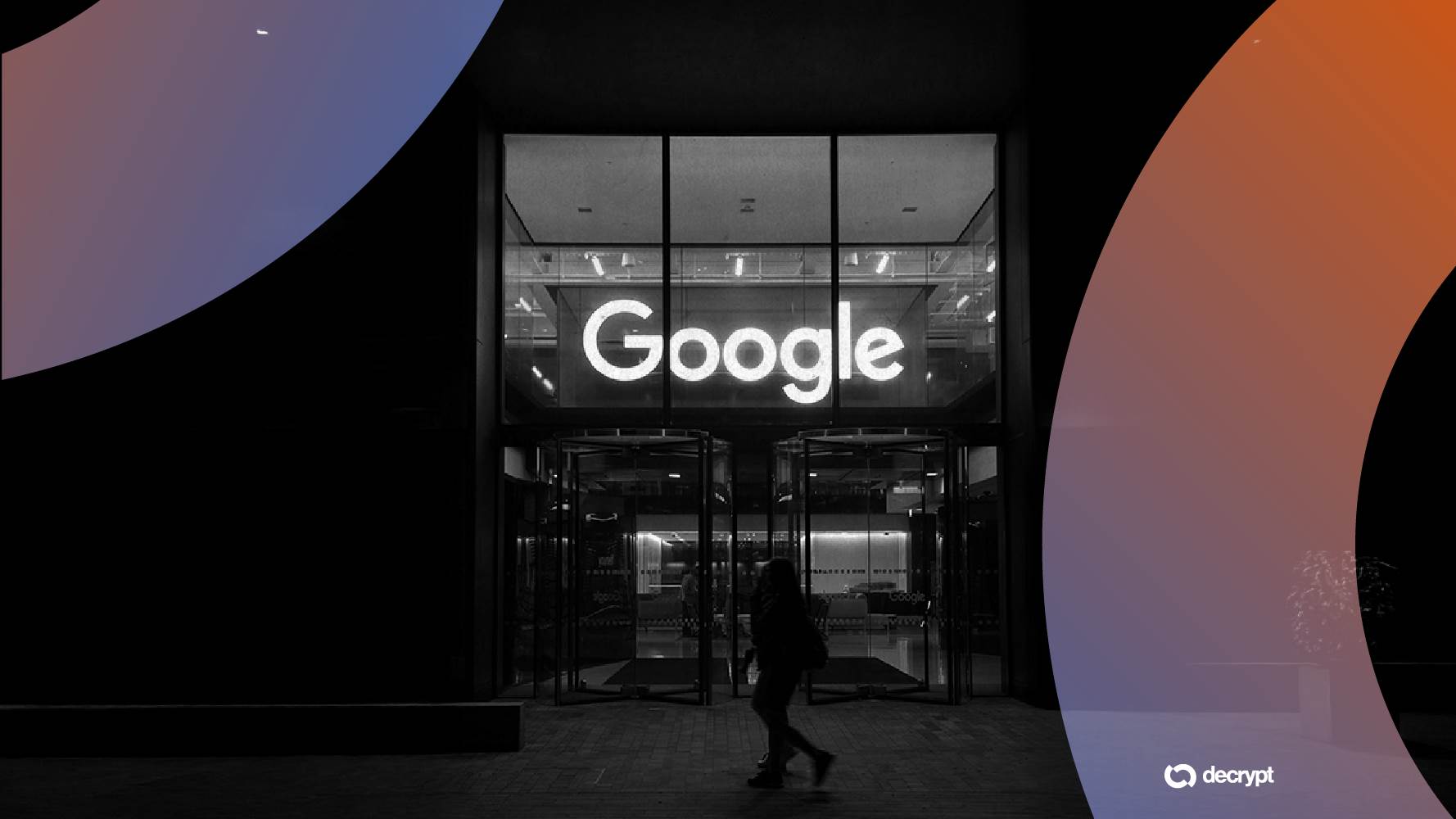
Google urgently fixes a critical security flaw in Chrome after discovering that attackers are actually exploiting the vulnerability. The vulnerability affects the V8 engine, which Chrome uses to run JavaScript and WebAssembly code. As of now, Google has not confirmed the identity of the attacker, the status of the victim and the specific harm of the vulnerability.
Official response and patch details
Google said in a security announcement released on Thursday: "We know that the CVE-2026-85046 vulnerability has been exploited in the wild." At the same time, the company thanked all security researchers who worked with Google during the development cycle to prevent security vulnerabilities from flowing into the stable release channel.
This patch is included in Chrome versions 152.0.7977.82 and 152.0.7977.83 for Windows and Mac, and version 152.0.7977.82 for Linux. Google said updates will be rolled out to users gradually over the next few days to weeks.
Technical details and reward mechanism
CVE-2026-85046 is a Type-Confusion vulnerability. Such flaws typically occur when software mistakenly identifies data as other types, causing memory errors or triggering other unexpected behavior. Currently, Google has not disclosed whether the vulnerability can be used to remotely execute code.
Security researcher Salvatore Gulizia (alias Serotav) reported the vulnerability on August 4 and received a $1,000 vulnerability reward from Google.
Other security updates and industry background
Among the 12 security fixes in this update, Google listed nine high-risk vulnerabilities and two medium-risk vulnerabilities, but some details will not be disclosed for the time being to protect most users and affected third-party projects. Google also did not say when it would release more information about the exploit of the vulnerability.
Although Google has not directly linked CVE-2026-85046 to attacks on cryptocurrency users, browser wallets, exchange accounts, and transaction extensions have previously been targeted through other means:
- In November 2025, researchers discovered that a malicious Chrome extension would secretly add hidden SOL transfer instructions to users 'redemption operations. [TAG A month later, a Singapore entrepreneur said malware disguised as a game stole more than US$14,000 from his browser-connected wallet. He believes the attack involved stolen authentication tokens and an early zero-day vulnerability in Chrome; however, there is currently no evidence of a link to CVE-2026-85046.
- More recently, in August, researchers also discovered dozens of fake Firefox wallet extensions that stole wallet credentials.