Exchange Ranking
 Top Exchanges
 24h Volume Ranking
 Popularity Ranking
 Exchange BTC Balance
 Proof of Reserves
 Decentralized Exchanges
 Funding Rate
 Funding Heatmap
 Liquidation Data
 Max Pain
 Long/Short Ratio
 Whale L/S Ratio
 Binance/Okex/Huobi L/S
 Bitfinex Margin L/S
 ETF Tracker
 Solana ETF
 XRP ETF
 Hong Kong ETF
 Bitcoin Treasuries
 Crypto Reversal
 Ethereum Reserves
 HyperLiquid Wallet Analysis
 Hyperliquid Whale Watch
 Large Transactions
 On-chain Movement
 Bitcoin ROI
 Stablecoin Market Cap
 Options Analysis
 News
 Articles
 Economic Calendar
 Features
 Wallet
 Contract Calculator


 Security
 Collections
 Watchlist
 Following
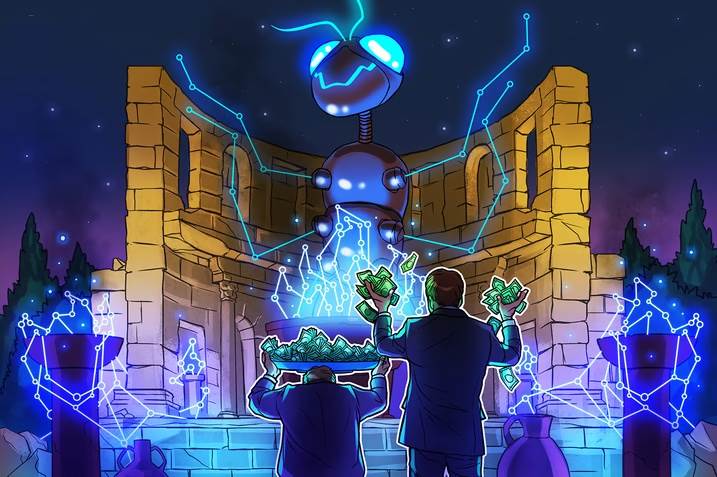
Token Generation Events are often seen as a “ceremony to ignite” a blockchain project. They promise to bring funding and attention to the new ecosystem, allowing the project to take off quickly. But reality often doesn’t quite live up to these expectations. Many Token Generation Events end up failing before they even begin: the ecosystem loses its vitality, user retention becomes problematic, and early supporters continue to withdraw their funds, ultimately leading to a bubble that eventually bursts. So the question arises: Is Token Generation Event really a catalyst for progress in the industry, or is it a hidden trap that leads to problems for blockchain projects? This answer may require us to reexamine it.
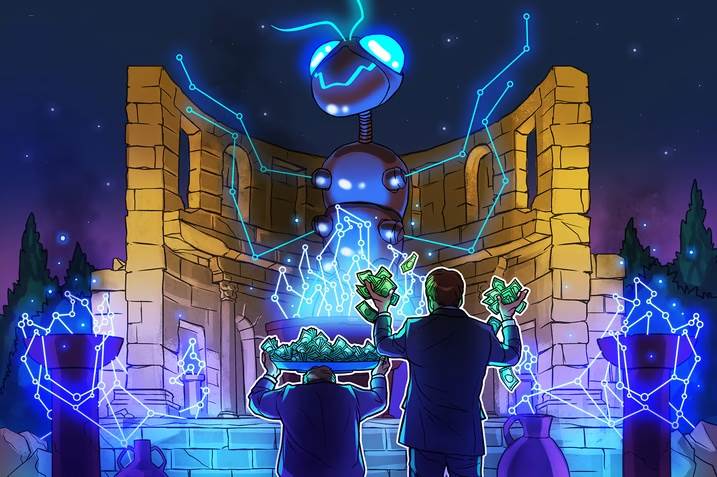
Token Generation Events are increasingly criticized. They are seen as a way for cryptocurrency founders to exit the market, leaving behind blockchains with little real activity.
Projects usually have limited circulation during their initial stages, and their valuations are often too high. This makes it difficult for true supporters to achieve sustainable returns. Industry experts believe that low circulation and automated market makers help maintain prices temporarily, but once selling pressure begins, it tends to overwhelm the market.
Some tokens rise in value due to hype and scarcity during their issuance, but as supply increases, most tokens’ prices decline steadily.
“It’s a never-ending cycle,” said Brian Huang, co-founder of the cryptocurrency management platform Glider, to Cointelegraph. “New blockchain projects become irrelevant, talent leaves, and those who remain are trapped on blockchains maintained by market makers and AMMs.”
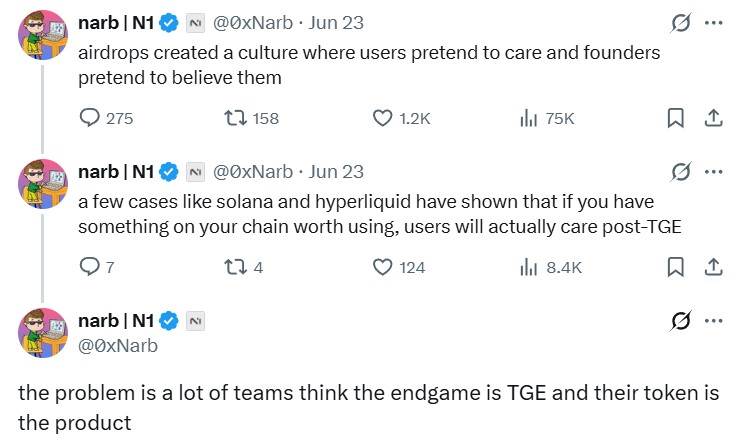
The number of orphaned chains after Token Generation Events continues to increase.
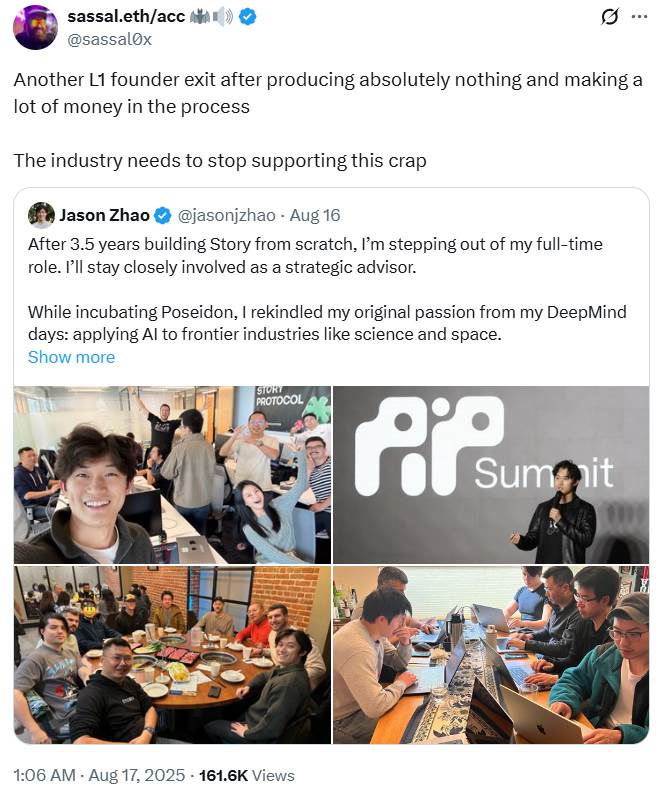
In the past year, several founders have faced strong opposition for leaving the project shortly after the token release. Jason Zhao, the founder of Story Protocol, resigned from his full-time job about six months after the tokens were launched. Early reports suggested that his departure coincided with a six-month tenure cliff, but Story denied this, stating that core contributors would face an annual tenure cliff during their four-year commitment period.
Jensen Huang said, “In reality, token issuance should be seen as the beginning of the project.” He questioned the motives behind such early exits.
Mo Shaikh, the founder of Aptos, also resigned on December 19th, more than two years after the Aptos tokens and mainnet were launched. While his departure wasn’t as sudden as Zhao Changpeng’s, critics pointed out that it occurred shortly after an important milestone in the project’s development.
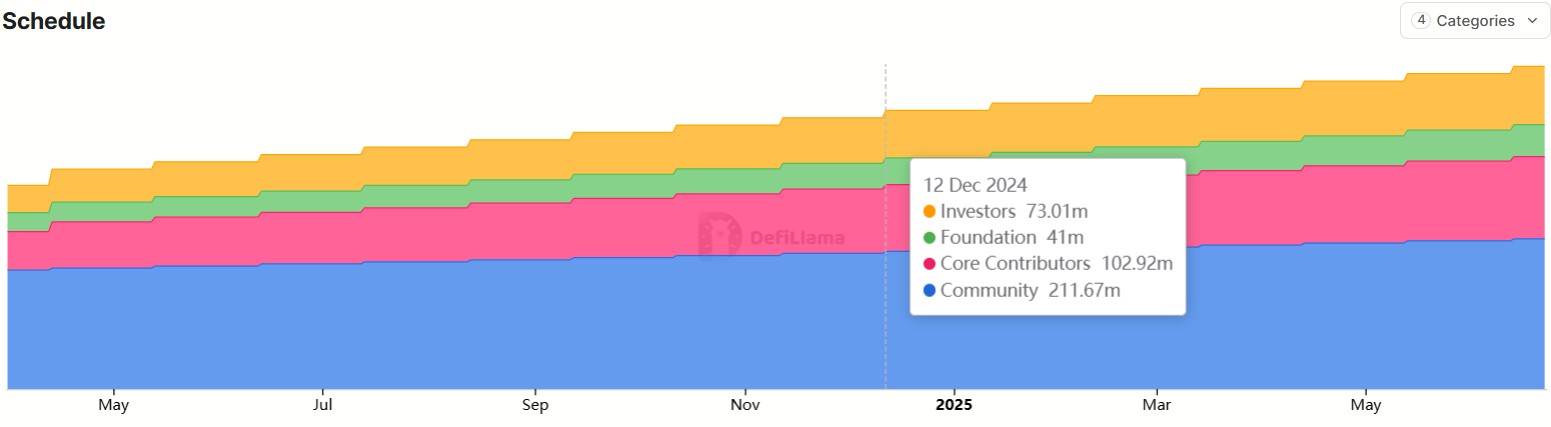
Sterling Campbell, an investor at Blockchain Capital, admitted that some founders viewed token issuance as a way to make money, but he believed the problem was more widespread.
Campbell told Cointelegraph, “There’s also founder fatigue, inconsistent incentive mechanisms, and in some cases, the harsh reality that the product doesn’t match the market needs.”
“This situation can be described not as personal malice, but rather as a system that makes it easier for people to leave the project prematurely.”
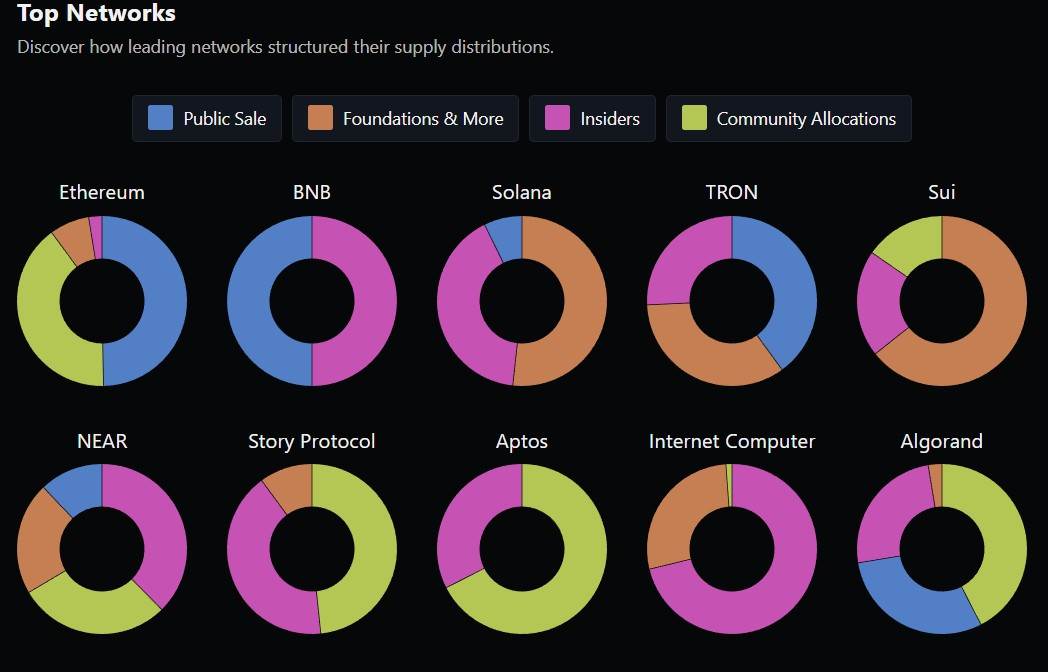
Researchers at Messari reported that the ownership structure of tokens is crucial for their performance. Analysis of 150 major tokens revealed that those with a high proportion of internal personnel were less successful in 2024.
Does the withdrawal of tokens after the TGE indicate that there are too many blockchains?
The wave of token issuance raises a broader question: does this industry really need more blockchains? Blockchains were once a platform for launching ambitious new networks, but now they are criticized as mere goals in themselves. The blockchains they should have supported are gradually fading from sight.
Annabelle Huang, co-founder of Altius Labs (not related by blood to Brian Huang), said in an interview with Cointelegraph that the blockchain industry doesn’t need more general-purpose blockchains like Ethereum or Solana. However, she added that there is still room for building new networks tailored to specific use cases.
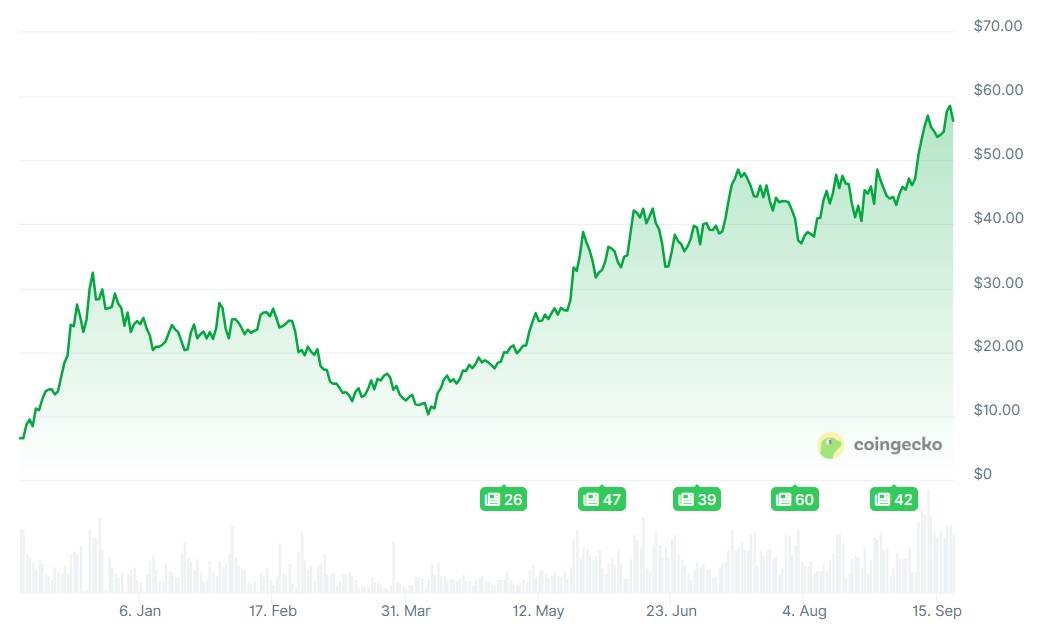
Some projects highlight this shift. For example, Hyperliquid gained attention not by promising to launch a new general-purpose chain, but by creating a derivatives exchange and then integrating it into its own chain. In contrast, many new Layer 1 and Layer 2 projects don’t have any groundbreaking applications to prove their existence during the token issuance phase.
“We see a lot of funding flowing into projects like Hyperliquid and others that have practical uses. Many new L1 and L2 platforms, on the other hand, are still in the early stages,” said Brian Huang from Glider.
新区块链为何持续吸引风险投资尚不明确。Solana 曾以其速度优势超越以太坊为由,证明其上线的合理性,但如今大多数较新的区块链的性能都处于相似水平。因此,投资者可能会倾向于拥有成熟分销渠道的网络。与此同时,随着 Stripe 和 Robinhood 等企业主导的区块链进入市场,竞争也愈演愈烈,这些公司已经拥有庞大的用户群 。
坎贝尔说:“它们加速了分发,并为主流用户规范了加密货币,[但]它们有可能削弱无需许可的网络精神。”
“Robinhood 确实有可能利用我们过去 10 年建立的开源网络,抢走所有人的利益。”
TGE 和归属计划对长期支持者造成压力
当创始人在 TGE 后不久就退出价值数百万美元的项目时,情况尤其令人担忧,即使代币受到旨在错开内部销售的归属时间表的约束。
社区中的一些人指出 ,归属条款是公开的,投资者在购买之前应该了解风险。
归属条款也给许多现代区块链的真正支持者带来了一场艰苦的战斗。币安研究院 2024 年 5 月的一份报告估计,到 2030 年,预计将解锁价值 1550 亿美元的代币。如果没有足够的需求来吸收这些代币,持续释放供应可能会给市场带来持续的抛售压力。
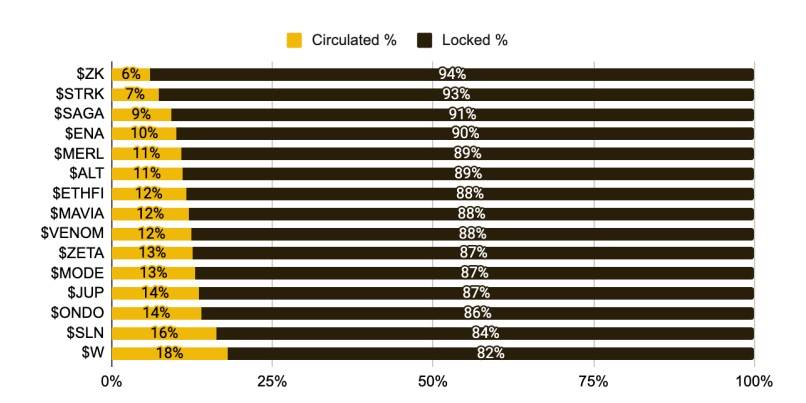
This tense relationship highlights deeper problems inherent in the TGE model itself. TGE was originally designed as a financing mechanism, but it has increasingly become a phenomenon related to liquidity issues. It rewards insiders at the expense of the ecosystem’s founding members.
Unless the project can demonstrate that it will continue to be useful after its launch, the problem of over-estimated valuations, premature exits, and the decline of blockchain technology will likely persist.