Exchange Ranking
 Top Exchanges
 24h Volume Ranking
 Popularity Ranking
 Exchange BTC Balance
 Proof of Reserves
 Decentralized Exchanges
 Funding Rate
 Funding Heatmap
 Liquidation Data
 Max Pain
 Long/Short Ratio
 Whale L/S Ratio
 Binance/Okex/Huobi L/S
 Bitfinex Margin L/S
 ETF Tracker
 Solana ETF
 XRP ETF
 Hong Kong ETF
 Bitcoin Treasuries
 Crypto Reversal
 Ethereum Reserves
 HyperLiquid Wallet Analysis
 Hyperliquid Whale Watch
 Large Transactions
 On-chain Movement
 Bitcoin ROI
 Stablecoin Market Cap
 Options Analysis
 News
 Articles
 Economic Calendar
 Features
 Wallet
 Contract Calculator


 Security
 Collections
 Watchlist
 Following
在Web3赛道,项目能不能跑起来,往往取决于社区能否被点燃。“Go To Market”在这里不只是营销口号,而是把理念转化为行动的第一步:如何找到目标用户、如何激活他们的参与感、又如何让社区从零开始形成自驱力。相比传统市场打法,Web3更强调信任与共建,因此启动阶段的战略思考,就像是为一颗火种准备好氧气和燃料,只有点燃了,才能真正生长成燎原之势。

用户增长是产品的长期目标,其核心就是去建设产品与用户构成的系统,不断进行产品迭代,逐渐获得市场份额,实现用户规模和价值的持续增长。2022年年初到年末,Collectibles、DeFi、GameFi、MarketPlaces等头部dApp活跃地址数都出现不小降幅,而Social&Media则呈快速上涨趋势。下文记录了我对Web3用户增长的思考。
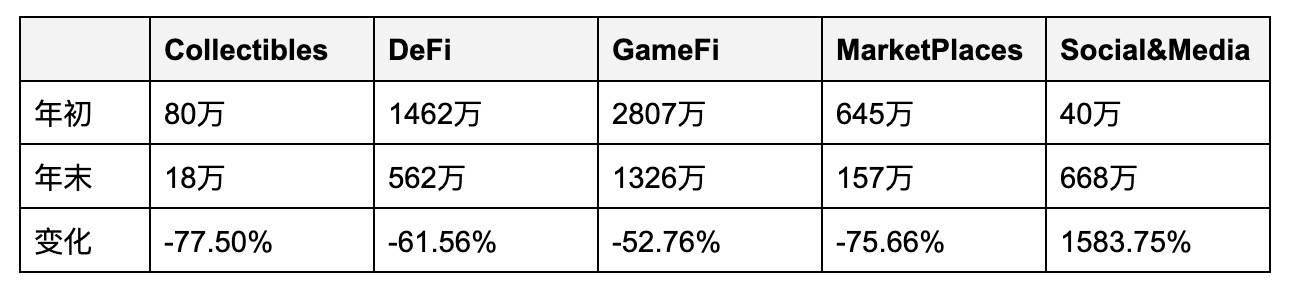
表1: 2022年Web3各种应用活跃地址数变化
Web3用户增长基本思路
The cycle between bull and bear markets in the currency market has a significant impact on user growth. However, entrepreneurs should not be constrained by macroeconomic factors. When it comes to user growth, the first step is to find a “market” that matches the product’s characteristics. This is what we refer to as “M” in the concept of PMF (Product Market Fit). We shouldn’t ambitiously try to satisfy the entire “M” or a large portion of it. Instead, we should focus on identifying an appropriate market segment based on our product’s features and resources. After gaining a foothold in one market, we can then consider expansion into other markets. For Chinese entrepreneurs, abandoning the Chinese-speaking communities and Chinese users, which are areas where they are most proficient, would be a foolish decision. This would mean giving up one-third of the global B2C and C2C users, essentially losing our core base of customers.
At the level of product design and development, the Minimum Viable Product (MVP) is a great concept. It involves launching basic functions of the product, ensuring that it meets the minimum requirements for a functional product in its most critical scenarios. Then, based on market feedback, the product can be improved and enhanced until it becomes a product that best suits the market and users. Developers shouldn’t attempt to create a “complete” product with perfect features. Instead, they should focus on solving one of the users’ biggest problems, simplifying the user experience, and creating an MVP that aligns with the PMF. In this process, developers often have to say “no” to hundreds of potential ideas.
If PMF can be understood as a state of a product when it matches the market demand, then MVP is an effective way to achieve PMF. Promoting an MVP that has achieved PMF to the market is known as GTM (Go To Market). The goal of GTM is to acquire and retain users. The process of acquiring customers typically follows a “funnel model”: from attracting new users at the top of the funnel to converting those users into loyal customers at the bottom of the funnel, with the number of users decreasing over time.
In traditional Web2 projects, GTM involves aspects such as pricing, marketing, and sales. Key metrics include website click-through rates, average revenue per user, and the time it takes for users to close deals. While the Web2 GTM framework provides a well-established approach, Web3 GTM encompasses a richer set of concepts. “Communities” are a unique aspect of Web3 GTM; they serve as sources of traffic for user growth. Web3’s GTM strategies often involve community incentives using tokens, along with referral programs that reward existing users for referring new users. New users may also receive rewards as part of this system.
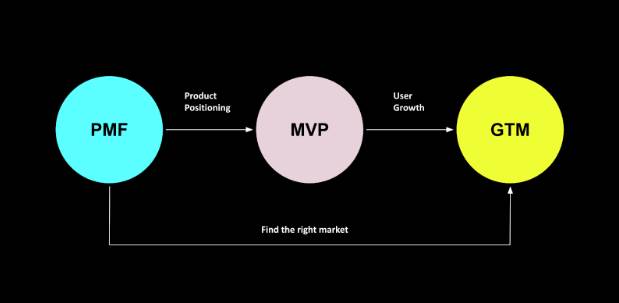
Figure 1: Basic ideas for user growth
PMF (Product Market Fit): Finding the right market and satisfying real needs
When considering Product Market Fit, we need to answer the following questions:
● Why do we need to create this product/function?
● Does the product/function meet the market’s needs?
● Why create this product/function now, rather than later?
CBInsights.com conducted a survey to determine the reasons behind the failure of startup projects. “No market need” was identified as the most common reason, accounting for 42% of cases. This figure surpassed “running out of cash” and “the wrong team.” Since this issue is very important, developers should consider it during the product planning phase. They shouldn’t wait until the product is about to be launched before conducting market research. People often overlook the importance of market research due to their biases and prejudices.
Finding the PMF is a iterative process. By continuously collecting feedback and conducting verifications, the product can become more aligned with the market. During subsequent verifications, feedback can be used to refine certain aspects of the product, thereby improving its compatibility with the market.
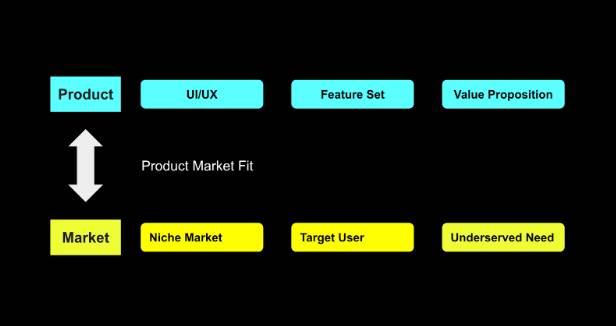
Figure 2: Product-market fit
1. Identify the right target market segment, focus on the target customer group, and identify needs that haven’t been addressed yet.
Finding the right target market and customer segments is crucial. This will determine to what extent the product can meet the needs of these customers. By segmenting a large market, we can identify specific customer groups, thereby creating user profiles and conducting需求分析。Once we have a clear understanding of our target users, the next step is to understand their needs. When trying to create value for customers, it’s important to identify potential market opportunities that align with those needs. If the needs of customers in a certain market have already been well met, then it’s not worth entering that market anymore. Instead, we should look for new markets. On the other hand, if there are still unmet needs in a market, then it’s an opportunity to enter that market.
2. Develop a product strategy, define the value proposition, and highlight the product’s unique features and core competencies.
Customers will inevitably compare their own products with those of competitors at some point in the future. Therefore, customer satisfaction largely depends on the strengths of our product, and these strengths constitute the product’s differentiation. The value proposition involves highlighting the strengths of our product, so that customers can see how it outperforms competitors in meeting their needs. Among the many needs that our product can fulfill, which ones should we focus on? What unique features does our product have that can delight customers? How can our product stand out in the competition? These are the three core questions in product strategy.
3. Select the minimum viable product (MVP) with a set of functional features, and ultimately conduct user need testing.
Once the product strategy and value proposition are clear, it’s time to start selecting the features that should be included in the Minimum Viable Product (MVP). It can be very frustrating when developers spend a lot of time and effort on a project only to discover later that users actually don’t like the product they’ve developed. After several such failures, developers may run out of money. The purpose of creating an MVP is to determine whether the development direction is correct, and then to create enough value in areas that are truly valuable to the target audience. Once the MVP is ready, it should be tested thoroughly with actual users to ensure that the feedback comes from a sufficient number of users in the target market. Otherwise, those user feedback could lead to incorrect iterations of the product. Based on accurate user feedback, assumptions can be adjusted, and the process can be repeated until a product with high market competitiveness is designed.
MVP: Rapid iteration, avoiding unnecessary steps
When considering the Minimum Viable Product, it’s important to think about the following questions:
● What components does the product/function consist of?
● What problems can this solution address?
● What future improvements are planned for this feature?
● What is the value of this product/function?
The so-called MVP refers to creating a usable product that showcases the project’s strengths and innovations, with minimal development costs and shortest development time possible. This product is very simple in design, but it allows for quick validation of ideas. People tend to strive for perfection; they feel that missing certain features would be unacceptable, yet in reality, nothing really happens without those features. If we follow a non-MVP approach, we might spend a lot of time developing additional features or auxiliary functions during the first version’s development. Moreover, subsequent updates will likely involve unnecessary efforts. By adopting the MVP approach, we can focus our attention on more important aspects. The MVP isn’t meant to be the perfect product; its purpose is to be quickly launched into the market to test its feasibility. Through market feedback, we can continuously refine and adjust the product, resulting in one that has both market potential and revenue opportunities. In fact, the MVP doesn’t even need to be a full-fledged product; it can simply be a well-designed prototype that provides users with a clear experience. This way, we avoid the dilemma of spending a lot of money on a product that won’t be successful in the market. Developers should present the MVP to the target user group and gather feedback on their preferences. This helps us determine whether the product is indeed necessary for the chosen market segment and target audience. If our assumptions are correct, we can then quickly increase the product’s visibility in the market, allowing these early users to actually use the product.Hold more internal product meetings to discuss which features are not necessary at this stage. After removing those features, what remains is the MVP. Creating an MVP requires the ability to simplify complexity. We need to define core functions based on fundamental needs, focus on key aspects, and then address any remaining details and auxiliary functions. This ability to simplify complexity also involves keeping up with the pace of business and user development: introducing relevant product features at the right time, without striving for completeness or overkill, but rather ensuring that the decisions made are correct.
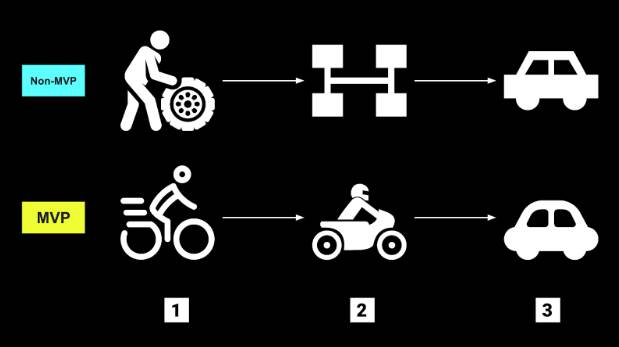
Figure 3: Comparison between Non-MVPs and MVPs
Go To Market: attracting new users while retaining existing ones, managing the community effectively
When it comes to going to market, we need to consider the following questions:
● How should the product interact with users?
● Is it necessary to help users learn how to use the product?
● How often do users use the product?
● Where should the product be released? Locally, domestically, or internationally?
● Which channels should be used for cooperation?
● What limitations exist among cooperation partners?
在Web2中,GTM通常是通过市场营销手段获得用户。在Web3中,GTM通常是通过市场营销手段获得用户并经营一个内涵更加丰富的“社区”。社区不仅包括用户,还包括开发者、投资者以及合作伙伴,他们都是Web3项目的利益相关者。每一个好的Web3项目通常都拥有一个强大的社区。有些项目奉行“社区优先”原则,有些项目的决策由“社区主导”,而有些项目直接让“社区拥有”。只有持续满足用户需求让用户对产品的主观效用最大化,才能拥有一个高参与度、高质量的社区。
传统意义上的GTM就是产品研发出来后,通过广告、产品发布会、渠道培训等把产品推向市场。Web3改变了整个传统Web 2的漏斗。代币奖励为提供了一种解决冷启动问题的替代方案。开发团队并不是将真金白银花在传统营销上来获得早期用户,而是在网络效应尚未明显的阶段使用代币奖励来吸引用户。对用户的早期贡献予以奖励,会吸引更多的新用户,而这些人也同样希望通过他们的贡献获得奖励。从用户忠诚度讲,Web3的早期用户对社区的贡献比传统Web2的BD人员更为重要。
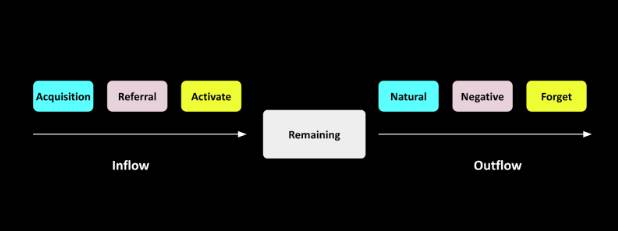
图4: 用户流入与流出要素
1、获取新用户
带有任务交互的空投是一项重要的GTM动议,是指项目方向用户分发代币,用户需要完成某些特定任务才有机会获得代币,有些时候会附带其他条件,比如必须持有特定代币。激励早期用户完成任务交互是常用的项目冷启动手段,能以很低的成本获得首批种子用户。
在Web3任务交互平台上发布任务,引导用户参与产品交互是双赢的操作。对于项目方来说,获得了流量;对于用户来说,既能够获得链上活动证明,还能获得空投Token,并且还能在任务交互过程中积累平台使用经验。常用任务交互平台如下:
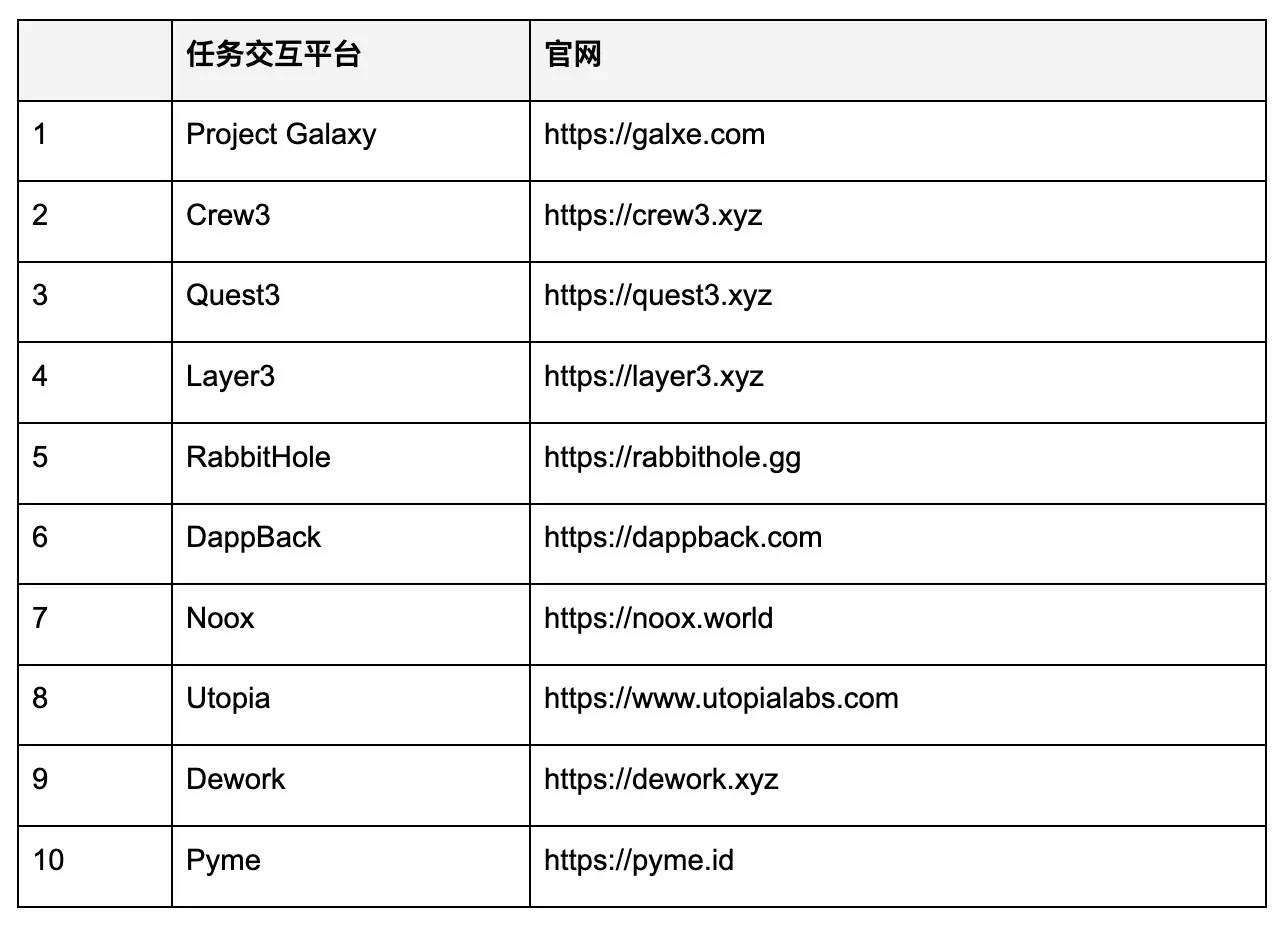
表2: 常用Web3任务交互平台
2、提高活跃度和留存率
虽然代币激励会吸引用户,但仅靠它还不足以增加用户的粘性。自2021年币圈熊市以来,经营项目的一大挑战是“用户来得快,去得也快”。用户不活跃、留不住是当前Web3项目的一大顽疾,项目方应该花更多的精力将初次用户转化成忠实用户,不断优化产品,不停做社区活动,给用户提供更好的体验。在Twitter Space、Discord以及Telegram举行AMA是常用的提高社区活跃度和热度方法。
3、推介与自传播
Self-spreading referrals refer to the process of promoting a product to more new users through existing users. If an existing user likes the product and has a good experience with it, they are likely to share the product with their community or recommend it to their friends. This is the most cost-effective way to acquire new customers. To encourage users to share products, the project team needs to create an incentive mechanism. This can include rewards in the form of tokens, as well as physical gifts, such as clothing, skateboards, snowboards, mugs, etc. Additionally, it’s important to analyze the online behavior of both new and existing users, in order to improve conversion rates and adjust marketing strategies accordingly.
By dividing the advertising costs used to attract new users among rewards for existing users and rewards for new users, the advertising cost can be reduced. In other words, advertising costs = rewards for existing users + rewards for new users. Referral programs significantly reduce the cost of acquiring new customers, making them more efficient compared to traditional methods like keyword advertising or paid media campaigns. Although this isn’t entirely innovative, it can still provide long-term and effective results for projects.
Acquiring new users is crucial for generating traffic, while improving retention rates depends on the value of the product itself. Promoting and self-spreading referrals help to amplify the power of communities. All these steps aim to generate revenue, as only when there are more users will scale-up profitability be possible. According to data from TokenTerminal in 2022, we can sort the profitability of dApps.
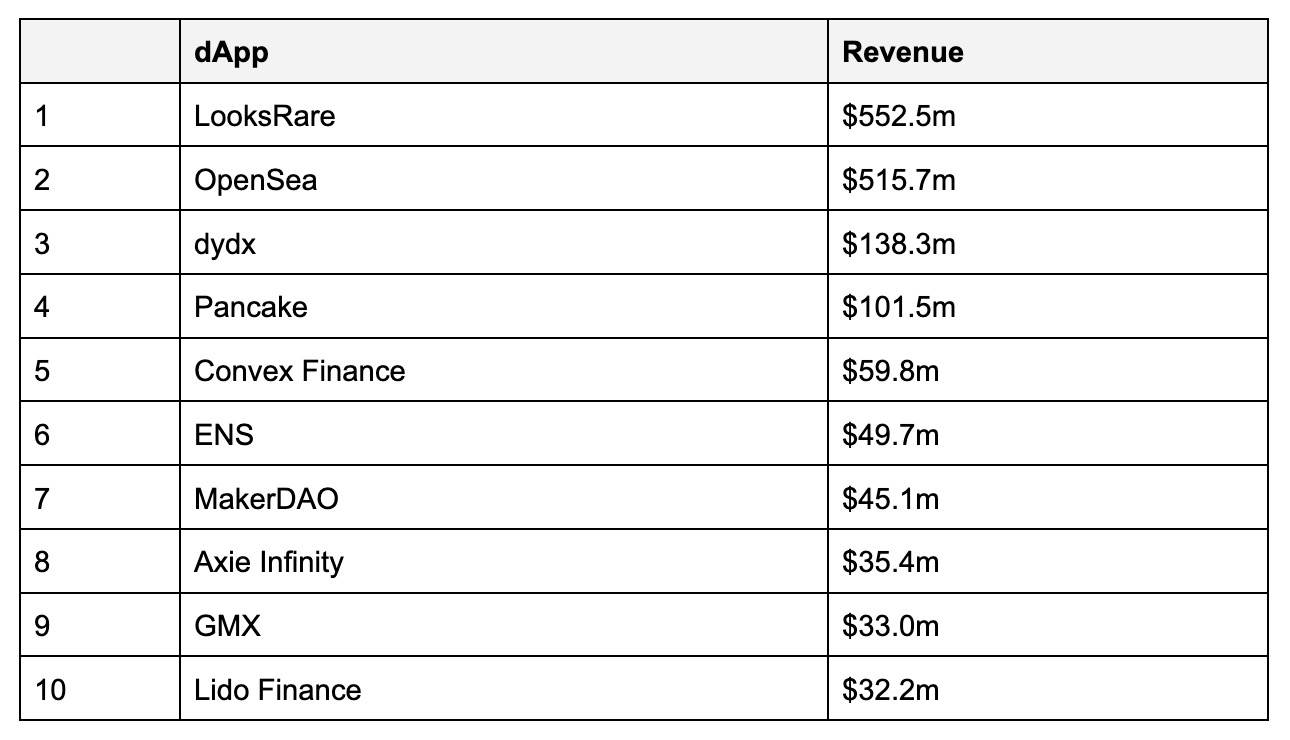
Table 3: Ranking of dApps by revenue in 2022
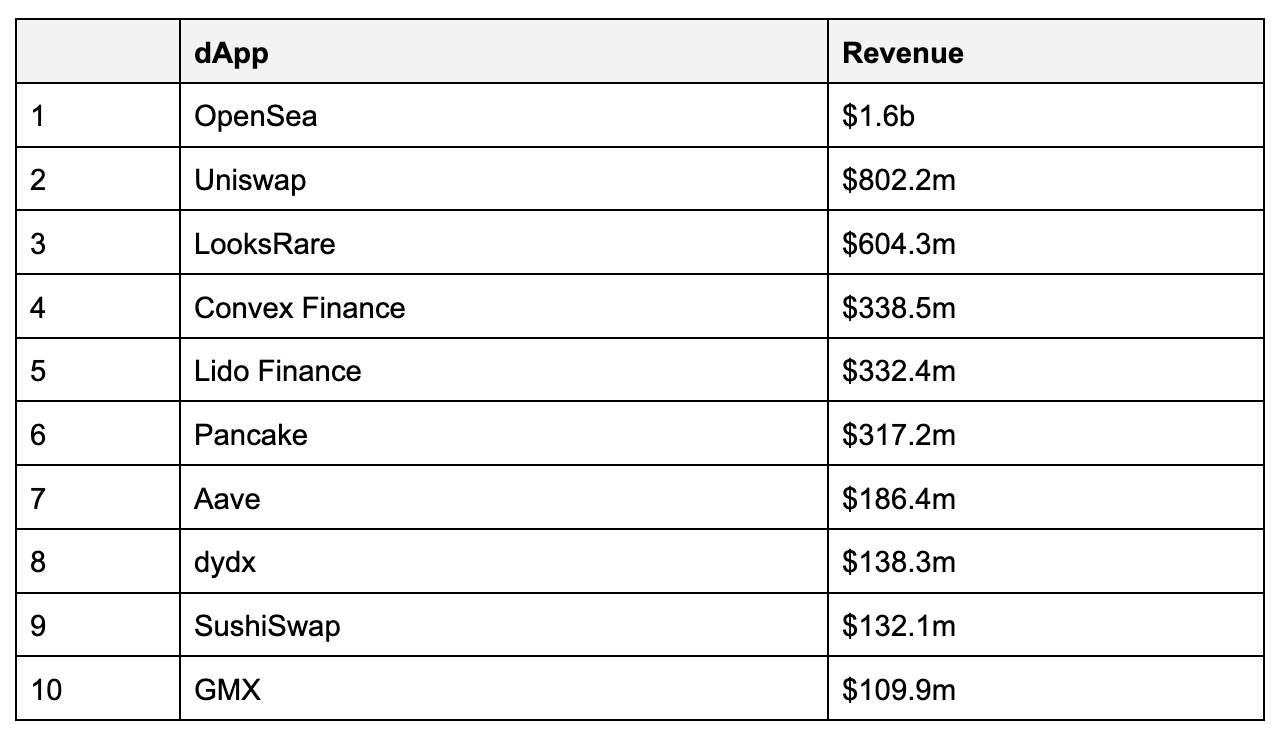
Table 4: Ranking of dApps by fees in 2022
We often see that many Crypto and Web3-related projects experience rapid growth in a short period of time. However, these users quickly abandon the projects, and eventually the projects enter a “death spiral” and fail. In traditional industries, the stock market has less of an impact on entrepreneurs and products. But in the Web3 ecosystem, the cryptocurrency market plays a much more significant role: during bull markets, many projects succeed; during bear markets, over 90% of projects fail. These projects often share one common characteristic: during bear markets, the price of the tokens issued by these projects declines significantly. As a result, the token incentives become ineffective, and in some cases, they even harm the interests of users, leading to a serious loss of users.