Exchange Ranking
 Top Exchanges
 24h Volume Ranking
 Popularity Ranking
 Exchange BTC Balance
 Proof of Reserves
 Decentralized Exchanges
 Funding Rate
 Funding Heatmap
 Liquidation Data
 Max Pain
 Long/Short Ratio
 Whale L/S Ratio
 Binance/Okex/Huobi L/S
 Bitfinex Margin L/S
 ETF Tracker
 Solana ETF
 XRP ETF
 Hong Kong ETF
 Bitcoin Treasuries
 Crypto Reversal
 Ethereum Reserves
 HyperLiquid Wallet Analysis
 Hyperliquid Whale Watch
 Large Transactions
 On-chain Movement
 Bitcoin ROI
 Stablecoin Market Cap
 Options Analysis
 News
 Articles
 Economic Calendar
 Features
 Wallet
 Contract Calculator


 Security
 Collections
 Watchlist
 Following
The value of Bitcoin dropped from $126,000 to $90,000 in just one quarter, a decrease of 28.57%. The market conditions are so terrible that one just wants to close the computer screen as soon as they see the K-line charts. Coinglass’s data also shows that the amount of liquidations during the fourth quarter increased significantly. The market was forced to deleverage, and liquidity became almost depleted. Sentiment was extremely negative, as if we were back in “cold winter mode”.
But interestingly, while everyone is focused on whether to buy at low prices or sell off assets, macro-level factors and policies are slowly improving. The “Innovation Exemption” rules that will be announced by the US SEC are seen as a key step towards easing regulations. The probability of the Federal Reserve starting a cycle of interest rate cuts is increasing, and the maturity of global institutional channels is also rapidly improving. This creates a paradox: it hurts in the short term, but benefits in the long term. So the question arises: where will the funds flow into to truly drive a bull market?
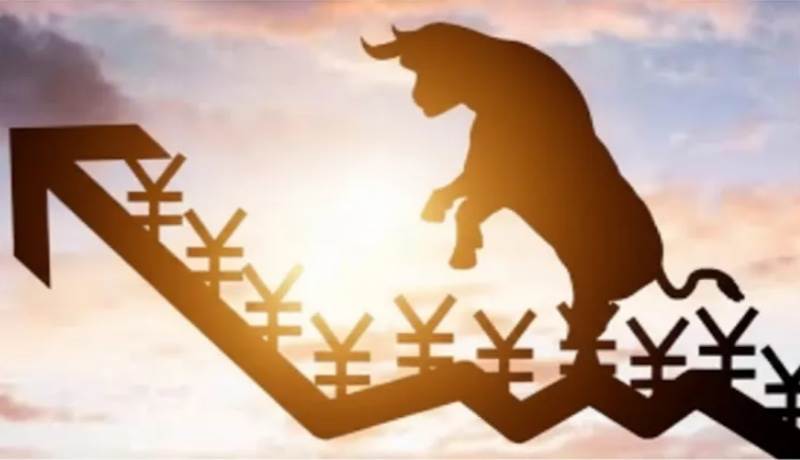
Retail investors don’t have enough money anymore.
Let’s start with a myth that is about to collapse: DAT.
What is DAT? Simply put, it’s a company that buys tokens (Bitcoin or other altcoins) by issuing stocks and bonds, and then makes money through active asset management strategies like pledging and borrowing.
The core of this model is the “capital multiplier”: as long as the company’s stock price remains higher than the net value of its crypto assets, it can continue to increase capital by issuing stocks at high prices and buying tokens at low prices.
It sounds great, but there’s one condition: the stock price must always remain at a premium.
Once the market shifts towards a “risk-averse” stance, especially during periods of significant declines in Bitcoin’s value, this high beta premium will quickly collapse, or even turn into a discount. Once the premium disappears, the stock issuance will dilute shareholder value, and companies’ ability to raise funds will be depleted.
What’s more important is scale.
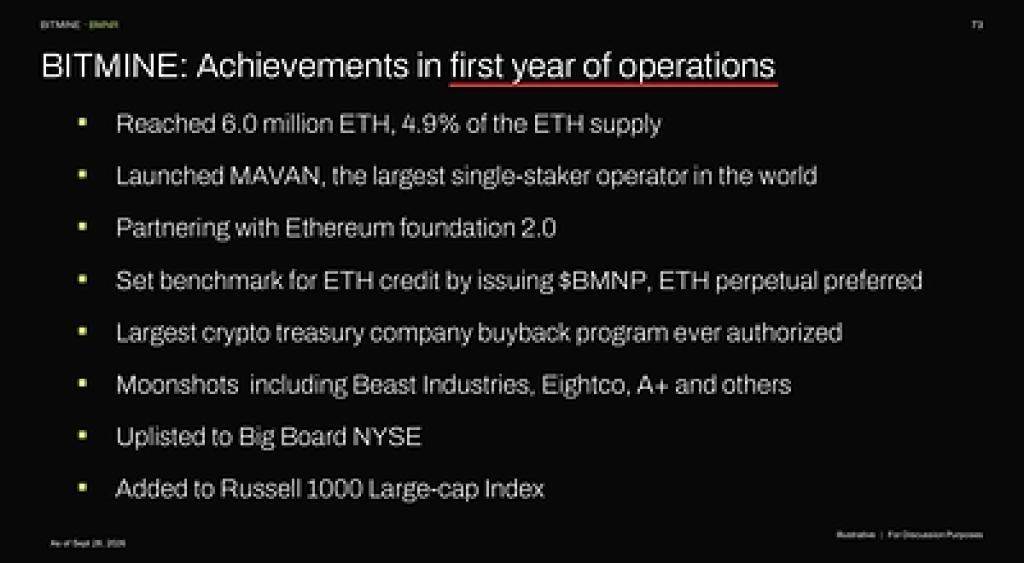
As of September 2025, although more than 200 companies have adopted the DAT strategy, with a total portfolio worth over $115 billion in digital assets, this represents less than 5% of the entire crypto market.
This means that DAT’s purchasing power simply isn’t sufficient to support another bull market.
Even worse, when markets are under pressure, DAT companies may be forced to sell assets to keep operating, which could further exacerbate selling pressures in already weak markets.
The market must find sources of funding that are larger in scale and more stable in structure.
The Federal Reserve and the SEC have started to provide liquidity injections.
Structural liquidity shortages can only be addressed through institutional reforms.
The Federal Reserve: a source of liquidity and stability.
On December 1, 2025, the Federal Reserve’s quantitative tightening policy will end, marking a crucial turning point.
Over the past two years, QT quantitative tightening has continuously drawn liquidity away from global markets. Its end signifies the removal of one major structural constraint.
More importantly, there’s also the issue of interest rate cuts.
On December 9, according to CME’s “Federal Reserve Watch” data, there was a 87.3% probability that the Federal Reserve would cut interest rates by 25 points in December.
Historical data is quite clear: during the pandemic in 2020, the Federal Reserve’s interest rate cuts and quantitative easing measures caused the price of Bitcoin to rise from around $7,000 to around $29,000 by the end of the year. Interest rate cuts reduce borrowing costs and encourage capital to flow into high-risk assets.
Another key figure who deserves attention is Kevin Hassett, a potential candidate for the position of Federal Reserve Chairman.
He holds a favorable stance on crypto assets and supports aggressive interest rate cuts. But more importantly, he has dual strategic value:
First, he acts as a “controller” – directly determining the level of monetary policy and influencing market liquidity costs.
Second, he determines the extent to which the U.S. banking system will be open to the crypto industry.
If a crypto-friendly leader takes office, it could accelerate collaboration between the FDIC and OCC in matters related to digital assets. This is essential for sovereign funds and pension funds to get involved in the crypto industry.
SEC: Regulation shifts from threat to opportunity
SEC Chairman Paul Atkins announced that he plans to introduce an “Innovation Exemption” rule in January 2026.
This exemption aims to simplify compliance procedures and allow crypto companies to launch products more quickly within regulatory sandbox environments. The new framework will update the token classification system, possibly including a “sunset clause” – meaning that a token loses its securities status once it reaches a certain degree of decentralization. This provides developers with clear legal boundaries, attracting talent and capital back to the United States.
More importantly, there is a shift in regulatory attitudes.
In its review for the year 2026, the SEC removed cryptocurrencies from its priority list, focusing instead on issues related to data protection and privacy.
This indicates that the SEC is shifting its approach towards digital assets, no longer viewing them as a “new threat,” but rather integrating them into mainstream regulatory frameworks. This shift away from risk-based approaches eliminates compliance barriers, making it easier for corporate boards and asset management firms to embrace digital assets.
If the money from DAT isn’t enough, then where is the real money? Perhaps the answer lies in three potential pathways.
Pathway one: Tentative entry by institutional investors.
ETFs have become the preferred way for global asset management firms to allocate funds to the crypto sector.
After the US approved spot Bitcoin ETFs in January 2024, Hong Kong also approved ETFs for spot Bitcoin and Ethereum. This global regulatory convergence has made ETFs a standardized channel for international capital to deploy quickly.
But ETFs are just the beginning. What’s more important is the maturity of custody and settlement infrastructure. Institutional investors’ focus has shifted from whether they can invest to how they can invest safely and efficiently.
Global custody providers like Merron Bank in New York already offer services for managing digital assets. Platforms like Anchorage Digital use middleware like BridgePort to provide institutional-level settlement infrastructure. These partnerships allow institutions to allocate assets without needing pre-financing, thereby improving the efficiency of capital utilization.
The most promising areas are pension funds and sovereign wealth funds.
Billionaire investor Bill Miller stated that it is expected that within the next three to five years, financial advisors will begin recommending the allocation of 1% to 3% of their portfolios to Bitcoin. This seems like a small proportion, but for trillions of dollars in institutional assets worldwide, 1% to 3% of the portfolio would mean trillions of dollars flowing into the market.
Indiana has already proposed allowing pension funds to invest in crypto ETFs. Sovereign investors from the UAE have partnered with 3iQ to launch a hedge fund, attracting $100 million in investment, with an annualized return target of 12% to 15%. This institutionalized process ensures that the flow of capital is predictable and long-term, which is quite different from the DAT model.
Pipeline two: RWA, a bridge to trillions of dollars
The tokenization of RWA (Real World Assets) could be the most important driver of liquidity in the future.
What is RWA? It involves converting traditional assets such as bonds, real estate, and artworks into digital tokens on the blockchain.
As of September 2025, the total market value of RWA globally was approximately $30.91 billion. According to Tren Finance reports, by 2030, the market for tokenized RWA could grow by more than 50 times. Most companies expect the market size to reach between $4 trillion and $30 trillion.
This scale far exceeds any existing crypto-native capital pools.
Why is RWA important? It solves the language barrier between traditional finance and DeFi. Tokenized bonds or treasury bills allow both sides to “communicate in the same language”. RWA provides stable, income-generating assets for DeFi, reducing volatility and offering non-crypto-native sources of income for institutional investors.
Protocols like MakerDAO and Ondo Finance have become attractive targets for institutional capital, as they utilize US Treasury bonds as collateral on the blockchain. The integration of RWA has made MakerDAO one of the DeFi protocols with the highest total value of assets (TVL). Hundreds of millions of dollars in US government bonds provide support for DAI. This indicates that traditional finance will actively deploy capital when there are compliant products offering returns backed by tangible assets.
Pipeline three: infrastructure upgrades
Whether the source of capital is institutional funds or RWA, an efficient and cost-effective infrastructure for transaction settlement is essential for widespread adoption.
Layer 2 handles transactions outside of the Ethereum main network, significantly reducing gas fees and shortening confirmation times. Platforms like dYdX offer fast order creation and cancellation capabilities, which are not possible on Layer 1. This scalability is crucial for processing high-frequency institutional capital flows.
Stablecoins play a particularly important role in this context.
According to TRM Labs’ reports, as of August 2025, stablecoin transactions on the blockchain exceeded $4 trillion, representing a 83% increase from previous years, accounting for 30% of all blockchain transactions. By the first half of the year, the total market value of stablecoins reached $166 billion, making them a vital component of cross-border payments. A report by rise shows that over 43% of B2B cross-border payments in Southeast Asia involve stablecoins.
With regulatory bodies such as the Hong Kong Monetary Authority requiring stablecoin issuers to maintain 100% reserves, the status of stablecoins as compliant, highly liquid on-chain cash tools has been strengthened, ensuring that institutions can efficiently transfer and settle funds.
How could money come into existence?
If these three channels can actually be opened up, where will the money come from? Short-term market fluctuations reflect the necessary process of deleveraging, but structural indicators suggest that the crypto market may be at the threshold for a new round of large-scale capital inflows.
In the short term (end of 2025 – first quarter of 2026), policy changes could lead to a rebound in the market.
If the Federal Reserve ends its quantitative tightening efforts and lowers interest rates, and if the SEC’s “innovation exemptions” are implemented in January, the market could experience a policy-driven rebound. This phase will primarily be driven by psychological factors, with clear regulatory signals encouraging risk capital to flow back into the market. However, this wave of capital is highly speculative, with significant volatility, and its sustainability remains uncertain.
In the medium term (2026–2027), institutional funds will gradually enter the market.
As global ETFs and custody infrastructure become more mature, liquidity will likely come from regulated institutional funds. Small amounts of strategic investment from pension funds and sovereign funds could also contribute. Such capital tends to be patient and low-leverage, providing stability to the market, unlike individual investors who often engage in impulsive buying and selling.
In the long term (2027–2030), RWA tokens could bring about structural changes to the market.
Continuous large-scale liquidity may require the tokenization of RWA. RWA would integrate the value, stability, and income streams of traditional assets into the blockchain, potentially pushing DeFi’s TVL to the trillion level. By linking the crypto ecosystem directly to global balance sheets, RWA could ensure long-term structural growth, rather than periodic speculative activities. If this path holds true, the crypto market could truly move from being a fringe phenomenon to becoming mainstream.
Summary
The previous bull market was driven by retail investors and leverage tactics.
If another such cycle occurs, it may rely on institutional mechanisms and infrastructure developments.
The market is shifting from being a marginal force to becoming the dominant force. The question has changed from “whether to invest at all” to “how to invest safely”.
Money won’t come suddenly, but the channels for accessing it are already being established.
In the next three to five years, these channels will gradually become available. By then, the competition in the market will no longer be over who can capture the attention of retail investors, but rather over who can gain the trust of institutions and secure their investment quotas.
This is a transition from speculation to infrastructure development, and it’s also the inevitable path toward the maturation of the cryptocurrency market.