Exchange Ranking
 Top Exchanges
 24h Volume Ranking
 Popularity Ranking
 Exchange BTC Balance
 Proof of Reserves
 Decentralized Exchanges
 Funding Rate
 Funding Heatmap
 Liquidation Data
 Max Pain
 Long/Short Ratio
 Whale L/S Ratio
 Binance/Okex/Huobi L/S
 Bitfinex Margin L/S
 ETF Tracker
 Solana ETF
 XRP ETF
 Hong Kong ETF
 Bitcoin Treasuries
 Crypto Reversal
 Ethereum Reserves
 HyperLiquid Wallet Analysis
 Hyperliquid Whale Watch
 Large Transactions
 On-chain Movement
 Bitcoin ROI
 Stablecoin Market Cap
 Options Analysis
 News
 Articles
 Economic Calendar
 Features
 Wallet
 Contract Calculator


 Security
 Collections
 Watchlist
 Following
 RLUSD
 USD1
 U
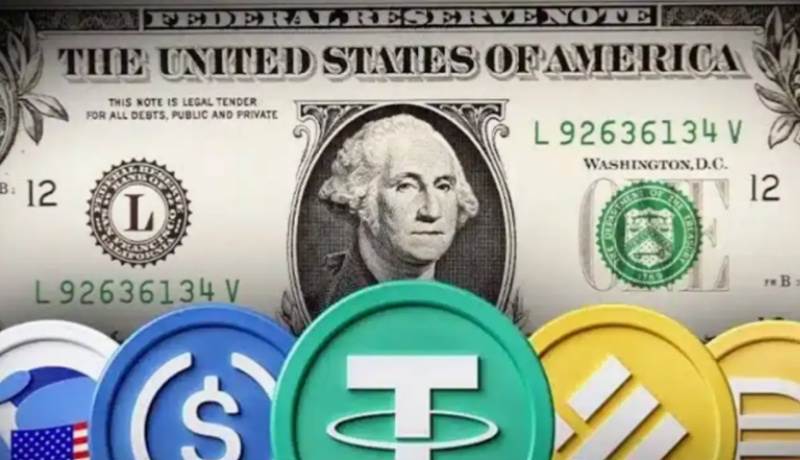
On December 18th, there was something interesting happening in the stablecoin ecosystem. United Stables launched the $U in Dubai, choosing not to use traditional US dollars or US Treasury bonds as collateral. Instead, it used USDC, USDT, and USD1 for combined backing. This structure of “stablecoins stabilizing other stablecoins” immediately gained support from Binance Wallet, the BNB Chain, and other ecosystems like PancakeSwap. Against the backdrop of stricter regulations and increasing concentration of leading stablecoins, this move seems like Binance’s attempt to reshape the stablecoin landscape. The $U may not be the main player, but the transition from a single dominant stablecoin to a competitive environment has officially begun.
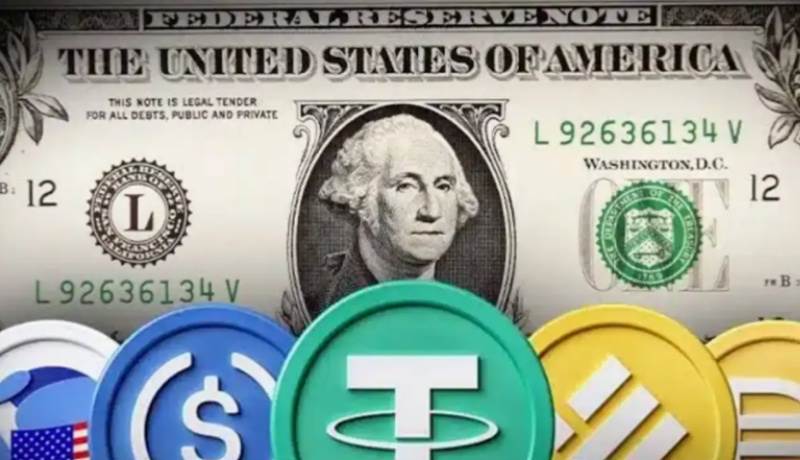
The era of stablecoins 1.0: The monopoly of early adopters.
The essence of stablecoins is “on-chain US dollars”. Users can deposit $1 with the issuer, receive one token, and transfer it between any blockchain worldwide 24/7, with immediate settlement and minimal fees.
Compared to transferring funds through Alipay or banks, stablecoins offer significant advantages—no need for real names, bank accounts, or regulatory approvals. A single wallet address meets all these requirements.
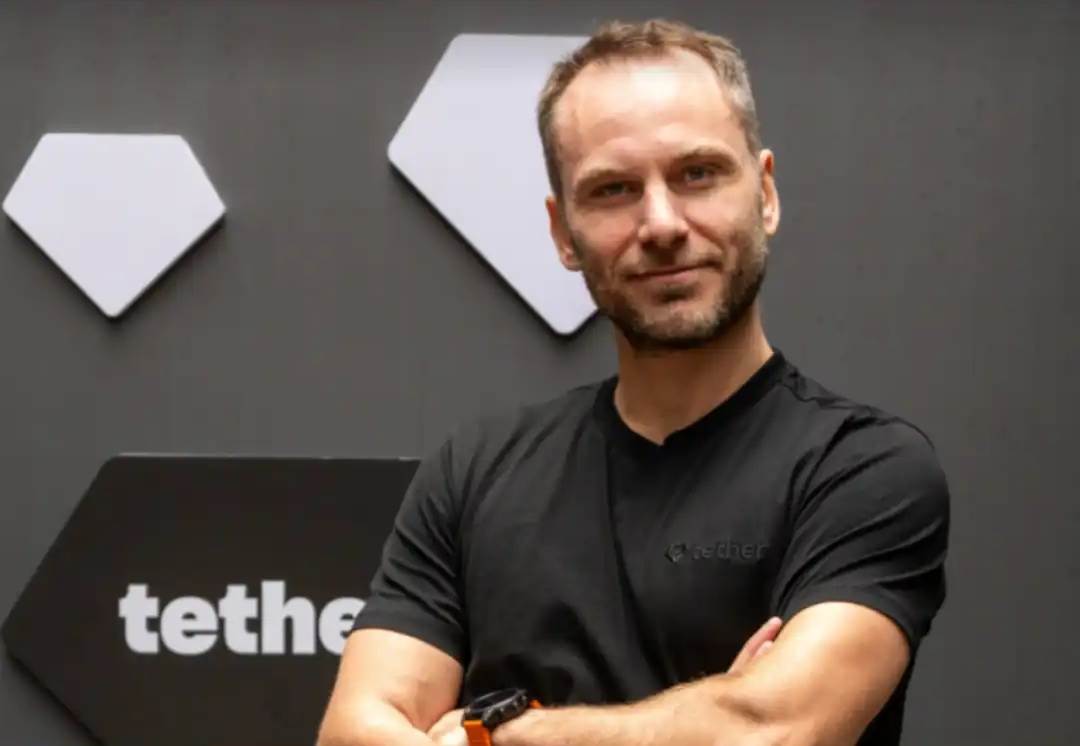
In 2014, when Tether issued USDT, the entire crypto market had a market value of less than $5 billion. So Tether seized an opportunity when traditional banks generally refused to provide services to cryptocurrency companies. If investors wanted to take profits, the only way was to convert their assets into USDT, locking in the dollar-based returns.
USDT的崛起不仅是因为产品优秀,更是因为用户别无选择。这种「被动垄断」一直延续至今,截至2025年12月,USDT市值约1990亿美元,占据稳定币市场60%的份额。
2018年,Circle联合Coinbase推出USDC,主打合规牌:每月发布储备审计报告,资金托管于受监管金融机构,拥抱美国证券监管框架。潜台词是Tether的黑箱模式迟早出问题。
2022年,USDC市值一度逼近USDT的70%。华尔街押注合规派最终会胜出。
2023年3月,硅谷银行倒闭。Circle有33亿美元储备存放其中。USDC短暂脱锚至0.87美元,一个承诺永远等于1美元的资产,跌去了13%。
市场从中得出的教训是:合规是加分项,但不是护城河。银行会倒闭,监管会转向,真正的壁垒是网络效应——当你的用户和流动性足够大,你就是事实上的标准。
稳定币1.0时代的生存法则只有一条:先发优势大于一切。
Binance的三次转身
交易平台是加密世界的流量枢纽,稳定币是交易的计价单位。谁控制了主流稳定币,谁就掌握了定价权。Binance不可能放弃这个位置。
In 2019, Binance collaborated with the licensed trust company Paxos to issue BUSD. This was a compliant stablecoin regulated by the New York Financial Services Department. Its market value reached $16 billion, second only to USDT and USDC. BUSD accounted for 40% of Binance’s trading volume. It served as a key tool for Binance to establish its own “issuance rights”. In February 2023, the SEC issued a Wells Notice to Paxos, accusing BUSD of being an unregistered security. On the same day, the New York Financial Services Department ordered Paxos to stop issuing new BUSD units. Nine months later, Binance founder CZ pleaded guilty in the United States, and Binance had to pay a fine of $4.3 billion. The assets worth $16 billion were nullified under regulatory scrutiny. Binance responded quickly. Shortly after BUSD was suspended, the Hong Kong-based company First Digital launched FDUSD, coinciding with the launch of Hong Kong’s virtual asset licensing system. FDUSD quickly became one of Binance’s main stablecoins, although the two parties never officially confirmed their partnership. From BUSD to FDUSD was a matter of survival; from FDUSD to $U was an act of strategic planning. The design logic behind U differs significantly from the previous ones: it does not compete directly with USDT, USDC, or USD1, but instead incorporates them all into its own reserve pool. In a sense, U is the “stablecoin of stablecoins”, or rather, a “stablecoin ETF”. Binance’s lesson is that stablecoins that rely on a single regulatory framework are always at the mercy of others. The President’s family has joined the game. Among the reserves of $U, USD1 stands out the most.In March 2025, the Trump family issued a USD1 stable coin through World Liberty Financial. According to public information, entities affiliated with the Trump family hold a 60% stake in the parent company and receive 75% of the net income. Trump himself serves as the “Chief Cryptocurrency Advocate,” while his sons, Eric and Donald Jr., act as the “Web3 Ambassadors.” By December 2025, the Trump family had earned over $1 billion from this project. USD1 was used to make the largest cryptocurrency payment in history, providing a substantial backing for this new stable coin. As of December, USD1’s market value is approximately $2.7 billion, making it the seventh most valuable stable coin and one of the fastest-growing ones. Currently, USD1 is also included in the reserves of $. This creates an implicit chain of benefits: transactions within Binance’s ecosystem can be utilized to support USD1 usage, and USD1 usage can contribute to the income of the Trump family. At a deeper level, this represents the monetization of political capital. After Trump returned to the White House, the SEC suspended investigations related to several crypto projects, including those involving Sun Yat-sen, the main investor in World Liberty Financial. Treasury Secretary Baerstock stated at the White House Crypto Summit, “We will use stablecoins to maintain the US dollar as the world’s reserve currency.” Stablecoins are no longer just financial tools; they are becoming vehicles for political resources.套娃的逻辑
用稳定币抵押稳定币,看起来像是多此一举。但这种设计背后有三重考量。
风险分散。USDT的隐患在于储备金不透明;USDC的隐患在于过度依赖美国银行体系,硅谷银行事件已经敲过警钟;USD1的隐患在于与特朗普政治命运深度绑定。单独持有任何一种,都要承担其特定风险。将三者组合,理论上可以实现风险对冲。
流动性聚合。稳定币市场的痛点是流动性碎片化,USDT有USDT的流动性池,USDC有USDC的流动性池,资金分散在数十条公链、数百个DeFi协议中。$U试图将这些孤立的池子连接起来,为用户提供统一的流动性入口。
叙事升级。稳定币1.0的竞争维度是「谁更透明」「谁更合规」,这套话术已经讲了十年。$U试图提供新的叙事框架:「为AI时代设计的结算货币」「支持无Gas签名转账」。
当然,无Gas转账是EIP-3009标准,2020年就存在,USDC早已支持。所以「AI原生」更是万能标签,任何链上稳定币都能被智能合约调用,都能实现机器间自动支付。$U的真正差异化不在技术,而在生态和聚合架构。
当然,套娃结构也意味着风险传导,一层出问题,层层受影响。
如果USDT某天暴雷,$U不会完全归零,但一定会承受冲击:储备金缩水、赎回压力骤增、脱锚风险上升。
所谓「分散风险」,准确地说是「分散单点故障的冲击烈度」,让任何一个底层资产出问题时,持有者不至于血本无归。这是一种保底思维,而非无风险设计。
从灰色地带到大国博弈
2025年是稳定币的监管元年。
6月,Circle在纽交所上市,IPO定价31美元,首日收盘69美元,市值逼近200亿美元,成为「稳定币第一股」。同月,美国参议院以68票赞成通过《GENIUS法案》,首次为稳定币确立联邦监管框架。欧盟MiCA法规全面生效,香港、日本、新加坡相继出台牌照制度。
过去十年,稳定币处于灰色地带,监管机构缺乏介入依据。现在,当年转账量超过全球最大支付网络时,没有政府能继续装作看不见。
数据显示:土耳其34%的成年人持有USDT,用于对冲里拉贬值;尼日利亚近三成侨汇通过稳定币完成;阿根廷的科技从业者普遍使用USDC领取薪资,绕开本币通胀。在这些国家,稳定币已经是事实上的「影子美元」。
The foundation of the US dollar’s dominance isn’t its ability to print money, but rather the habit of global trade being settled in dollars. If stablecoins become the new generation of cross-border payment infrastructure, then controlling them means controlling the US dollar’s dominance in the digital age.
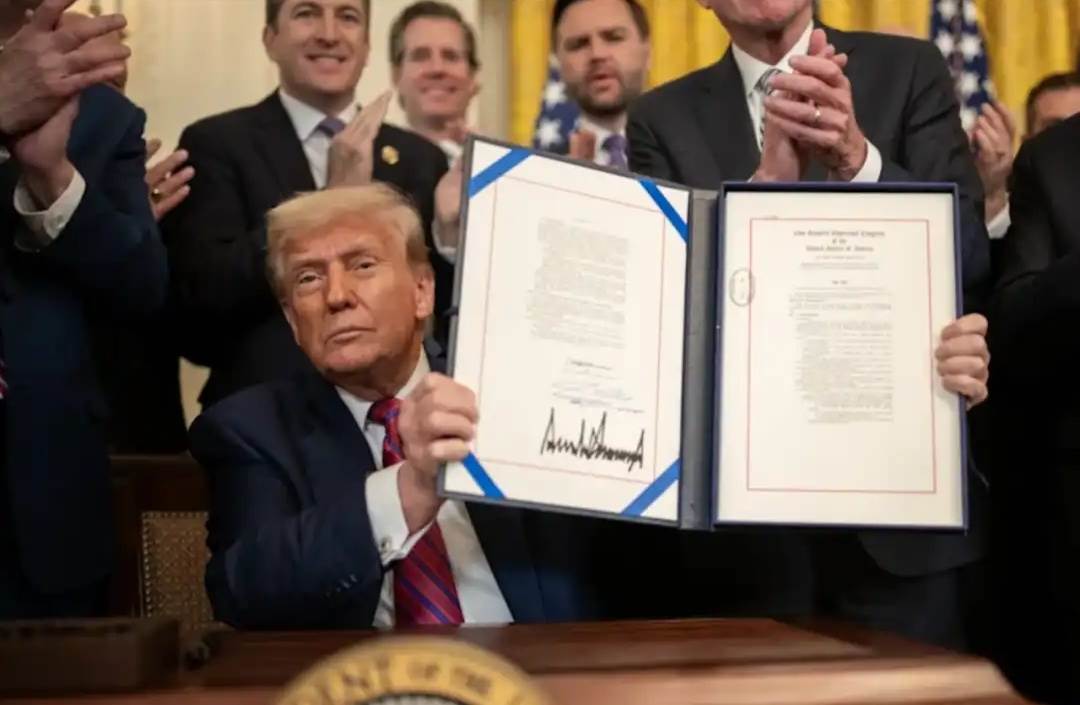
This is the underlying logic behind the Trump family’s involvement in this process. It’s also why the GENIUS Act was able to pass with rare bipartisan consensus: In Washington, stablecoins are no longer a niche topic within the crypto community, but rather a strategic resource that concerns national interests.
The situation is escalating rapidly.
Whether U will succeed remains uncertain. Its current market value is extremely low, and it’s insignificant compared to the size of USDT, which is nearly 200 billion, and USDC, which is nearly 80 billion.
But it represents a new paradigm in the competition among stablecoins.
In the 1.0 era, competition was about individual efforts: Tether established a monopoly due to its early entry, Circle tried to gain market share through compliance issues, and Binance fought for pricing power through BUSD. The core issue was “who would survive.”
In the 2.0 era, competition becomes more strategic. PayPal issued PYUSD, Ripple introduced RLUSD, and Robinhood joined forces with Galaxy Digital and Kraken to form the USDG alliance. Traditional financial giants, crypto enthusiasts, sovereign capitals, and political entities all participated.
The new core question is “who can bring more people together.”
$U的策略是通过「套娃」实现聚合:不与任何一方为敌,把所有人都变成自己的「底层资产」。Binance的意图是构建一个「去中心化的中心化」:用聚合架构分散监管风险,同时保持对核心生态的控制力。
这场百团大战没有终局。监管的天平还在摇摆,技术的边界还在扩展,政治的变数还在累积。
唯一确定的是:稳定币已经从加密货币的配角,变成了全球金融体系的关键基础设施。27万亿美元的年交易量,足以让任何低估它的人付出代价。